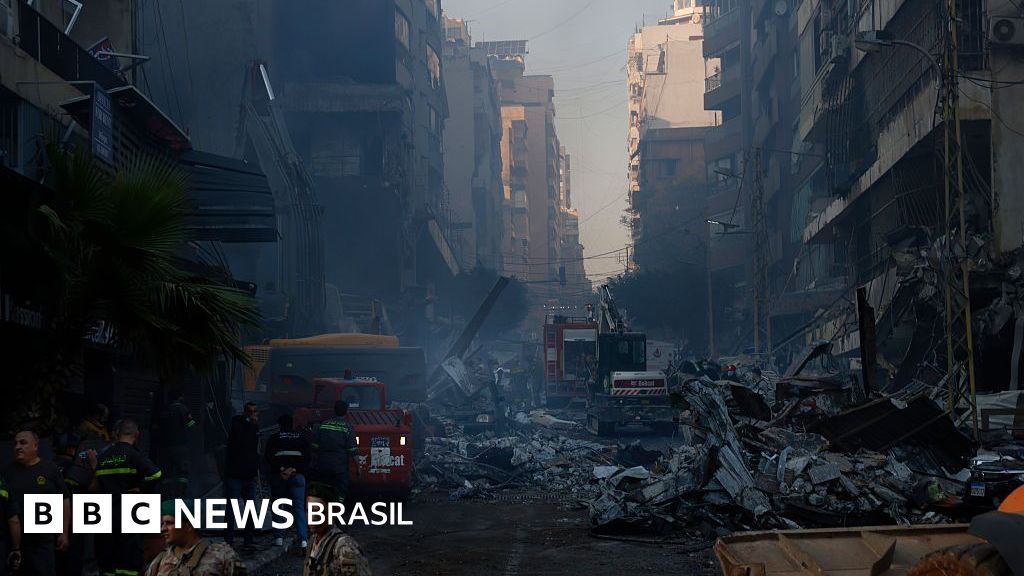
The fragile peace in the Middle East is facing a critical test as Israeli military strikes in Lebanon threaten to derail a tentative ceasefire between the United States and Iran. The escalation comes at a precarious moment, with diplomatic efforts to stabilize the region clashing with active combat operations on the ground.
Tensions surged following reports that Israeli strikes have killed 182 people France 24. This violence has prompted urgent calls for intervention, with French President Emmanuel Macron urging U.S. President Donald Trump and Iranian President Masoud Pezeshkian to ensure that Lebanon is included in any broader ceasefire agreements to prevent a total regional collapse.
The situation is further complicated by aggressive rhetoric from Washington. President Trump has issued a stark warning to Tehran, stating he would destroy all Iranian bridges and power plants within four hours if a deal is not reached France 24. This “maximum pressure” approach coincides with accusations from Iran that the U.S. Has already violated the terms of the current truce.
As the world watches the first days of this tenuous truce, the intersection of the Israel-Lebanon conflict and the U.S.-Iran standoff creates a volatile environment where a single miscalculation could trigger a wider war. The international community now looks toward whether diplomatic channels can outpace military escalation.
The Fragility of the U.S.-Iran Ceasefire
The current truce between the United States and Iran was designed to lower the temperature in a region already simmering with conflict. However, the agreement appears to be under severe strain. Iran has publicly accused the U.S. Of violating the ceasefire, a move that has already sent ripples through global markets, contributing to a rise in oil prices and a dip in New York futures.
The core of the dispute lies in the perceived link between U.S. Policy and Israeli actions. Iranian officials have argued that the U.S. Must decide whether it desires “war or peace,” suggesting that the continued support for or failure to restrain Israeli strikes in Lebanon constitutes a breach of the spirit, if not the letter, of the ceasefire.
Negotiations have been characterized by volatility. Reports indicate that President Trump initially rejected the first proposal submitted by Iran, describing it as something he “threw in the trash,” before eventually accepting a “condensed” version of the proposal to keep negotiations alive. This pattern of abrupt rejection and sudden concession mirrors the broader unpredictability of the current geopolitical climate.
Israeli Strikes in Lebanon and Regional Fallout
While the U.S. And Iran negotiate their own bilateral stability, the conflict between Israel and Hezbollah in Lebanon continues to escalate. The human cost has been significant, with recent strikes resulting in 182 deaths France 24. These attacks are not occurring in a vacuum. they are viewed by Tehran as part of a broader strategy that threatens the stability of the entire “axis of resistance.”
The strategic danger is that Iran may perceive compelled to respond to Israeli actions in Lebanon to maintain its regional influence and credibility. This creates a paradox where a ceasefire between the U.S. And Iran is effectively hostage to the military developments in Lebanon. President Macron’s plea to include Lebanon in the ceasefire framework is an attempt to address this systemic flaw, recognizing that peace in Tehran and Washington is unsustainable if Beirut remains a war zone.
What This Means for Global Stability
The potential collapse of this truce has implications far beyond the borders of the Middle East. The primary concern for the global community is the stability of energy corridors. Any direct conflict between the U.S. And Iran, or a massive escalation in Lebanon, could lead to disruptions in oil shipping and a spike in global energy costs.
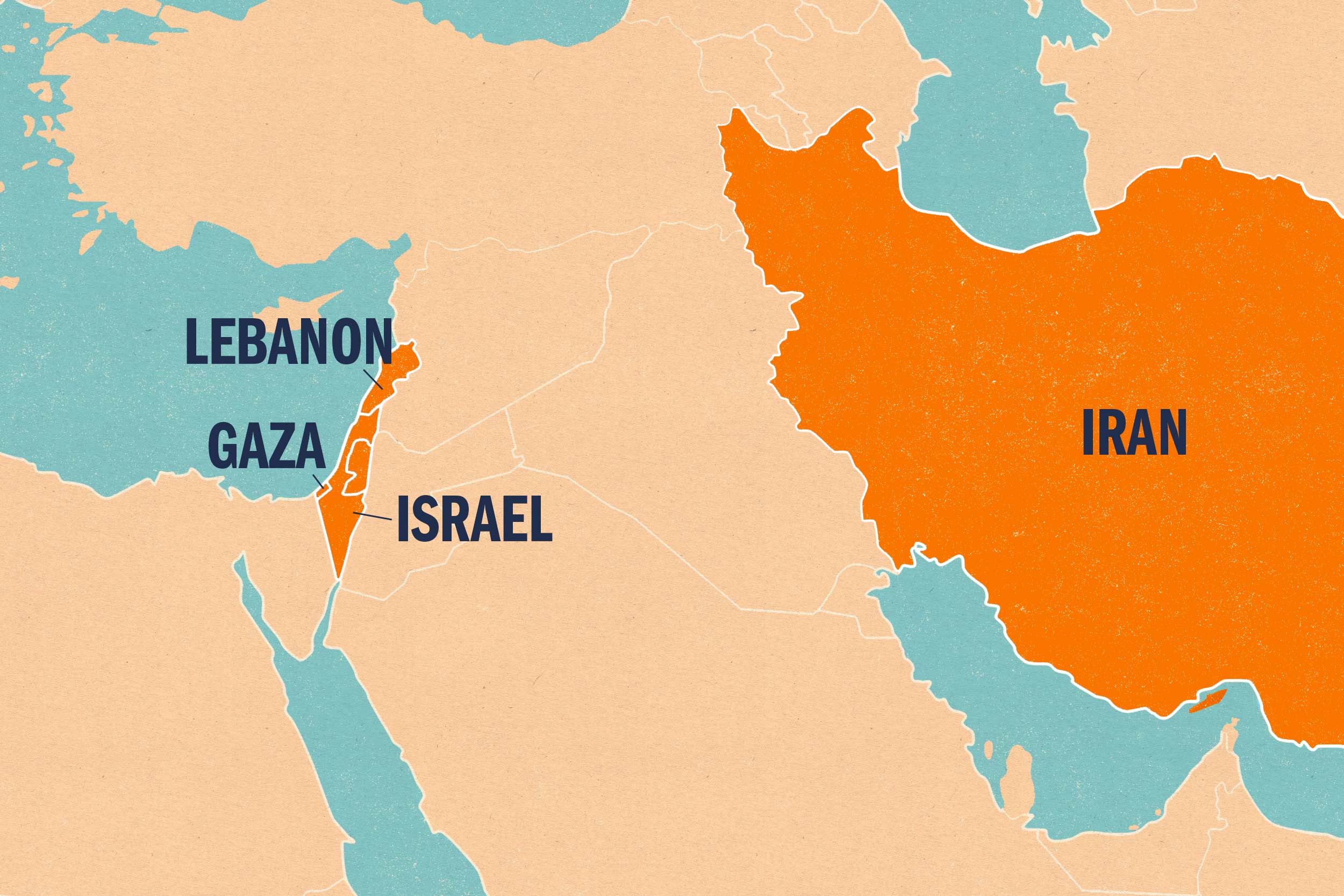
the involvement of multiple global powers—France, the U.S. and the regional players—highlights the complexity of the current crisis. The shift from traditional diplomacy to a style of “ultimatum-based” negotiation, as seen in President Trump’s threat to destroy Iranian infrastructure in four hours, marks a departure from previous diplomatic norms and increases the risk of accidental escalation.
Diplomatic Efforts and Next Steps
Despite the threats, diplomatic movement continues. An Iranian delegation is scheduled to arrive in Islamabad, indicating that Tehran is continuing to engage with regional partners to build a coalition of support or find alternative mediation channels.
The path forward depends on whether the “condensed” version of the deal currently under discussion can be expanded to include security guarantees for Lebanon. Without a comprehensive agreement that addresses the Israeli-Lebanese border, the U.S.-Iran ceasefire remains a superficial layer of peace that could be stripped away by the next round of airstrikes.
Key Stakeholders and Their Positions
- United States: Pursuing a policy of maximum pressure combined with a willingness to negotiate “condensed” deals, while maintaining strong support for Israeli security operations.
- Iran: Accusing the U.S. Of ceasefire violations and demanding a clear choice between peace and war, while managing proxy conflicts in Lebanon.
- France: Acting as a diplomatic mediator, urging the inclusion of Lebanon in ceasefire talks to prevent regional contagion.
- Israel: Continuing military strikes in Lebanon, which it views as essential for its national security, regardless of the U.S.-Iran diplomatic status.
The next critical checkpoint for the region will be the outcome of the Iranian delegation’s visit to Islamabad and any subsequent official responses from the White House regarding the “condensed” proposal. The world remains on edge, waiting to see if the “four-hour” window of destruction is a bluff or a blueprint for a new phase of conflict.
We invite our readers to share their perspectives on this developing crisis in the comments below. Stay tuned to World Today Journal for further updates as this story evolves.
Keep reading
- Boat Engine Catches Fire During Attempt to Cross to UK
- US State Department Plans to Close Multiple Consulates in Canada, Japan, and Indonesia
- Microsoft Links CaptiveCrunch to Russian Threat Actor Midnight Blizzard (newsdirectory3.com)
- Understanding Threat Actors: Anatomy of Cyberattacks & Infrastructure Defense (archynewsy.com)