
The Middle East is facing a precarious escalation as heavy Israeli airstrikes on Lebanon have resulted in hundreds of civilian casualties, prompting a sharp and urgent condemnation from the Arab League. The attacks, which targeted residential and commercial hubs, have sparked fears of a wider regional conflict and a complete collapse of diplomatic efforts to stabilize the area.
Secretary-General of the Arab League Ahmed Aboul Gheit issued a formal statement on Wednesday, April 8, 2026, describing the military operations as “barbaric and unprecedented.” The strikes have hit multiple locations, including the capital city of Beirut and various regions in South Lebanon, causing widespread destruction and a mounting humanitarian crisis via Masrawy.
The scale of the violence has drawn immediate international attention, with officials warning that the targeting of non-military infrastructure represents a dangerous shift in the conflict. As emergency services struggle to manage the influx of wounded, the diplomatic community is grappling with the implications of these strikes on a fragile peace process involving global superpowers.
Arab League Condemns ‘Barbaric’ Assaults
In a strongly worded response, Ahmed Aboul Gheit stated that the Israeli airstrikes on Lebanon constitute a “flagrant violation and a serious breach” of all international laws and conventions. The Secretary-General emphasized that the operations, which have left hundreds of innocent civilians dead and wounded, are designed to undermine the stability of the entire region via Okaz.
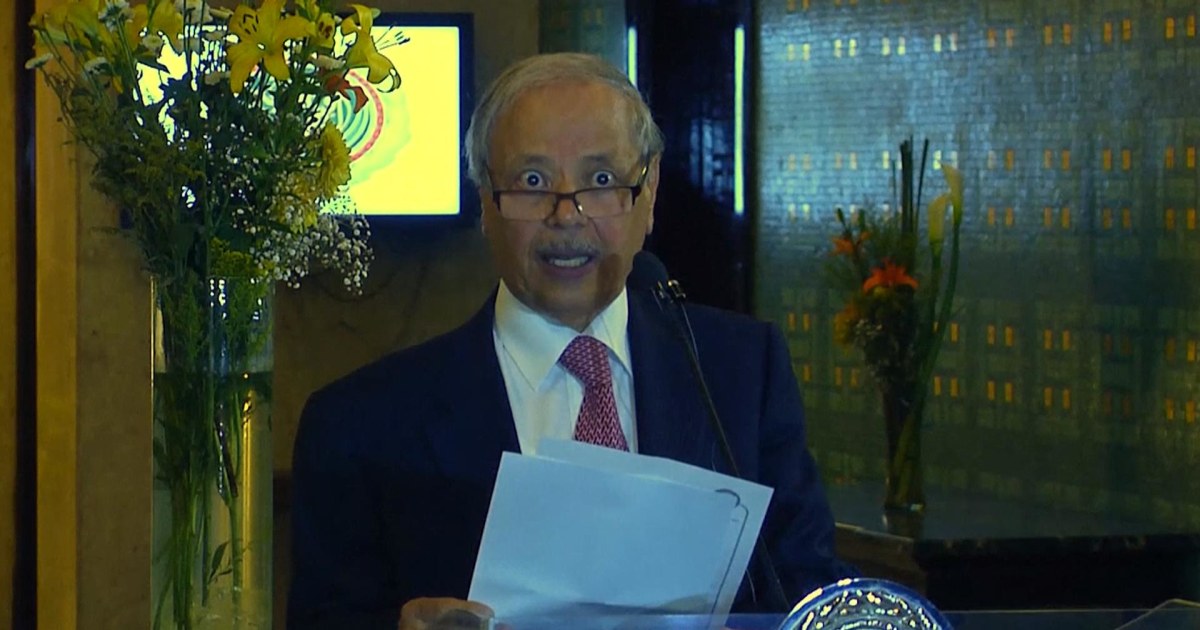
The Arab League’s condemnation centers on the nature of the targets. According to official reports, the airstrikes were not limited to military installations but instead targeted residential and commercial areas, marking one of the most violent waves of aerial bombardment the region has seen in years. This pattern of attack has led the League to accuse Israel of practicing “systematic and blatant” policies aimed at destroying any possibility of regional stability.
Jamal Rushdi, the spokesperson for the Arab League, further noted that although the international community is focused on defusing the threat of war and the people of the region are longing for a sustainable calm, Israel continues to play an “obstructive” role in any potential understandings or peace agreements.
Targeting Civilian Infrastructure in Beirut and the South
The impact of the raids has been felt most acutely in the densely populated neighborhoods of Beirut and the southern border regions. Reports indicate that the strikes have demolished residential buildings, leaving families trapped under rubble and forcing a massive medical mobilization across the capital’s healthcare facilities.
The loss of life is significant, with verified reports confirming that hundreds of civilians have been killed or injured in these “unjustified” attacks via Masrawy. The destruction of commercial districts and housing complexes has not only increased the death toll but has also displaced thousands, exacerbating an already strained humanitarian situation in Lebanon.
International observers suggest that the intensity of the bombardment reflects a strategic escalation. By hitting urban centers, the strikes create immense pressure on the Lebanese government and civilian population, while simultaneously challenging the boundaries of international humanitarian law regarding the protection of civilians during armed conflict.
Geopolitical Stakes: The US-Iran Ceasefire
Beyond the immediate humanitarian toll, the Arab League has raised a critical geopolitical alarm. Ahmed Aboul Gheit explicitly accused Israel of a systematic attempt to sabotage a ceasefire agreement reached between the United States and Iran via Okaz.
The Secretary-General suggested that by maintaining a state of permanent conflict and escalating violence in Lebanon, Israel aims to derail the diplomatic progress made between Washington and Tehran. This allegation underscores the interconnected nature of the conflict, where Lebanese soil becomes a flashpoint for larger power struggles involving regional proxies and global superpowers.
The Arab League is now calling upon the international community to exert immediate and decisive pressure on Israel to halt its attacks. This call aligns with a previous declaration issued by the League’s council on March 29, 2026, which urged active global powers to ensure the immediate cessation of hostilities and the application of international mandates to protect Lebanese sovereignty via Al-Sharq.
Key Takeaways of the Escalation
- Casualty Toll: Hundreds of innocent civilians have been killed and wounded in airstrikes targeting Beirut and South Lebanon.
- Diplomatic Outcry: The Arab League has labeled the attacks as “barbaric” and a “flagrant violation” of international law.
- Strategic Sabotage: Allegations have emerged that the strikes are intended to undermine a US-Iran ceasefire agreement.
- International Demand: There is an urgent call for global powers to pressure Israel to stop the attacks immediately, following a League declaration from March 29.
As of April 9, 2026, the situation remains volatile. The next critical checkpoint will be the response from the United States and Iran regarding the alleged sabotage of their ceasefire agreement and whether the international community will move beyond condemnation to implement concrete measures to stop the airstrikes.
World Today Journal will continue to monitor this developing story. We invite our readers to share their perspectives in the comments below and share this report to keep the global community informed.