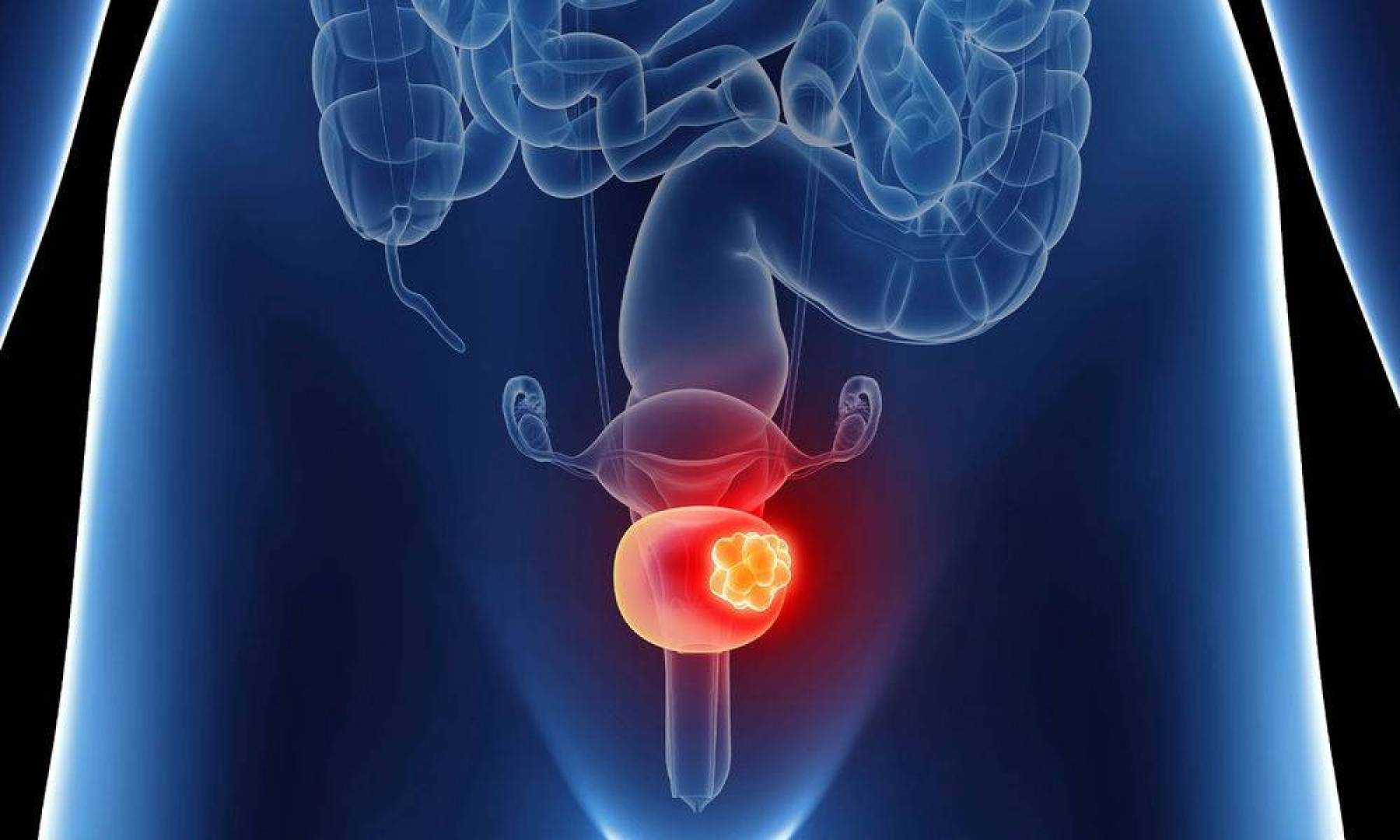
For years, the gold standard for diagnosing bladder cancer has involved invasive procedures that can be uncomfortable and stressful for patients. However, medical innovation is moving toward a less intrusive future. Research is currently underway to refine a urine test for bladder cancer that could fundamentally change how the disease is detected and monitored.
As a physician and health journalist, I have seen how the anxiety of diagnostic waiting and the physical toll of invasive screenings impact patient recovery. The development of a non-invasive liquid biopsy—essentially a test that looks for cancer markers in a urine sample—represents a significant shift in urological care. By identifying cellular abnormalities or genetic markers without the necessitate for immediate surgery, clinicians may be able to streamline the path from first symptom to targeted treatment.
According to Cancer Research UK, these types of urine tests are being developed to provide a more accurate and simpler way to screen for the disease. The goal is to move away from the reliance on cystoscopy—where a camera is inserted into the bladder—as the sole primary diagnostic tool, particularly for those at high risk or those requiring frequent surveillance.
The Shift Toward Non-Invasive Diagnostics
Bladder cancer is known for its high rate of recurrence, meaning patients often require lifelong monitoring. Traditionally, this involves repeated cystoscopies, which can be invasive and require anesthesia in some cases. The introduction of a sophisticated urine test for bladder cancer aims to reduce this burden by detecting “shed” cancer cells or specific biomarkers in the urine that signal the presence of a tumor.
The core value of this innovation lies in its potential for “precision medicine.” Rather than a one-size-fits-all approach, a high-accuracy urine test can aid doctors determine which patients truly need an invasive biopsy and which can be safely monitored via liquid biopsy. This prevents unnecessary procedures and allows for earlier intervention when the cancer is most treatable.
Why Urine-Based Screening Matters
The bladder is an ideal site for liquid biopsy because the organ naturally filters waste and sheds cells directly into the urine. When malignant cells are present, they leave behind a chemical and genetic trail. By analyzing these markers, researchers are working to create a test that is not only sensitive enough to locate small tumors but specific enough to avoid “false positives” that lead to unnecessary alarm.
For patients, the impact is immediate: a simple sample collection replaces a clinical procedure. For the healthcare system, it means a potential reduction in the costs associated with operating rooms and sedation, while increasing the throughput of screening programs.
Current Status and Research Directions
while the potential is immense, these tests are often in various stages of development and clinical validation. Cancer Research UK continues to track the latest developments in this field to determine how these tests can be best integrated into standard clinical practice.

The research focuses on several key areas:
- Sensitivity: Ensuring the test can detect cancer even when tumors are particularly small.
- Specificity: Ensuring the test does not mistake inflammation or infection for malignancy.
- Monitoring: Using the test to detect recurrence faster than a human eye can see a tumor during a cystoscopy.
What This Means for Patient Care
If these tests become the standard of care, the diagnostic journey will be significantly shortened. Instead of a cycle of “wait and see” or “invasive check,” patients may move toward a model of “screen and treat.” This is particularly vital for elderly patients or those with comorbidities who may struggle with the physical demands of traditional bladder examinations.
Key Takeaways for Patients and Caregivers
- Less Invasive: The primary goal of the new urine tests is to reduce the need for frequent, invasive cystoscopies.
- Early Detection: These tests aim to identify bladder cancer markers earlier, potentially improving long-term survival rates.
- Ongoing Development: While promising, these tests are being refined through clinical research to ensure maximum accuracy.
- Complementary Tool: These tests are intended to work alongside, not necessarily replace, the expertise of urologists and pathologists.
As these diagnostic tools evolve, the next phase of development will likely involve larger clinical trials to prove their efficacy across diverse populations. We expect further updates as more data is released regarding the sensitivity and specificity of these tests in real-world clinical settings.
Do you or a loved one have experience with bladder cancer screening? We invite you to share your thoughts and questions in the comments below to help us bring more targeted health information to our global community.
Keep reading