Relations between the United States and the North Atlantic Treaty Organization have reached a critical juncture following a high-stakes meeting between President Donald Trump and NATO Secretary General Mark Rutte. The encounter, which took place on Wednesday, April 8, 2026, at the White House, was intended to stabilize the alliance, but instead ended with the U.S. Leader renewing his sharp criticisms of the 32-member military bloc.
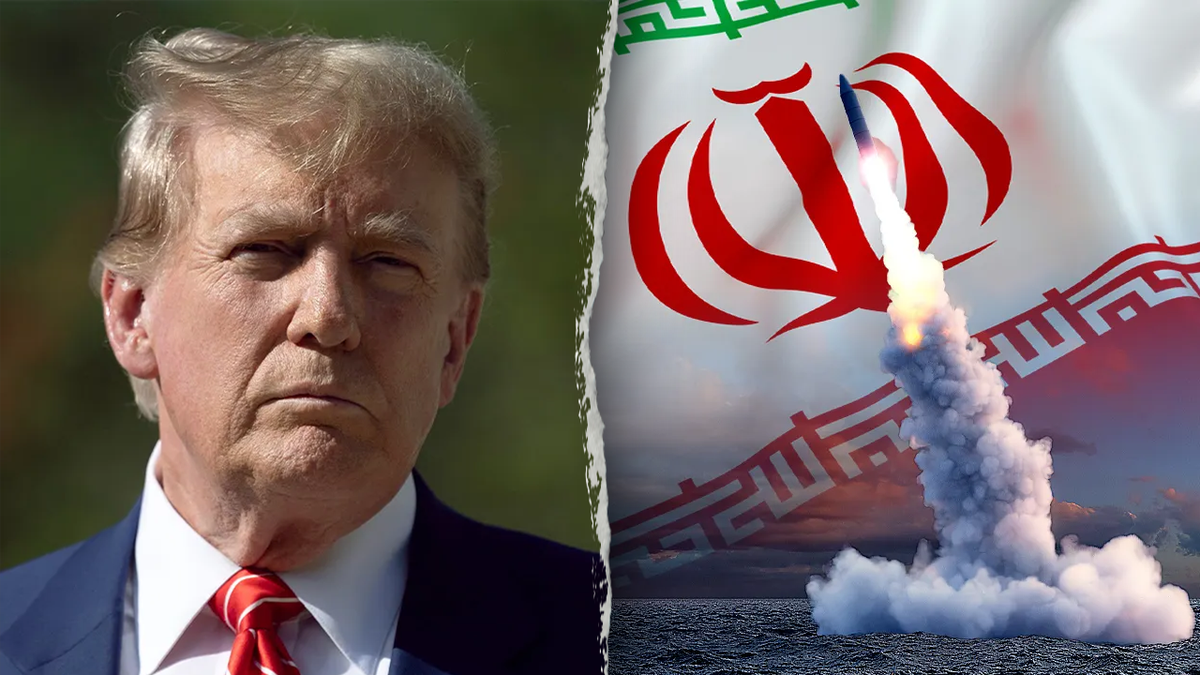
The tension centers on the US leader turns on NATO over Iran, with President Trump alleging that the alliance failed to support the United States during the Iran war. Following the private talks, Trump took to Truth Social to express his frustration, stating, “NATO WASN’T THERE WHEN WE NEEDED THEM, AND THEY WON’T BE THERE IF WE NEED THEM AGAIN.”
Secretary General Mark Rutte, who has been viewed by some as a potential “whisperer” capable of managing the volatile relationship with the U.S. President, described the meeting to CNN as “very frank” and “very open.” Despite the diplomatic phrasing, the meeting highlighted deep-seated disagreements over the alliance’s role in current global conflicts and the perceived lack of support for American efforts.
The stakes for the alliance are exceptionally high. Ahead of the Wednesday talks, Trump had considered quitting the trans-Atlantic military alliance after several NATO countries resisted his demands to assist reopen the Strait of Hormuz, a move he argued was necessary to ease rising global oil prices BBC News.
The ‘Operation Epic Fury’ Grievance and the Iran Conflict
At the heart of the current friction is President Trump’s belief that member countries did not provide sufficient assistance before and during Operation Epic Fury. This sense of betrayal has fueled his recent threats to withdraw the United States from the alliance entirely. The U.S. Administration’s frustration is not merely rhetorical. it is tied to specific strategic failures in the ongoing conflict with Iran.
White House Press Secretary Karoline Leavitt underscored the president’s position during a briefing on Wednesday, April 8, 2026. Quoting the president directly, Leavitt stated that NATO was “tested and they failed.” She further asserted that NATO countries had “turned their backs on the American people,” who provide the primary funding for the defense of those very nations BBC News.
The disagreement over the Strait of Hormuz serves as a primary example of the strategic divide. Trump’s push to reopen the waterway to stabilize oil prices met with resistance from several allies, leading to the current atmosphere of distrust. For the U.S. Leader, this resistance is a continuation of a pattern where the alliance fails to act when American interests are most at risk.
Rutte’s Diplomatic Challenge: Managing the ‘Frank’ Conversations
Mark Rutte’s tenure as Secretary General has been defined by the attempt to cajole and convince President Trump that remaining in NATO is in the best interest of both the United States and the alliance. The Wednesday meeting lasted over two hours, although the specific duration of the one-on-one time with Trump remains undisclosed BBC News.
The diplomatic effort is complicated by the president’s history with the alliance. Records show that Trump and Rutte had previously met in Davos, Switzerland, in January 2026, and in the Oval Office on October 22, 2025 AP News. Despite these repeated attempts at engagement, the fundamental grievances regarding the Iran war and the lack of “fair share” support persist.
Rutte’s strategy has involved maintaining an open line of communication, even when faced with public attacks. However, the “very frank” nature of the April 8 meeting suggests that the gap between the U.S. Administration’s expectations and the alliance’s capabilities—or willingness—remains wide. The Secretary General continues to face the daunting task of preventing a U.S. Exit from the 32-member bloc while the president remains convinced that the alliance has failed the American people.
Key Points of Contention
- The Iran War: Trump claims NATO failed to provide necessary support during the conflict and Operation Epic Fury.
- Strait of Hormuz: Resistance from NATO members to help reopen the strait to lower oil prices led to Trump toyed with the idea of quitting.
- Financial Burden: The White House maintains that the U.S. Disproportionately funds the defense of nations that then “turn their backs” on American needs.
- Strategic Alignment: A fundamental disagreement on whether NATO’s current mandate aligns with the U.S. Administration’s priorities in the Middle East.
What This Means for the Trans-Atlantic Alliance
The potential withdrawal of the United States would represent an existential crisis for NATO. As the primary provider of military hardware, intelligence, and funding, the U.S. Is the bedrock of the alliance’s collective defense mechanism. If the U.S. Were to depart, the 31 other member states would be forced to radically accelerate their own defense spending and rethink their security architecture.
The current situation places Mark Rutte in a precarious position. He must balance the demands of a U.S. President who views the alliance as a liability with the needs of European allies who view the U.S. Presence as essential for stability. The fact that the White House did not disclose the specific details of the Wednesday talk suggests a lack of breakthrough, leaving the alliance in a state of uncertainty.
The ongoing conflict with Iran continues to be the primary catalyst for this instability. As long as the U.S. Administration perceives a lack of solidarity in this specific theater, the broader relationship with NATO is likely to remain volatile. The president’s public statements on Truth Social indicate that he is not currently convinced that the alliance’s future reliability is guaranteed.
With the U.S. Leader turning on NATO over Iran, the alliance is now operating in a climate of “frank” disagreements and public condemnation. The coming weeks will be critical in determining whether Rutte’s diplomatic approach can overcome the president’s deep misgivings or if the U.S. Will move closer to a formal exit from the alliance.
The next confirmed point of engagement will be the continued diplomatic efforts by the NATO Secretary General and U.S. Officials to resolve the impasse over the Strait of Hormuz and the Iran conflict. We will continue to monitor official White House and NATO briefings for further updates.
Do you believe the U.S. Should maintain its current role in NATO, or is a shift in the alliance’s structure necessary? Share your thoughts in the comments below.
Keep reading
- RBI Holds Interest Rates Steady Amid Rising Inflation
- Indonesia’s Home Minister Defends Due Process for Corrupt Regional Heads Amid Integrity Push
- Khamenei warns Iranian president Pezeshkian over resignation threats (archyde.com)
- Crude Oil Prices Plunge Over 5 Percent Amid US-Iran Diplomacy and Middle East Tensions (world-today-news.com)