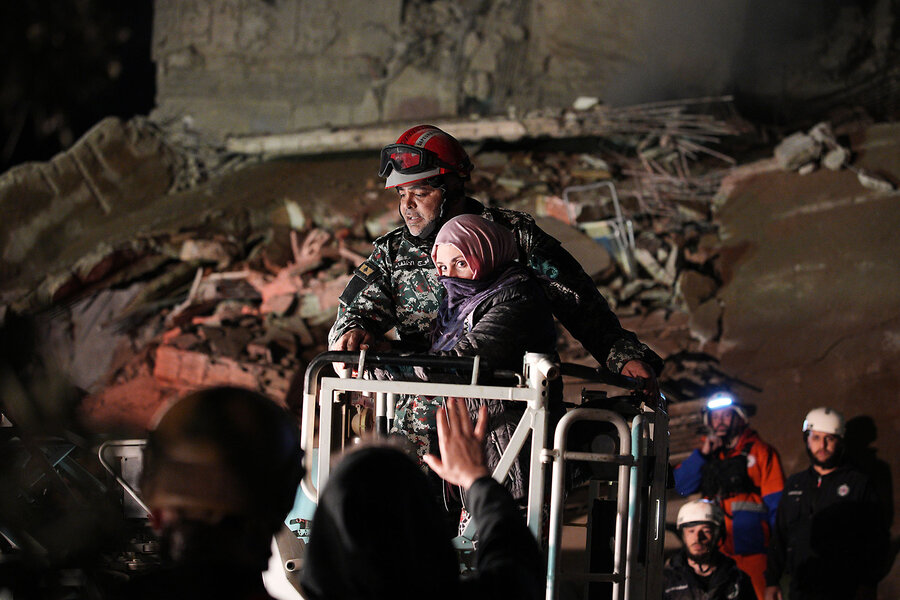
The fragile geopolitical landscape of the Levant is once again under extreme pressure as Israel launches a series of sprawling attacks across Lebanon. These military operations come at a critical juncture, occurring even as a ceasefire between the United States and Iran was declared, highlighting a volatile disconnect between regional diplomatic efforts and the tactical realities on the ground.
For many in the region, the current escalation renews a fundamental and enduring debate: can force alone deliver security, or does the continued absence of a comprehensive political strategy risk an open-ended conflict? While military strikes aim to degrade the capabilities of Hezbollah, the historical cycle of violence in Lebanon suggests that tactical victories rarely translate into long-term stability without a diplomatic framework.
The scale of the recent violence has been staggering. Reports indicate that Israeli strikes have resulted in what some describe as the deadliest ten minutes in decades, with hundreds of casualties reported in Lebanon via NBC News and The Guardian. These actions have not only caused immediate humanitarian distress but have also threatened the stability of the shaky U.S.-Iran ceasefire via The Novel York Times.
The Tension Between Military Force and Political Strategy
The primary objective for Israeli forces remains the disarmament of Hezbollah, a powerful Lebanese Shia party and militant group. However, the reliance on “force alone” to achieve this goal is a point of intense contention among strategists and historians. The current operations demonstrate a belief that degrading Hezbollah’s infrastructure is the only path to ensuring Israeli security.

Critics of this approach argue that military strikes, regardless of their precision or scale, cannot dismantle a socio-political movement embedded within the Lebanese state. Without a political roadmap—one that addresses the root causes of the conflict and provides a viable alternative to Hezbollah’s influence—the risk remains that these attacks will only fuel further resentment and recruitment, leading to a perpetual state of war.
This tension is further complicated by the broader regional dynamics involving Iran. While a ceasefire may exist between the U.S. And Iran, the proxy battles in Lebanon continue to flare. Iran has explicitly stated that the recent Israeli attacks constitute a breach of the ceasefire via BBC, suggesting that the security of Lebanon is inextricably linked to the diplomatic relations between Tehran and Washington.
Diplomatic Overtures Amidst Escalation
Despite the intensity of the strikes, You’ll see signs of a parallel effort to find a diplomatic exit. Prime Minister Benjamin Netanyahu has indicated that Israel is prepared to hold direct talks with Lebanon via BBC. This shift toward direct communication suggests an acknowledgment that military pressure may be used as leverage for a negotiated settlement rather than as a standalone solution.
The effectiveness of such talks remains uncertain. For direct negotiations to succeed, several hurdles must be overcome:
- The willingness of the Lebanese government to assert authority over its territory and disarm non-state actors.
- The degree to which Iran will allow its allies in Lebanon to compromise on military capabilities.
- The ability of international mediators, specifically the U.S., to guarantee security for both parties.
The current strategy reflects a “dual-track” approach: maintaining a high-intensity military campaign to weaken the adversary while keeping the door open for diplomatic breakthroughs. However, the human cost of this strategy is borne by the Lebanese civilian population, as sprawling attacks continue to reshape the landscape of southern Lebanon.
What Happens Next: The Path to Stability
The immediate future of the region depends on whether the “direct talks” mentioned by Netanyahu materialize into a concrete agreement. The world is watching to see if the U.S.-Iran ceasefire can be expanded or adapted to include the specific grievances and security requirements of the Israel-Lebanon border.
If the focus remains solely on the battle to disarm Hezbollah through kinetic means, the cycle of escalation is likely to continue. Conversely, a political strategy that integrates Lebanese sovereignty with regional security guarantees could offer a way out of the open-ended conflict.
The next critical checkpoint will be the initiation and outcome of the direct talks between Israel and Lebanon. Whether these discussions lead to a sustainable ceasefire or serve as a mere pause in hostilities will determine the trajectory of security in the Levant for years to come.
World Today Journal encourages readers to share this report and join the conversation in the comments below regarding the balance between military force and diplomacy in global conflict resolution.
Keep reading