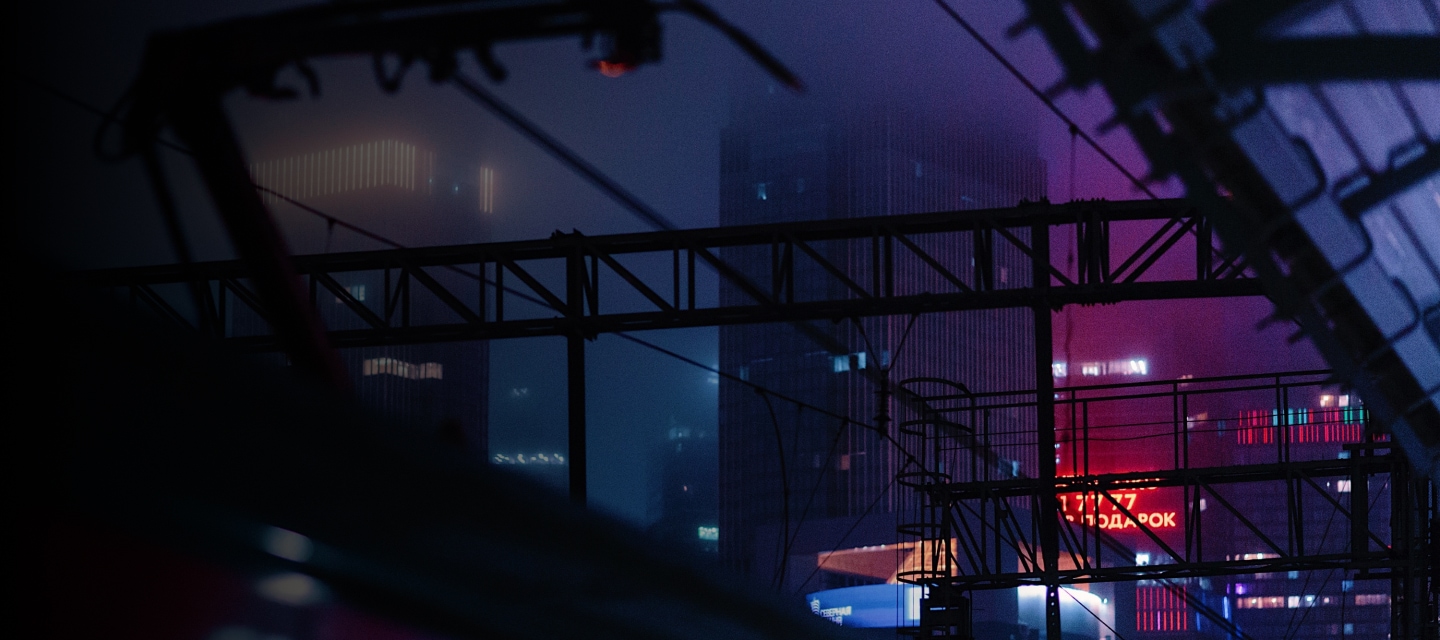
Capturing the perfect shot in near-total darkness was once the exclusive domain of professional photographers equipped with heavy tripods and wide-aperture lenses. For the average smartphone user, night photography often resulted in grainy images, blurred motion, and a frustrating loss of detail. But, the landscape of mobile imaging has undergone a fundamental shift, driven by the integration of sophisticated artificial intelligence.
Samsung has led this charge with its “Nightography” initiative, a comprehensive approach to low-light imaging that blends hardware optimization with AI-driven software. This evolution has moved beyond simple “night modes” to a systemic overhaul of how a camera sensor perceives and processes light. The goal is simple yet ambitious: to allow users to capture vivid, clear, and noise-free photos and videos regardless of the lighting conditions.
The latest milestone in this journey arrives with the Samsung Galaxy S26 Ultra, a device that Samsung claims sets a new standard for night photography. By leveraging advanced AI, the device aims to eliminate the traditional trade-offs between exposure time and image clarity, ensuring that the “night” in Nightography is no longer a limitation, but a canvas.
The Galaxy S26 Ultra: Redefining the Low-Light Standard
The transition from traditional photography to AI-enhanced imaging is most evident in the Galaxy S26 Ultra. Even as previous iterations of the S-series focused on increasing sensor size to let in more light, the S26 Ultra emphasizes the intelligence of the processing pipeline. According to SamMobile, the device features an improved Nightography camera designed to further refine how the phone handles extreme low-light environments.
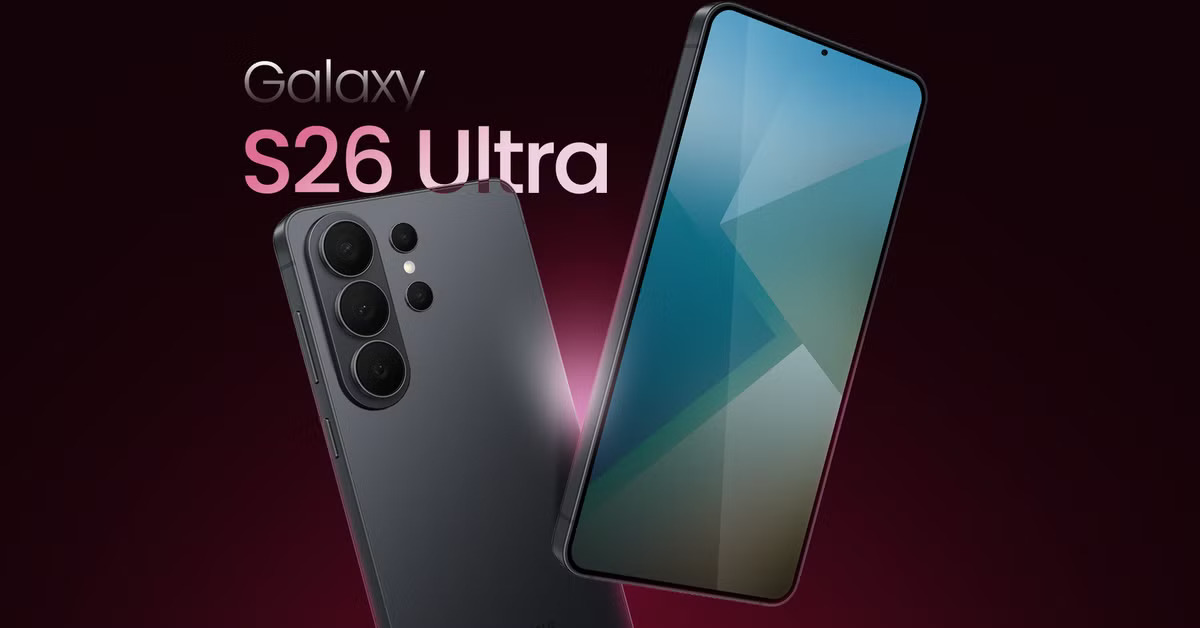
This improvement is not merely about brightness. In the context of AI evolution, “better” night photography means a more sophisticated ability to distinguish between actual image detail and digital noise. When a camera struggles in the dark, it often creates “artifacts”—random speckles of color or grain. The AI in the S26 Ultra works to identify these patterns and remove them in real-time without smoothing over the actual textures of the subject, a balance that has historically been difficult to achieve in mobile hardware.
For the global consumer, In other words the ability to capture architectural details of a city skyline at midnight or the subtle expressions of people at a dimly lit dinner table without the need for a harsh, artificial flash that often ruins the mood and color accuracy of the scene.
Expanding the Horizon: AI-Powered Night Videography
While still photography has seen massive gains, the real frontier for Samsung’s AI evolution is video. Recording video in low light is exponentially more challenging than taking a photo because the camera must process 24 to 60 frames per second, each requiring its own noise reduction and exposure adjustment.
The Galaxy S26 Ultra addresses this with new capabilities specifically tailored for recording videos in the dark. As reported by BGR, the device introduces a standout new feature for video recording that enhances the Nightography experience. This focus on video ensures that the “cinematic” quality of low-light footage is no longer reserved for high-end mirrorless cameras.
The AI’s role in video is to maintain consistency across frames. One of the biggest issues with early night video was “flicker” or shifting brightness as the AI tried to adjust to different light sources. The evolution seen in the S26 Ultra suggests a more stable, predictive AI that can anticipate lighting changes and smooth out the visual experience, resulting in professional-grade footage from a handheld device.
Why AI Evolution Matters for Mobile Imaging
To understand why the shift toward AI-driven Nightography is significant, it is helpful to look at the physics of a smartphone. Because phones must remain thin, they cannot house the massive sensors found in professional DSLRs. This creates a physical limit on how much light a lens can gather.
AI allows Samsung to bypass these physical constraints through computational photography. Instead of relying solely on the light that hits the sensor, the AI uses several techniques to “construct” a better image:
- Multi-frame Integration: The camera takes multiple images at different exposure levels in a fraction of a second and blends them to recover details from both the darkest shadows and the brightest highlights.
- Intelligent Noise Reduction: AI algorithms are trained on millions of images to recognize what “noise” looks like versus what a “star” or a “distant light” looks like, allowing the software to clean the image without losing sharpness.
- Semantic Segmentation: The AI can identify different parts of a photo—such as the sky, a human face, or a building—and apply different processing rules to each. For instance, it can brighten a face while keeping the night sky deep and black, preventing the “washed out” look common in older night modes.
| Feature Focus | Early Night Mode | Modern Nightography (S26 Ultra) |
|---|---|---|
| Primary Goal | Making the image visible | Making the image natural and detailed |
| Processing | Long exposure / Static shots | Real-time AI processing / Handheld |
| Video Quality | High noise / Grainy | Stabilized, AI-enhanced low-light video |
| Detail Retention | Blurred edges (Smudging) | Texture preservation via AI |
The Impact on the Global User
The democratization of high-end photography is the ultimate result of this AI evolution. By embedding these capabilities into the Galaxy S26 Ultra, Samsung is moving toward a world where the technical skill required to manage ISO, shutter speed, and aperture is handled by the device. This allows the user to focus on the composition and the moment rather than the settings.
For content creators, journalists, and casual users alike, the ability to document the world in any lighting condition without carrying specialized equipment is a significant leap in utility. It transforms the smartphone from a tool that *can* take photos in the dark into a tool that *excels* in the dark.
As Samsung continues to push the boundaries of what is possible with the S26 Ultra, the industry standard for mobile imaging continues to shift. The focus is no longer just on megapixels, but on the intelligence behind those pixels.
The next major milestone for Samsung’s imaging suite will likely involve further integration of generative AI to fill in gaps in extreme low-light scenarios, though official details on future software updates have not yet been released.
Do you believe AI is replacing the need for professional camera gear, or is it simply a tool for the masses? Share your thoughts in the comments below.
Worth a look
- The Dark Side of LED Streetlights: How Smarter Lighting Can Save Our Cities and Health
- Lisuan LX 7G100 GPU Review: Performance and Value of China’s Budget Graphics Card
- Why Some Plants Close Their Leaves Every Night (daybreakwire.com)
- West Salem Night Party to Feature Dance, Sports, and Games at Veterans Memorial Park (news-usa.today)