
For many, the first sign of a cardiovascular problem is not a warning symptom, but a sudden medical emergency. Here’s the danger of high cholesterol: it is a silent condition that typically offers no outward signs until the arteries have already been significantly compromised. As a physician and journalist, I have seen how often patients are surprised by a diagnosis, simply because they felt perfectly healthy.
At its core, cholesterol is not an enemy. It is a waxy, fat-like substance that our bodies actively require to build healthy cells, produce hormones such as estrogen and testosterone, and create bile to help digest fats according to Cedars-Sinai. The problem arises when the balance shifts, and the blood contains more cholesterol than the body can manage.
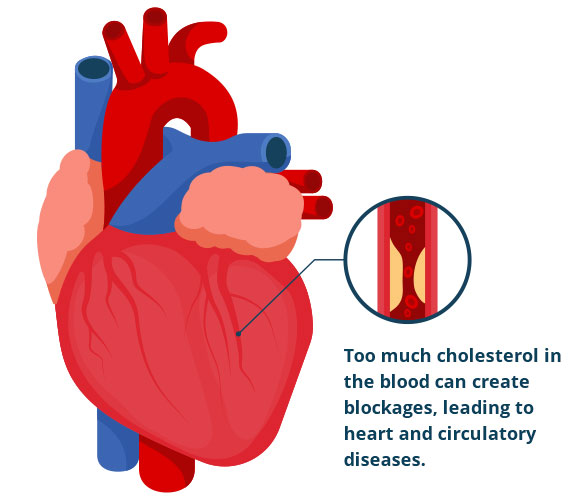
When levels remain elevated over time, the excess cholesterol can gather on arterial walls. This process creates plaque—a buildup of fats and other substances that narrows the arteries and restricts blood flow. If left unmanaged, this can lead to atherosclerosis, significantly increasing the risk of heart attack, stroke, and other vascular diseases as detailed by the Mayo Clinic.
Understanding the Balance: LDL vs. HDL
To understand what is high cholesterol, one must first distinguish between the different types of lipoproteins—the bundles of fat and protein that carry cholesterol through the bloodstream. The two primary players are low-density lipoprotein (LDL) and high-density lipoprotein (HDL).
LDL is commonly referred to as “terrible” cholesterol. This is because high levels of LDL lead to the accumulation of plaque in the arteries. In contrast, HDL is known as “good” cholesterol because it helps transport cholesterol away from the arteries and back to the liver, where it can be processed and removed from the body.
The goal of heart-healthy management is generally to lower LDL and maintain or increase HDL. When the ratio is skewed—either through too much LDL or too little HDL—the risk of cardiovascular disease increases per the American Heart Association.
Why Cholesterol Levels Rise: Causes and Risk Factors
Cholesterol comes from two primary sources: the liver, which produces all the cholesterol the body needs, and animal-based foods, such as meat, dairy, and eggs according to the American Heart Association. Still, several factors can cause these levels to climb to dangerous heights.
Lifestyle and Dietary Triggers
Dietary choices play a significant role in managing lipid levels. Diets high in saturated fats are a primary driver of elevated LDL. To combat this, some medical experts suggest that individuals with high cholesterol should limit their saturated fat intake to less than 11g per day as noted by Cedars-Sinai. Other contributing lifestyle factors include a lack of regular physical activity, smoking, and excessive alcohol consumption.
Medical and Biological Factors
Not all cases of high cholesterol are rooted in lifestyle. Some individuals are predisposed to higher levels due to factors beyond their control:
- Family History: Genetics can play a major role. In rare cases, a genetic condition called familial hypercholesterolemia (FH) causes very high LDL levels even at a young age.
- Age and Sex: As the body ages, it may become less efficient at clearing cholesterol from the blood. Hormonal changes, such as those occurring during menopause, can influence LDL levels in women.
- Underlying Conditions: Certain medical issues, including Type 2 diabetes, hypothyroidism, and chronic kidney disease, can increase the risk of hyperlipidemia.
some medications used to treat other health conditions can inadvertently raise LDL or lower HDL. These may include certain diuretics, beta-blockers, corticosteroids, and some medications used to treat HIV or cancer.
Diagnosis: The Role of the Lipid Panel
Because high cholesterol typically presents no symptoms, the only way to determine your levels is through a blood test known as a lipid panel or lipid profile. This test measures total cholesterol, LDL, HDL, and triglycerides.
Interpreting these results can be complex. While a total cholesterol level below 200 mg/dL has long been used as a general screening measure, the American Heart Association emphasizes that there is no single “normal” number for everyone per their guidelines. Instead, healthcare providers assess total cholesterol as part of a broader risk profile that includes age, blood pressure, and other health markers.
Depending on the specific test, patients may be required to rapid—avoiding food and drink other than water—for 8 to 12 hours before the blood draw to ensure the most accurate triglyceride and LDL readings.
Treatment and Management Strategies
Managing high cholesterol is usually a lifelong commitment involving a combination of therapeutic lifestyle changes and, when necessary, medication.
Therapeutic Lifestyle Changes
The first line of defense is often a shift in daily habits. Key strategies include:
- Heart-Healthy Eating: Prioritizing plant-based foods, whole grains, and lean proteins while reducing saturated and trans fats.
- Physical Activity: Regular exercise helps the body clear cholesterol and supports overall cardiovascular health.
- Weight Management: Losing excess weight can help lower LDL levels.
- Smoking Cessation: Quitting smoking can help raise HDL (“good”) cholesterol and reduce the overall risk of heart disease.
Medical Interventions
When lifestyle changes alone are insufficient, physicians may prescribe medications to lower cholesterol and reduce the risk of stroke or heart attack. Common options include:
- Statins: These are the most common medications; they work by inhibiting the liver’s production of cholesterol and helping the body remove LDL from the bloodstream.
- Cholesterol Absorption Inhibitors: These reduce the amount of cholesterol the body absorbs from food.
- PCSK9 Inhibitors: These help the liver absorb more LDL, thereby lowering the amount circulating in the blood.
- Bile Acid Sequestrants and Fibrates: These target different mechanisms, such as prompting the liver to apply extra cholesterol for bile production or speeding up the removal of triglycerides.
Summary of Management Options
| Approach | Primary Goal | Common Examples |
|---|---|---|
| Dietary Changes | Reduce LDL intake | Lowering saturated fats to <11g/day |
| Physical Activity | Improve lipid clearance | Moderate-intensity exercise |
| Statins | Inhibit liver production | Atorvastatin, Rosuvastatin |
| Other Medications | Absorption or removal | Ezetimibe, PCSK9 inhibitors |
Prevention and Long-Term Monitoring
Prevention begins with regular screening. Because the condition is asymptomatic, consistent monitoring is essential to catch rising levels before they cause permanent arterial damage. While screening frequency varies based on individual risk factors, general guidelines often suggest that healthy adults be checked every few years, with more frequent screenings for those over age 65 or those with existing cardiovascular risks.
It is important to remember that high cholesterol is a chronic condition. Even after levels are brought under control through medication or diet, maintenance is required to prevent a relapse. Regular follow-up visits with a healthcare provider are necessary to monitor the efficacy of treatment and adjust dosages or lifestyle goals as the patient ages.
The next critical step for most adults is to review their last lipid panel results with a primary care physician to determine their current cardiovascular risk category. We encourage you to share this guide with loved ones and leave your questions in the comments below.
Worth a look