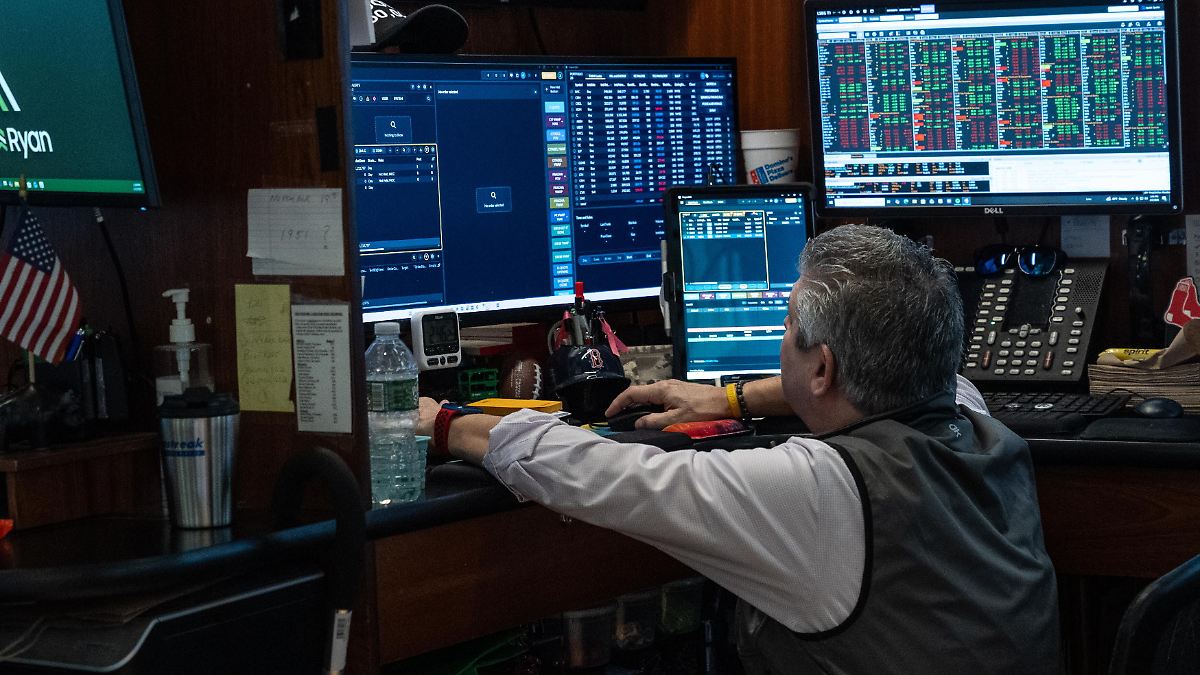
Global markets are reacting with cautious optimism as a fragile two-week ceasefire takes hold between the United States and Iran. After a period of intense volatility, U.S. Stock indices have managed to pivot from a tentative start to positive territory, while oil prices remain below the critical 100-dollar mark, reflecting a tentative relief among investors that the immediate risk of a wider regional escalation has subsided.
The shift in sentiment follows the announcement of a 14-day ceasefire, brokered with the assistance of Pakistan, aimed at halting mutual attacks between Washington and Tehran. While the agreement has provided a momentary reprieve for the energy markets and equity traders, the stability remains precarious. Market analysts are closely monitoring whether this pause can serve as a genuine bridge toward a permanent diplomatic resolution or if it is merely a temporary lull in hostilities.
The geopolitical tension remains high, however, as the ceasefire’s scope appears limited. While the truce applies to the direct conflict between the U.S. And Iran, reports indicate that the ceasefire does not extend to other fronts, most notably the ongoing conflict in Lebanon. This discrepancy continues to weigh on the broader humanitarian and political landscape of the Middle East, preventing a total recovery of investor confidence.
Market Volatility and the 100-Dollar Oil Threshold
The behavior of the U.S. Stock markets today mirrored the uncertainty of the region. Investors began the trading day with significant doubts, leading to a “shaky start” as traders weighed the validity of the ceasefire against reports of continued friction. However, as the day progressed, the mood improved, allowing indices to move into the green.
Of particular importance to the global economy is the price of crude oil. The fact that oil has remained below the 100-dollar mark is a significant indicator of the market’s current assessment of risk. A breach of the 100-dollar threshold often signals a “fear premium,” where investors price in the likelihood of major supply disruptions, particularly in the Strait of Hormuz. The current pricing suggests that, for now, traders believe the risk of a total blockade or catastrophic infrastructure failure in the Gulf is being managed.
The stability of the energy sector is closely tied to the status of the Strait of Hormuz. The German government has expressed expectations that the strait remains free of charges to ensure the continuity of global trade. Meanwhile, the Iranian Foreign Minister has stated that Iran intends to retain the Strait of Hormuz open, a move that is critical for maintaining the current price ceiling on oil.
The Fragile Terms of the Two-Week Ceasefire
The agreement to stop mutual attacks comes after more than five weeks of joint operations by the U.S. And Israel against Iran. The current two-week ceasefire, announced on April 8, 2026, is viewed by international leaders as a necessary first step, though not a final solution. The German government and other international partners have welcomed the move, emphasizing that successful diplomacy must now follow to prevent a return to conflict.
Despite the formal agreement, the ceasefire is already under strain. U.S. Vice President Vance has warned Iran of severe consequences should Tehran break the truce. Conversely, Iranian leadership has accused Washington of violating several points of the agreement. These mutual accusations highlight the “fragile peace” that UN High Commissioner for Human Rights Volker Türk described as being under enormous pressure.
The complexity of the truce is further complicated by the exclusion of other regional conflicts. According to the Israeli government, the current ceasefire does not apply to Lebanon. This distinction has led to devastating consequences; just hours after the Iran-U.S. Agreement, Israel launched heavy air raids in Lebanon. According to the Lebanese Health Ministry, these attacks resulted in at least 182 deaths and nearly 900 injuries, with many more believed to be trapped under rubble as of April 8, 2026.
Key Stakeholders and Diplomatic Efforts
The diplomatic landscape surrounding this ceasefire involves several key actors:
- Pakistan: Played a central role as the mediator between the United States and Iran to facilitate the two-week pause.
- United States: Led by President Donald Trump, who announced the truce following sharp threats against Iran. Vice President Vance is expected to lead the U.S. Delegation in ongoing negotiations.
- Germany: Chancellor Friedrich Merz has called for a permanent complete to the war through diplomatic channels and has expressed gratitude toward Pakistan for its mediation.
- United Nations: High Commissioner Volker Türk has condemned the continued violence in Lebanon, warning that such “bloodbaths” jeopardize the fragile stability needed by civilian populations.
What This Means for Global Markets and Stability
For the business community, the primary concern is whether this two-week window is a genuine diplomatic opening or a strategic repositioning. The “international sigh of relief” mentioned by diplomats is mirrored by the “breathing room” felt by investors. However, the persistence of attacks in Lebanon and the reported shelling from Iran into Kuwait and the UAE suggest that the region is far from stabilized.
From an economic perspective, the primary drivers of the current market recovery are:
- Reduced Immediate Risk: The cessation of direct U.S.-Iran strikes lowers the probability of a sudden, massive spike in oil prices.
- Diplomatic Hope: The involvement of mediators like Pakistan provides a framework for potential long-term negotiations.
- Shipping Security: The commitment to keep the Strait of Hormuz open prevents a logistical crisis for global energy shipments.
However, the risk remains that any breach of the ceasefire by either side could trigger a rapid reversal of these gains. The market’s “zitterstart” (shaky start) indicates that traders are not yet fully convinced of the truce’s longevity.
| Feature | Status / Detail |
|---|---|
| Duration | Two weeks (announced April 8, 2026) |
| Primary Parties | United States and Iran |
| Mediator | Pakistan |
| Exclusions | Does not apply to Lebanon |
| Market Impact | Oil below $100; US stocks recovered from initial dip |
The next critical checkpoint for the global community will be the conclusion of this two-week window, during which US-led delegations, potentially headed by Vice President Vance, will attempt to negotiate a permanent end to the hostilities. Until a long-term agreement is signed, markets are likely to remain hypersensitive to any reports of ceasefire violations or escalations in the surrounding region.
We invite our readers to share their perspectives on the stability of the energy markets in the comments below. How do you believe the current regional tensions will impact global trade in the coming quarter?
Worth a look
- Lucid Motors Factory in Saudi Arabia Transitions from Construction to Production
- Balancing Tradition and Innovation: The Art of Cultural Evolution
- Moonshot AI Kimi K3 Disrupts US Markets as Tech Firms Adopt Chinese AI Models (archyworldys.com)
- Crude Oil Prices Plunge Over 5 Percent Amid US-Iran Diplomacy and Middle East Tensions (world-today-news.com)