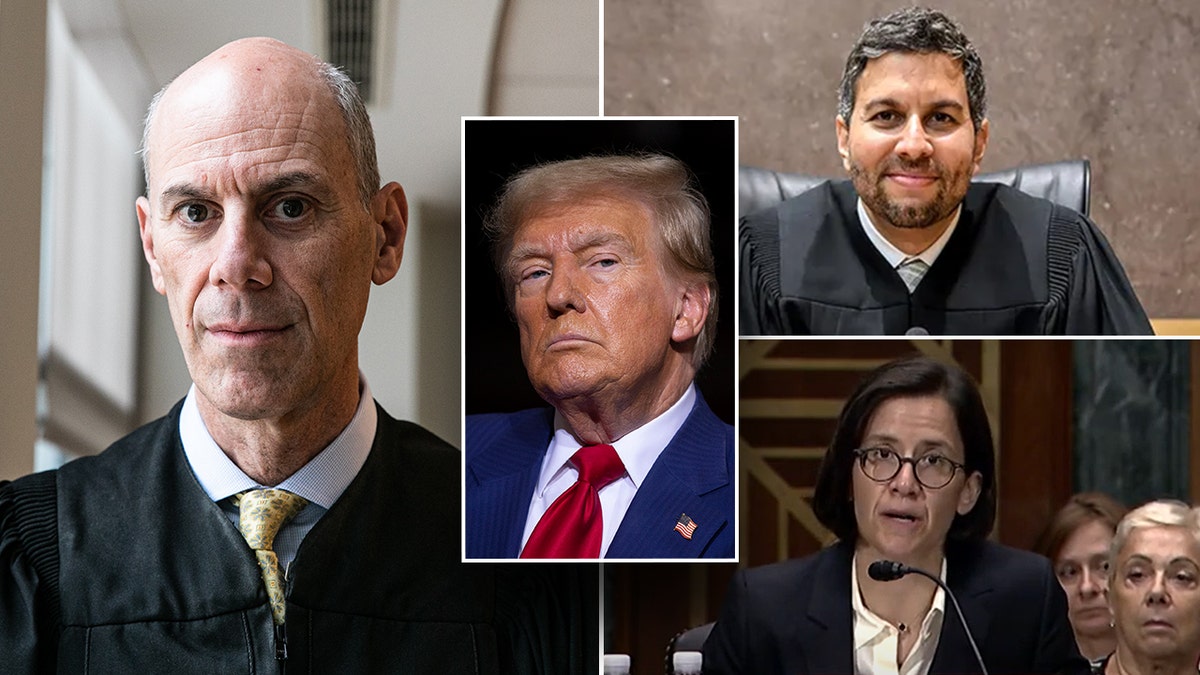
A federal judge has ruled that the U.S. Department of Defense violated a court order by failing to restore press access to the Pentagon, striking down a new set of restrictive policies that the court deemed an attempt to circumvent previous legal mandates. The ruling comes after a legal battle led by the New York Times, which argued that the Pentagon’s stringent controls on journalists violated the First Amendment and due process.
U.S. District Judge Paul Friedman determined on Thursday, April 9, 2026, that the Pentagon had not complied with a March order intended to ease restrictions on reporters. The court found that the Defense Department attempted to reinstate unlawful policies under the guise of new actions, effectively blocking journalists from operating freely within the building according to court documents.
The legal dispute centers on a series of press pass policies that led several news organizations, including CBS News, to depart the Pentagon. Judge Friedman’s latest decision specifically targets a revised policy that required all reporters to be accompanied by government escorts and removed dedicated office spaces for media outlets from the building.
This judicial intervention marks a significant victory for press freedom advocates who argue that access to the Department of Defense is a right essential for government accountability, rather than a privilege to be granted or revoked at the administration’s discretion.
Court Blocks ‘Kafkaesque’ Restrictions on Journalists
The conflict began when the New York Times filed a lawsuit in December, alleging that the Pentagon’s press policies violated the Fifth Amendment and the First Amendment. In a ruling on March 20, Judge Friedman had already gutted much of the restrictive policy, including a provision that allowed the Pentagon to bar reporters who “solicit” sensitive or classified information from military personnel, labeling such journalists as security risks per the court’s findings.
However, following the March ruling, the Pentagon implemented a new policy that the New York Times described as an “end-run” around the judicial order. This new framework included the closure of the “correspondents’ corridor,” the dedicated workspace for journalists within the Pentagon, and the mandate that all media personnel be escorted at all times as reported by The Guardian.
During a hearing on March 30, Judge Friedman expressed skepticism regarding these new measures, describing aspects of the Pentagon’s approach as “weird” and “Kafkaesque.” In his Thursday ruling, the judge stated, “The Department cannot simply reinstate an unlawful policy under the guise of taking ‘new’ action and expect the Court to look the other way.”
The Restoration of Press Credentials
As a direct result of the ruling, the court has ordered the Department of Defense to return press credentials to seven New York Times reporters. This includes reporter Julian Barnes, whose lawsuit triggered the legal challenge. The court’s order aims to ensure that these journalists can resume their reporting duties without the threat of arbitrary revocation of their access passes according to court orders.
The ruling also explicitly threw out the regulation requiring journalists to be escorted into the building and removed language concerning the “inducement of unauthorized disclosures,” which the administration had used to justify restricting access to certain reporters.
Impact on Defense Department Transparency
The tension between the Trump administration and the press corps has been highlighted by the Pentagon’s insistence that access to the building is a “privilege.” Judge Friedman explicitly struck down this phrasing, reinforcing the legal perspective that such access is a right necessary for the functioning of a free press.
The impact of these restrictions was felt across the media landscape. The stringent controls caused multiple news outlets to vacate their offices within the Pentagon, limiting the ability of reporters to conduct real-time investigative work and maintain the close proximity to officials required for breaking news in international affairs and national security.
While the judge has halted the most onerous restrictions, some limitations remain. The court left in place certain restrictions regarding specific areas of the Pentagon where reporters are still required to have an escort for security reasons according to the March ruling.
Key Legal and Policy Changes
| Policy Element | Status | Court Determination |
|---|---|---|
| Escort Requirements | Blocked | Unlawful restriction on journalist movement |
| “Privilege” vs “Right” | Overturned | Access is viewed as a right, not a privilege |
| Correspondents’ Corridor | Must be Restored | Closure was an attempt to circumvent court orders |
| Security Risk Labeling | Blocked | Soliciting sensitive info cannot be sole basis for barring access |
| Specific Secure Areas | Maintained | Escorts still required for certain high-security zones |
What This Means for Global Press Freedom
This ruling serves as a critical precedent for how the U.S. Judiciary views the intersection of national security and the First Amendment. By blocking the Pentagon’s attempt to rename and reinstate a failed policy, the court has signaled that administrative “rebranding” of restrictive rules will not shield the government from judicial oversight.
For the global community and international journalists, the case underscores the ongoing struggle to maintain transparency within the world’s most powerful military institution. The restoration of the “correspondents’ corridor” and the return of credentials to the New York Times staff are tangible steps toward normalizing the relationship between the Department of Defense and the media.
The broader implication is a reaffirmation of the role of the judiciary in protecting the press from executive overreach, particularly when that overreach is framed as a security necessity but lacks a constitutional basis.
The Department of Defense must now move to implement these changes and ensure that the seven specified reporters are reinstated with full access as mandated by the court. Failure to do so could lead to further sanctions or contempt of court proceedings.
The next phase of this legal battle will involve the Pentagon’s formal compliance with the restoration of credentials and the reopening of media workspaces. We will continue to monitor court filings for any appeals by the Department of Defense.
Do you believe the balance between national security and press access is being properly maintained? Share your thoughts in the comments below and share this story with your network to join the conversation on press freedom.
Keep reading