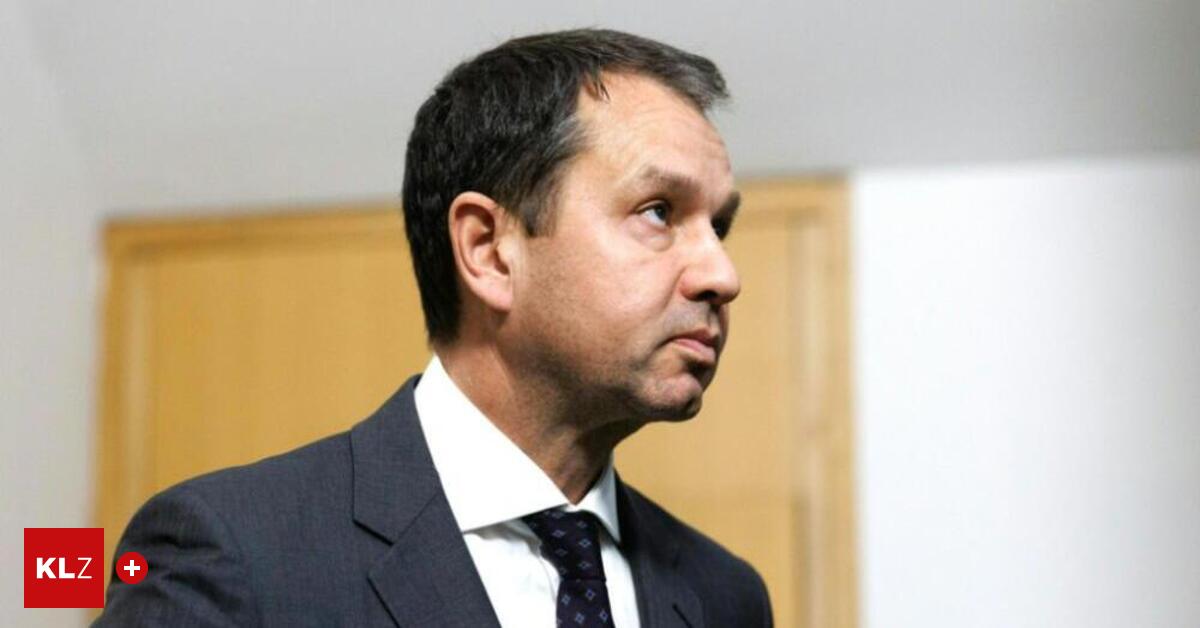
Former Austrian Chancellor Sebastian Kurz has filed a legal complaint against crown witness Thomas Schmid, alleging that Schmid provided false testimony. The move, coordinated through Kurz’s attorney Werner Suppan, marks a significant escalation in the ongoing legal battles surrounding the former leader’s tenure and the corruption scandals that defined his exit from power.
The legal action against Thomas Schmid follows new evidence that emerged during a separate trial involving abuse of office. Specifically, testimonies from a current trial involving ÖVP group leader August Wöginger and two financial officials in Linz have reportedly cast doubt on the veracity of Schmid’s previous statements. This has prompted Kurz’s legal team to submit a formal statement of facts this week to challenge the crown witness’s credibility.
This dispute is a critical chapter in the broader legal saga of Sebastian Kurz, who became the world’s youngest democratically elected head of government in 2017 at age 31. Once regarded as a “wunderkind” of European conservatism, Kurz stepped down as chancellor in 2021 amid a series of graft accusations, including the alleged use of public funds to secure favorable media coverage according to reports on his legal challenges.
The friction between Kurz and Schmid is rooted in a complex web of appointments and influence. A central point of contention involves the appointment of Schmid to lead the state-run company OeBAG. Even as Kurz previously downplayed his influence in this appointment during testimony to a parliamentary committee, leaked chat messages suggested a much closer coordination, with Kurz once writing to Schmid, “You get everything you wish.”
The Legal Stakes of False Testimony
The charge of giving false testimony is a serious legal matter in Austria. In August 2023, prosecutors charged Sebastian Kurz, his former chief of staff Bernhard Bonelli, and a third individual with providing false testimony to a parliamentary committee investigating graft allegations. The Vienna criminal court scheduled a trial for these charges to begin on October 18, 2023, with a potential decision expected by October 23 as detailed in court proceedings.

If found guilty of providing false testimony, an individual can face up to three years in jail. For Kurz, who has repeatedly dismissed the accusations against him, the credibility of witnesses like Thomas Schmid is paramount. By filing a complaint against Schmid for false testimony, Kurz is attempting to undermine the testimony that has been used by prosecutors to build their case against him.
Who is Thomas Schmid?
Thomas Schmid has served as a “crown witness” (Kronzeuge), a role typically reserved for individuals who provide insider information to prosecutors in exchange for certain legal considerations or leniency. In the context of the Austrian corruption probes, Schmid’s testimony has been pivotal in detailing the internal workings of the Chancellery and the mechanisms used to influence media and state appointments.
The current conflict centers on whether Schmid’s accounts of these events are consistent. The legal team for Kurz argues that the testimonies in the Linz abuse-of-office trial contradict Schmid’s claims, suggesting that the crown witness may have fabricated or distorted facts to secure his own legal standing.
Understanding the Broader Corruption Probe
The investigations into Sebastian Kurz are managed by the state economic crime and corruption prosecutor, known as the WKStA. These probes have focused on several key areas of alleged misconduct:
- Media Manipulation: Allegations that public funds were used to pay for favorable press coverage to bolster Kurz’s public image.
- Influence Peddling: The process of appointing loyalists to high-ranking positions in state-run companies, such as the OeBAG.
- Parliamentary Deception: The core of the “false testimony” charges, where Kurz is accused of lying to lawmakers about his role in these processes.
The fallout of these investigations led to the “spectacular fall” of the charismatic hardliner in 2021. The transition from a rising star in European politics to a defendant in multiple criminal proceedings has highlighted the volatility of the Austrian political landscape during the late 2010s.
The Role of Leaked Communications
Much of the evidence in these cases has relied on digital footprints. Leaked chat messages have provided a stark contrast to the official testimonies given by Kurz. In one exchange, Schmid replied to Kurz’s promise of support by stating, “I’m so happy. I love my chancellor.” These messages have been used by the WKStA to argue that Kurz exercised significant, undisclosed influence over state appointments, contradicting his statements to the parliamentary committee.
What This Means for the Austrian Legal System
The clash between a former head of government and a crown witness puts the Austrian judiciary under intense scrutiny. The outcome of the complaint against Thomas Schmid could have several implications:
First, if Schmid is found to have given false testimony, it could jeopardize the validity of other evidence he provided in multiple cases. This would potentially weaken the prosecution’s case against Kurz and other officials. Second, it reinforces the high-stakes nature of “crown witness” agreements, where the credibility of the witness is the primary currency of the prosecution.
For the general public and the global community, these proceedings serve as a case study in the challenges of prosecuting high-level political corruption, where the line between political networking and criminal graft is often the subject of intense legal debate.
| Date/Period | Event |
|---|---|
| 2017 | Sebastian Kurz becomes the world’s youngest democratically elected head of government at age 31. |
| 2021 | Kurz steps down as chancellor following a string of graft accusations. |
| January 2023 | WKStA investigation into false statements to a parliamentary committee wraps up. |
| August 18, 2023 | Prosecutors charge Kurz and Bernhard Bonelli with giving false testimony. |
| October 18, 2023 | Scheduled start of the trial for false testimony in the Vienna criminal court. |
As the legal battle continues, the focus remains on the veracity of the testimonies provided by both the accused and the witnesses. The filing by Werner Suppan on behalf of Sebastian Kurz indicates that the defense is actively seeking to dismantle the prosecution’s narrative by attacking the reliability of its key witness.
The next confirmed checkpoint in this legal saga involves the processing of the complaint against Thomas Schmid and the ongoing proceedings in the abuse-of-office trial in Linz, which provided the catalyst for this latest legal move.
We invite our readers to share their thoughts on these developments in the comments below and share this report with others interested in European political law.