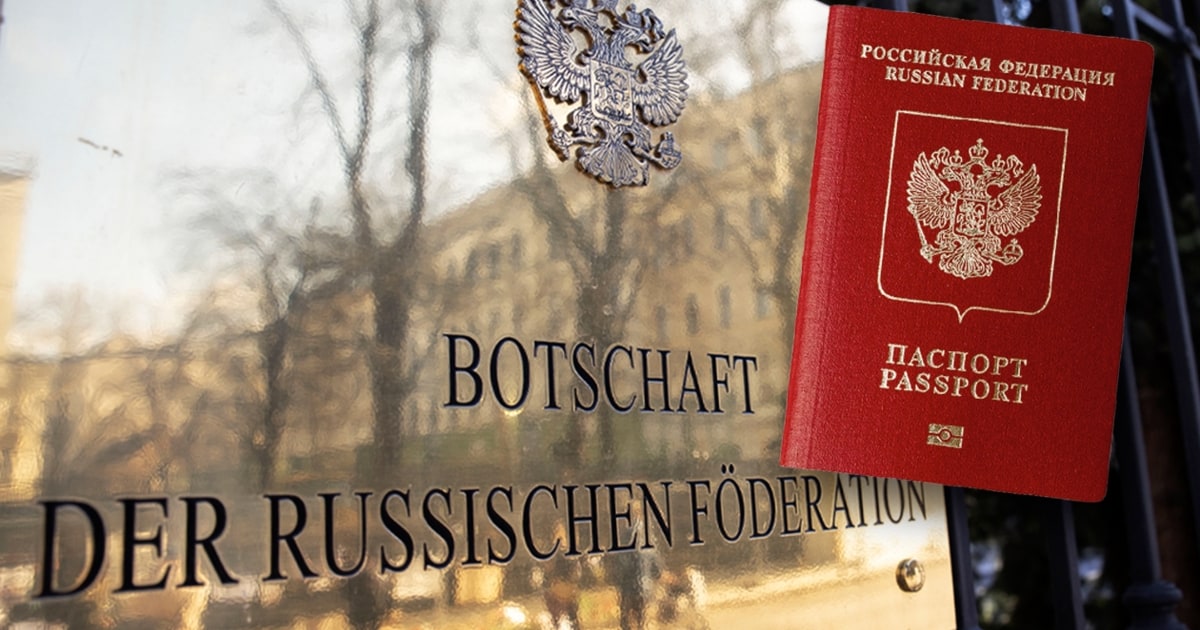
Austria is currently navigating a period of heightened diplomatic tension with the Russian Federation, characterized by a series of expulsions and reciprocal measures that have significantly thinned the presence of Moscow’s diplomatic corps in Vienna. This “cold diplomatic war,” as it has been described in local media, reflects a broader shift in Austrian foreign policy following the Russian invasion of Ukraine in February 2022. According to the Austrian Federal Ministry for European and International Affairs, the government has moved to declare multiple Russian diplomats personae non gratae over the past two years, citing activities incompatible with their diplomatic status, which typically refers to espionage allegations.
The Evolution of Diplomatic Expulsions
The diplomatic friction between Vienna and Moscow intensified significantly following the discovery of alleged intelligence operations conducted under the cover of diplomatic immunity. Since the escalation of the war in Ukraine, the Austrian government has expelled several Russian diplomats in coordinated actions with European Union partners. These decisions are generally processed through the Ministry of Foreign Affairs, which maintains that such measures are necessary to protect national security interests. As reported by Reuters, these expulsions have become a recurring feature of bilateral relations, marking a departure from Austria’s traditionally cautious approach toward Russia.
The operational capacity of the Russian Embassy in Vienna has been constrained not only by these expulsions but also by stricter visa policies and increased scrutiny of Russian nationals residing in the country. The Austrian intelligence agency, the Directorate of State Security and Intelligence (DSN), has repeatedly warned in its annual reports about the heightened threat posed by foreign intelligence services operating within Austrian borders. This security posture has effectively dismantled the previous status quo, where Vienna served as a primary hub for international diplomacy and, according to various security analysts, a significant theater for clandestine activity.
Strategic Shifts and Security Concerns
For decades, Austria maintained a policy of neutrality that allowed it to act as a bridge between East and West. However, the current administration has faced pressure to align more closely with the security consensus of the European Union and NATO-aligned neighbors. The shift is not merely symbolic; it involves a tangible restructuring of how Austrian authorities monitor foreign influence. The Austrian Parliament has held multiple sessions debating the extent of Russian influence in the energy sector and political spheres, further fueling the diplomatic standoff.
The Russian government, through its mission in Vienna, has consistently characterized these expulsions as “unfounded” and “hostile,” frequently threatening retaliatory measures against Austrian diplomats stationed in Moscow. This cycle of “tit-for-tat” expulsions has left the diplomatic channels between the two capitals increasingly narrow. While the formal diplomatic missions remain open, the level of trust and cooperation has reached a historical low since the end of the Cold War.
Impact on Bilateral Relations
The cooling of relations has extended beyond diplomatic personnel. The economic relationship, particularly regarding energy imports, has undergone a forced transition. According to the Austrian Federal Government, efforts to diversify energy sources away from Russian gas have been central to national policy, even as the country historically maintained a high dependency on these supplies. This transition is viewed by the current government as a matter of sovereignty, further distancing Vienna from its previous reliance on the Kremlin.
Observers note that the intensity of these diplomatic measures suggests that the Austrian government is no longer prioritizing the preservation of its traditional “bridge-builder” image when it conflicts with modern security imperatives. The ongoing investigations into suspected espionage cases, involving both former intelligence officials and foreign nationals, continue to provide the impetus for these diplomatic actions. As these legal proceedings move through the courts, they serve as a catalyst for further friction, ensuring that the “cold war” between the two nations remains active.
Current Status and Future Outlook
The current state of affairs remains fluid, with both nations maintaining a posture of mutual suspicion. The next significant checkpoint for this relationship will likely be defined by the outcome of ongoing legal cases involving espionage charges, which may trigger further diplomatic responses from the Austrian Foreign Ministry. Additionally, the European Union’s ongoing sanctions regime continues to provide a framework for Austria’s actions, ensuring that its diplomatic strategy remains synchronized with the broader European response to the conflict in Ukraine.

As the situation develops, observers and citizens alike are watching for official statements from the Ministry of Foreign Affairs regarding any potential further reductions in diplomatic staff or changes to visa status for Russian officials. The government has not provided a timeline for a normalization of relations, suggesting that the current cooling period is expected to persist for the foreseeable future. Readers interested in following these developments can monitor the official press announcements from the Austrian Foreign Ministry for the latest updates on diplomatic status and security policy.
We encourage readers to share their thoughts or analysis on these developments in the comments section below. Stay informed by subscribing to our newsletter for the latest updates on international affairs.
Worth a look