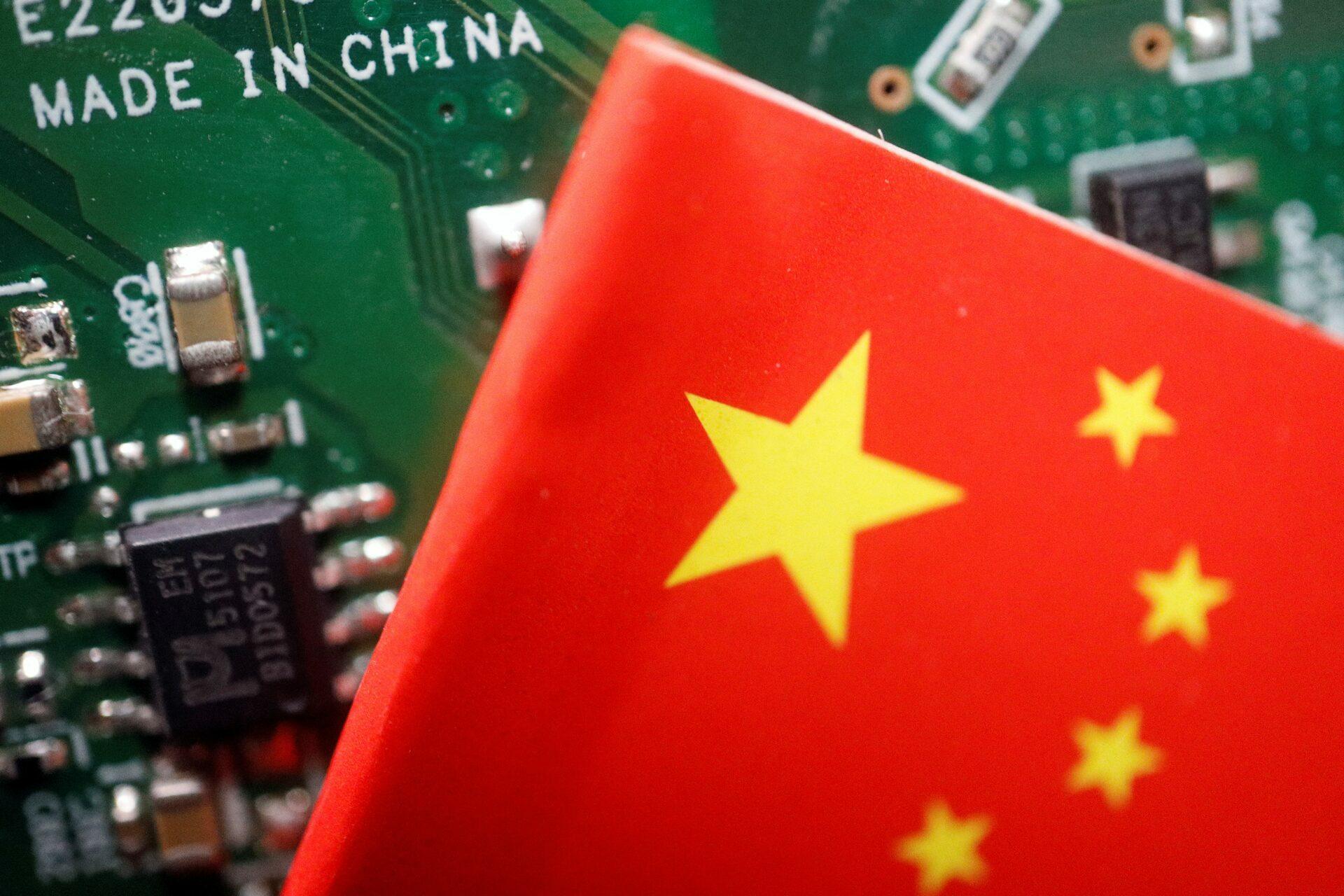
China is accelerating the domestic production of critical semiconductor manufacturing equipment. By developing indigenous lithography and etching tools, Beijing aims to bypass export controls that restrict access to advanced machinery from firms like ASML, which maintains a grip on the high-end lithography market.
The strategic shift focuses on creating a domestic supply chain, moving beyond mere chip design to the fabrication of the machines that make the chips.
Industry data and recent market movements indicate that Chinese firms, including memory manufacturer ChangXin Memory Technologies (CXMT), are scaling production. CXMT already has more expensive memory than Samsung. The push for domestic machinery is a practical necessity as licenses for advanced semiconductor equipment exports to China are tightened.
The Challenge to ASML
For years, the Netherlands-based ASML has been a provider of lithography machines. These machines use light to carve patterns on silicon wafers, enabling the high transistor density required for modern processors and smartphones.
China is attempting to bridge this gap by investing in lithography and exploring alternative methods to achieve precision.
The risk to the European monopoly lies in China’s ability to iterate.
CXMT and the Shift in Memory Markets
The impact of China’s semiconductor push is visible in the memory sector. ChangXin Memory Technologies (CXMT) has emerged as a player in the DRAM (Dynamic Random Access Memory) market. By utilizing domestic equipment and refined processes, CXMT is producing memory chips.
Market analysis shows that CXMT has scaled its capacity rapidly.
This development is concerning for Wall Street because it threatens the pricing power of competitors.
The Role of Patents and Technology Transfer
The rapid ascent of Chinese chip machinery is the result of the strategic acquisition and application of existing intellectual property. China has acquired patents and technical blueprints from European firms.
In some instances, European firms sold patents for small sums, unaware that these components would be integrated into a massive, state-coordinated effort to build a system. This “modular” approach to innovation—combining various acquired technologies into a single functional machine—has allowed China to build a “monster.”
Strategic Implications for Global Markets
The “European monopoly” is facing a state-directed industrial strategy that prioritizes long-term autonomy over short-term profit.
Share your thoughts on the shifting balance of semiconductor power in the comments below and share this analysis with your professional network.
Worth a look
- Who Pays for Climate Disasters? Funding the Cost of Global Catastrophes
- DeepSeek AI: China’s New Model 100x Cheaper Than Claude Fable 5
- China’s AI Sector Challenges US Rivals With High-Performance Models (archyworldys.com)
- Hugging Face CEO: China’s Open Models Could Overtake US AI by Next Year (time.news)