
The escalating conflict involving Iran has created a volatile geopolitical landscape, but for the Kremlin, the chaos appears to be providing a strategic windfall. While the United States and Iran move closer to a potential total confrontation, security analysts suggest that Russia is emerging as an unexpected beneficiary of the instability.
The current crisis is characterized by a dangerous convergence of regional warfare and global diplomatic failures. As the U.S. Administration ramps up threats of massive infrastructure destruction against Tehran, the diversion of international attention and resources is altering the trajectory of other global conflicts—most notably the war in Ukraine.
The paradoxical nature of the current situation is that while Iran faces the threat of “total destruction,” Russia is leveraging the crisis to bolster its own military capabilities and financial standing. This shift comes at a critical moment when diplomatic efforts to resolve the conflict in Eastern Europe have effectively stalled.
Russia’s Strategic Gain in the Iran Conflict
According to reports from March 12, 2026, Russia has become a primary profiteer of the ongoing Iran war via Kurier. The conflict has resulted in a significant influx of additional funds for Moscow, which are being immediately redirected to fuel its own military operations against Ukraine.
This financial windfall allows the Russian leadership to sustain its war effort even as international pressure mounts. By capitalizing on the instability in the Middle East, Russia is effectively using the Iran crisis as a strategic shield and a source of revenue, complicating the efforts of the leadership in Kyiv to secure a decisive advantage or a favorable peace.
The Collapse of Ukraine-Russia Peace Talks
The ripples of the Iran conflict have extended directly into the diplomatic channels between the U.S., Russia, and Ukraine. On March 19, 2026, it was reported that peace talks aimed at ending the war in Ukraine have been suspended via Kurier. According to sources in Moscow, these discussions are currently on pause.
The suspension of these talks suggests that the geopolitical gravity has shifted toward the Persian Gulf, leaving the resolution of the Ukrainian conflict in a state of limbo. For Russia, the interruption of these negotiations serves as another tactical advantage, as it reduces immediate diplomatic pressure to concede territory or cease hostilities while the West is preoccupied with the threat of a wider war in the Middle East.
U.S. Threats and the Strait of Hormuz
The tension reached a fever pitch on April 7, 2026, when U.S. President Donald Trump issued a stark ultimatum to Tehran. The U.S. President has threatened the “total destruction” of all bridges and power plants within Iran if the Iranian government does not comply with demands to open the Strait of Hormus via Kurier.
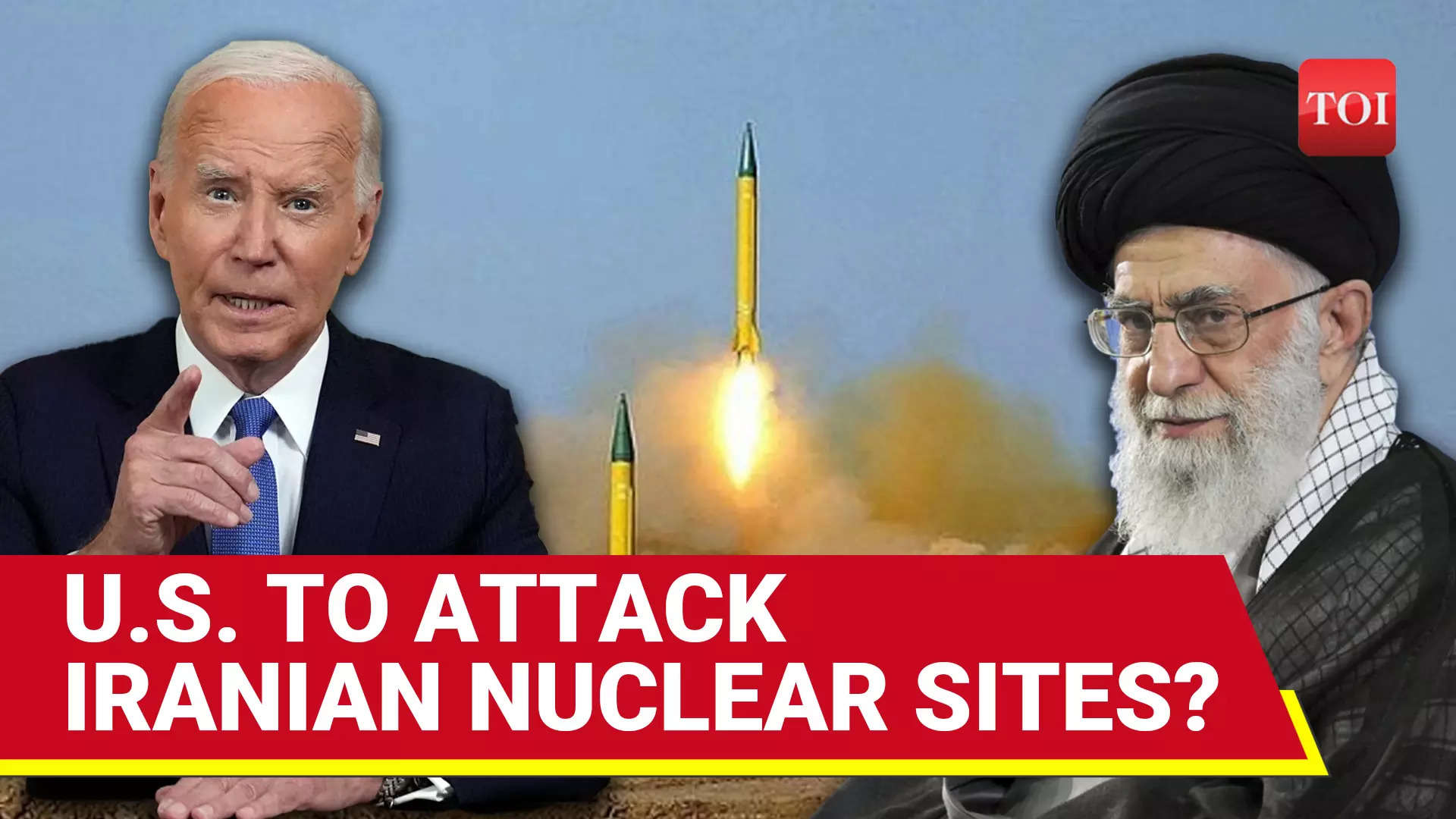
President Trump asserted that the United States possesses the capability to execute this “total destruction” within four hours, stating that the entire country could be “wiped out in one night,” and suggesting this could happen as early as the following evening. The Strait of Hormuz remains a critical chokepoint for global energy supplies, making its accessibility a primary driver of U.S. Foreign policy in the region.
Infrastructure Risks and Civilian Impact
The threats against Iranian infrastructure are not merely rhetorical. Reports indicate that a major highway bridge was already bombed during the previous week via Kurier. Experts warn that such strikes on central infrastructure could have devastating consequences for the civilian population.
Iran’s infrastructure, while strained by international sanctions, is relatively modern and well-developed, particularly in major metropolitan areas like Tehran, Isfahan, and Mashhad. Much of this development was achieved with Chinese support over the last several decades. With a population of approximately 90 million people, the potential destruction of power grids and transport networks would likely trigger a humanitarian crisis of massive proportions via Kurier.
While the rail network has been expanding to support international trade, the aviation sector remains fragile due to a lack of spare parts and aging aircraft. Further strikes on bridges and energy hubs would likely paralyze the movement of goods and essential services across the country’s vast geography, which is roughly four times the size of Germany.
Key Geopolitical Implications
| Stakeholder | Current Status/Impact | Strategic Result |
|---|---|---|
| Russia | Receiving additional funds from the crisis | Increased funding for the war in Ukraine |
| USA | Threatening total infrastructure destruction | Pressure to open the Strait of Hormuz |
| Ukraine | Peace talks with Russia suspended | Delayed diplomatic resolution of the war |
| Iran | Facing threats to power plants and bridges | Risk of civilian humanitarian crisis |
The interplay between these three theaters—the Persian Gulf, the Ukrainian front, and the diplomatic halls of Washington and Moscow—reveals a dangerous trend. As the U.S. Focuses its military threats on Iran, Russia is positioned to exploit the vacuum, converting Middle Eastern instability into a tangible military advantage in Europe.
The international community now awaits whether the U.S. Will follow through on the threat of total infrastructure destruction or if a diplomatic opening regarding the Strait of Hormuz can be reached to prevent a full-scale regional collapse.
There are currently no officially scheduled dates for the resumption of the Ukraine-Russia peace talks. Further updates will depend on the outcome of the U.S.-Iran standoff.
We invite our readers to share their perspectives on these geopolitical developments in the comments section below.
Worth a look