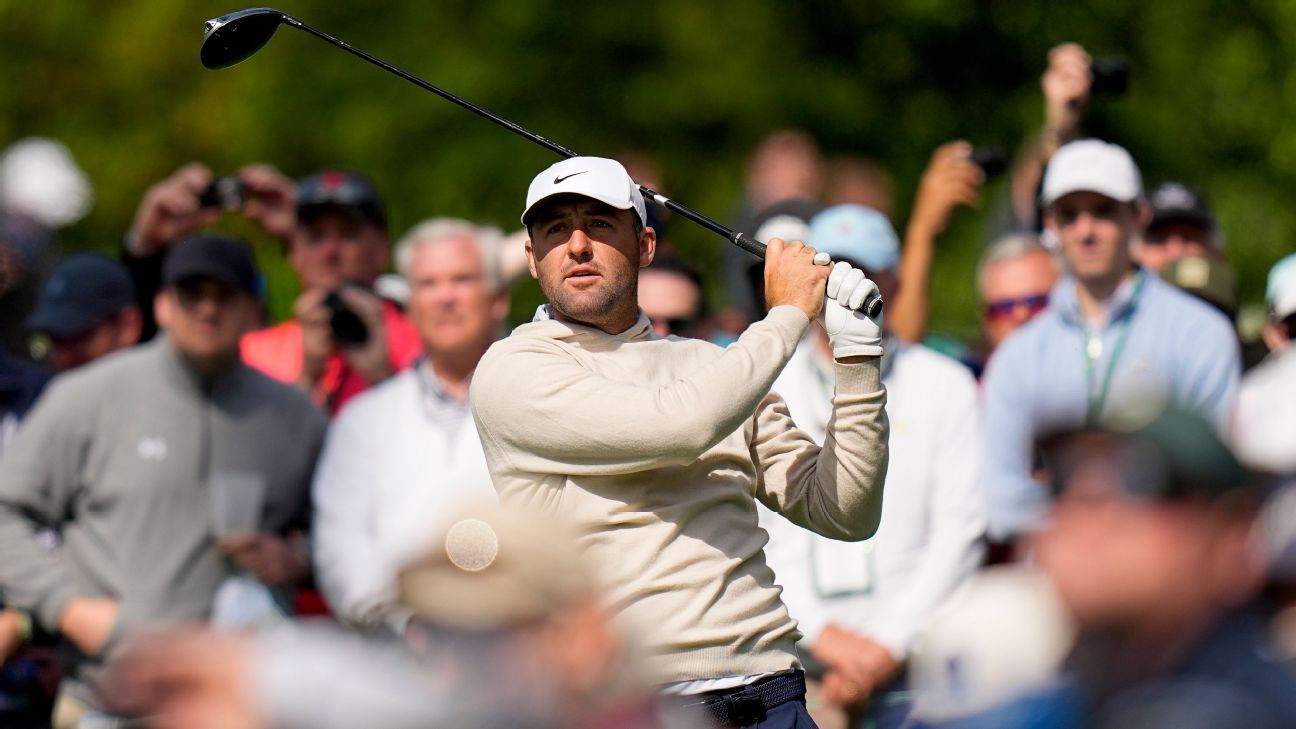
For decades, the atmosphere at Augusta National was defined by the gravitational pull of singular, larger-than-life personalities. The roar of the galleries and the intensity of the media circus typically centered around the “winning-is-everything” ethos of icons like Tiger Woods and Phil Mickelson. However, as the 2026 Masters unfolds, the golf world is witnessing a shift in energy. Scottie Scheffler brings different vibes to Augusta than other star golfers, offering a blueprint for superstardom that prioritizes stability over spectacle.
The contrast is starkly highlighted this year by the absence of the sport’s two most charismatic veterans. For the first time since 1994, both Tiger Woods and Phil Mickelson are missing from the Masters field. Woods is reportedly facing legal troubles and is in treatment following a recent car accident, whereas Mickelson is absent due to a “personal health matter.” While the game has had time to adjust to a post-Tiger and Phil era, their combined absence leaves a void in the traditional “buzz” and crowd noise that once defined the tournament.
Into this void steps Scheffler, the current biggest name and best player in the game. Unlike the chaotic energy and off-course soap operas that often trailed his predecessors, Scheffler operates with a quiet, faith-balanced composure. He is a two-time Masters champion who views the game through a lens of detachment, famously stating that he does not want winning and losing to define him. This psychological approach marks a departure from the aggressive, all-consuming dominance that characterized the peak years of Woods and Mickelson.
The shift is not just mental, but behavioral. In an era of curated social media personas and massive entourages, Scheffler remains an anomaly. He has admitted to not knowing how to use Instagram, leading to sporadic posting. On the Wednesday of the current tournament, he was observed walking through the crowds to the practice green alone, carrying his own putter without the accompaniment of a caddie, security, or a supporting entourage.
A New Kind of Superstardom in Professional Golf
The transition from the era of Tiger and Phil to the era of Scheffler represents a broader evolution in how athletes interact with their public image. Patrick Reed noted this week that the absence of Woods and Mickelson “hurts the game” given that of their charisma and competitiveness. However, Scheffler provides a different kind of value—a steady, reliable excellence that is less about the “roars” and more about the clinical execution of the sport.
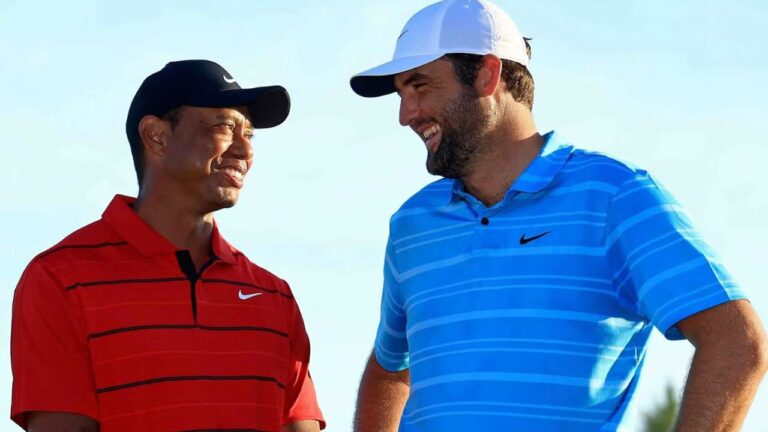
Statistically, Scheffler’s rise has been meteoric, placing him in a historical category that invites comparison to the greats. After 151 PGA Tour starts, Scheffler has collected 20 Tour victories according to career statistics. This efficiency in winning has fueled a growing conversation regarding his eventual place among the all-time greats, especially after adding his third and fourth major titles to his resume in 2025.
While Woods and Mickelson drove the sport through a combination of brilliance and controversy, Scheffler is seen as a well-adjusted family man from Texas. His presence at Augusta National suggests that a player can reach the pinnacle of the sport without the require for a high-drama public persona. This “different kind of superstar” approach may be a positive evolution for the game, shifting the focus back to the purity of the competition rather than the celebrity surrounding the competitors.
The Impact of the ‘Quiet’ Approach on Augusta National
The environment at Augusta National is traditionally one of extreme prestige and rigid tradition. While the “chaos” of previous stars often clashed or merged with these traditions to create high-tension drama, Scheffler’s demeanor blends seamlessly into the landscape. His ability to remain soft-spoken and grounded despite being the world’s top player changes the dynamic of the gallery’s interaction with the leaders.
This lack of pretension is evident in his daily routines. The image of the world’s best golfer walking alone to the practice green, unnoticed by many in the crowd, serves as a visual metaphor for his entire career. He is not seeking the spotlight; the spotlight simply finds him because of his performance on the course.
For the fans and the sport, this means the “buzz” is different. This proves no longer about the potential for a dramatic outburst or a legendary clash of egos. Instead, it is an appreciation for a master craftsman who views golf as a part of his life, rather than the entirety of his identity. By decoupling his self-worth from the result of a tournament, Scheffler maintains a level of mental clarity that allows him to perform under the most intense pressure in sports.
Comparing the Eras of Dominance
| Feature | Tiger/Phil Era | Scheffler Era |
|---|---|---|
| Public Persona | Charismatic, chaotic, high-profile | Soft-spoken, faith-balanced, private |
| Approach to Winning | Winning-is-everything ethos | Detached; winning does not define him |
| Media Presence | Global celebrity, high-drama | Sporadic social media, low-profile |
| Gallery Interaction | Loudest roars, massive entourages | Understated, often walks alone |
What This Means for the Future of the Game
The current state of the Masters highlights a pivotal moment in golf’s history. The sport is moving away from the era of the “super-celebrity” athlete and toward a model of the “elite professional.” As the game continues to adjust to the absence of the 50-something legends, the emergence of players like Scheffler proves that the sport remains relevant even without the traditional fireworks.
The conversation is no longer just about whether a player can match Tiger Woods’ peak dominance, but whether they can sustain that excellence while maintaining a balanced personal life. Scheffler’s success suggests that the “winning-is-everything” mentality is not the only path to the top. A faith-centered, family-oriented approach can be just as effective, if not more sustainable, in the long run.
As the tournament progresses, the focus remains on Scheffler’s ability to navigate the complexities of Augusta National. With his track record as a two-time champion and his recent surge in major titles, he remains the favorite, regardless of whether he generates the same noise as the stars of the past.
The golf world now awaits the final rounds to observe if this quiet composure will once again lead to a Green Jacket. The next official update on the leaderboard and tournament standings will be provided as the final rounds conclude this weekend.
Do you think the “quiet superstar” model is better for the sport than the high-drama era of Tiger and Phil? Share your thoughts in the comments below.
Related reading