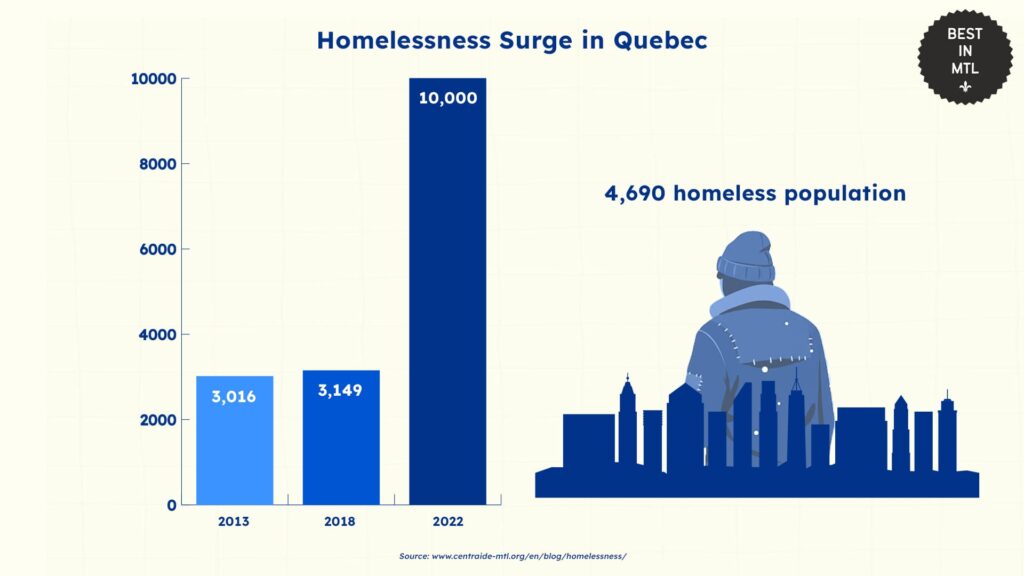
The crisis of housing insecurity in Quebec is undergoing a significant geographical shift. While urban centers have long been the primary focus of social services, there is now a marked increase in rising homelessness in Montreal’s crown—the suburban rings and surrounding municipalities that orbit the city’s core.
This expansion of homelessness beyond the downtown skyline suggests a systemic failure in housing stability that is no longer confined to the inner city. As the cost of living climbs, the “crowns” of Montreal are seeing an explosion of individuals without stable housing, stretching the resources of suburban municipalities that were previously less equipped to handle large-scale homelessness.
The trend is not isolated to the Montreal region. Across the province of Quebec, homelessness has reached a fresh peak, reflecting a broader provincial struggle to maintain affordable housing and support systems for vulnerable populations. This growth is characterized by an increase in “visible homelessness,” where individuals are forced to seek shelter in public spaces, parks and makeshift camps.
The Suburban Shift: Homelessness in the Montreal Crown
For decades, the struggle for housing in the province was viewed largely as an urban phenomenon. However, the current data indicates that the periphery of Montreal is now experiencing a surge in housing instability. This shift into the suburban crowns means that individuals are increasingly displaced from the city center, often moving toward the outskirts in search of cheaper alternatives or fleeing the saturation of urban shelters.
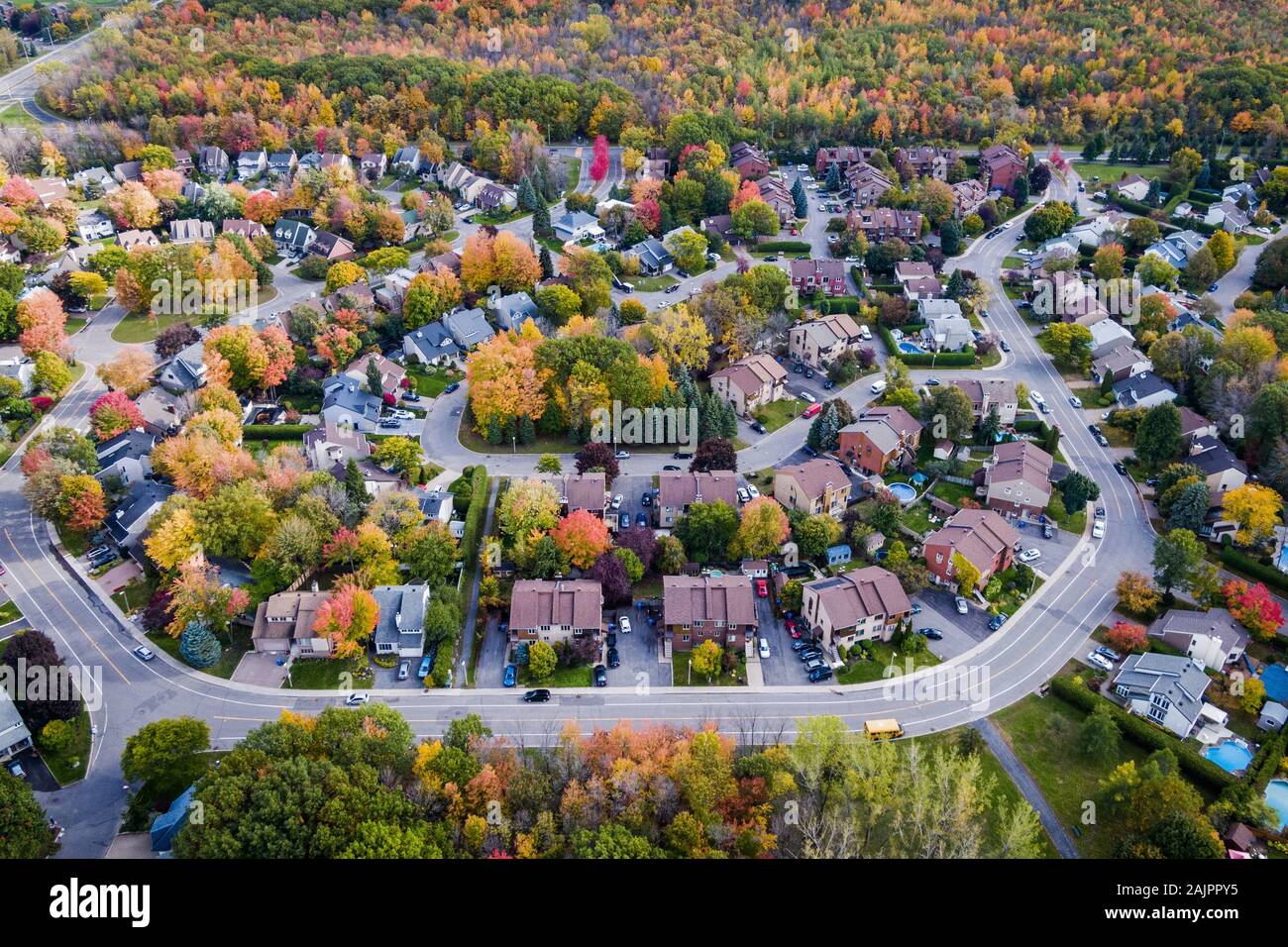
Montreal, the largest city in Quebec and the second-largest in Canada, is structured around several boroughs and a vast urban agglomeration including areas like Ville-Marie and Saint-Laurent. As the city continues to grow, the pressure on the surrounding “crown” municipalities increases, leaving those without support systems more exposed in areas where social infrastructure is often thinner than in the downtown core.
Provincial Trends and the Rise of Visible Homelessness
The scale of the current crisis is evidenced by the sharp rise in visible homelessness throughout the province. Reports indicate that visible homelessness has climbed by 20% in Quebec since 2022 via Journal de Québec. This metric specifically tracks those who are seen in public spaces, though This proves widely understood that this represents only a portion of the total population experiencing housing insecurity.
the trend is accelerating “in the regions,” meaning that smaller towns and rural areas outside of the major metropolitan hubs are seeing a rise in people without homes. This suggests that the housing crisis is no longer just a byproduct of urban density but a widespread provincial issue affecting various demographics across different geographies.
Systemic Pressures on Quebec’s Infrastructure
The increase in rising homelessness in Montreal’s crown and across Quebec highlights a critical gap in the current social safety net. When homelessness “explodes” in suburban areas, it often catches local governments off guard, as these regions may lack the specialized shelters, outreach teams, and mental health services concentrated in the city center.
The provincial trend toward a “new peak” in homelessness suggests that the current rate of housing loss is outpacing the creation of affordable units. For residents in the Montreal region, this creates a domino effect: as downtown rents turn into unattainable, the pressure moves outward, eventually pushing the most vulnerable into the suburban crowns where they remain hidden from traditional urban support networks until they become “visible” in public spaces.
Key Takeaways on Quebec’s Housing Crisis
- Suburban Expansion: Homelessness is rapidly increasing in the municipalities surrounding Montreal (the “crowns”).
- Provincial Peak: Quebec has reached a new high in overall homelessness levels.
- Statistical Surge: Visible homelessness across the province has risen by 20% since 2022.
- Regional Spread: The crisis is increasingly evident in regional areas outside of major cities.
As the province grapples with these figures, the focus is shifting toward how to distribute resources more equitably between the urban core and the expanding suburban and regional zones of instability.
There are currently no scheduled public hearings or official government release dates for new housing mandates provided in the available data. However, the continued rise in visible homelessness remains a primary point of concern for municipal leaders and social organizations across Quebec.
World Today Journal encourages readers to share this report and join the conversation on housing stability in the comments below.
- El cantante estadounidense Chris Brown se declaró culpable de un cargo de affray por … – Instagram
- Sisa Kuota Internet Itu Tak Lagi Hilang Sia-sia – detikNews
- Alex Eala’s Historic Wimbledon Run Sparks Tennis Surge Across Philippines (time.news)
- Austin Struggles with Affordable Housing Crisis (news-usa.today)