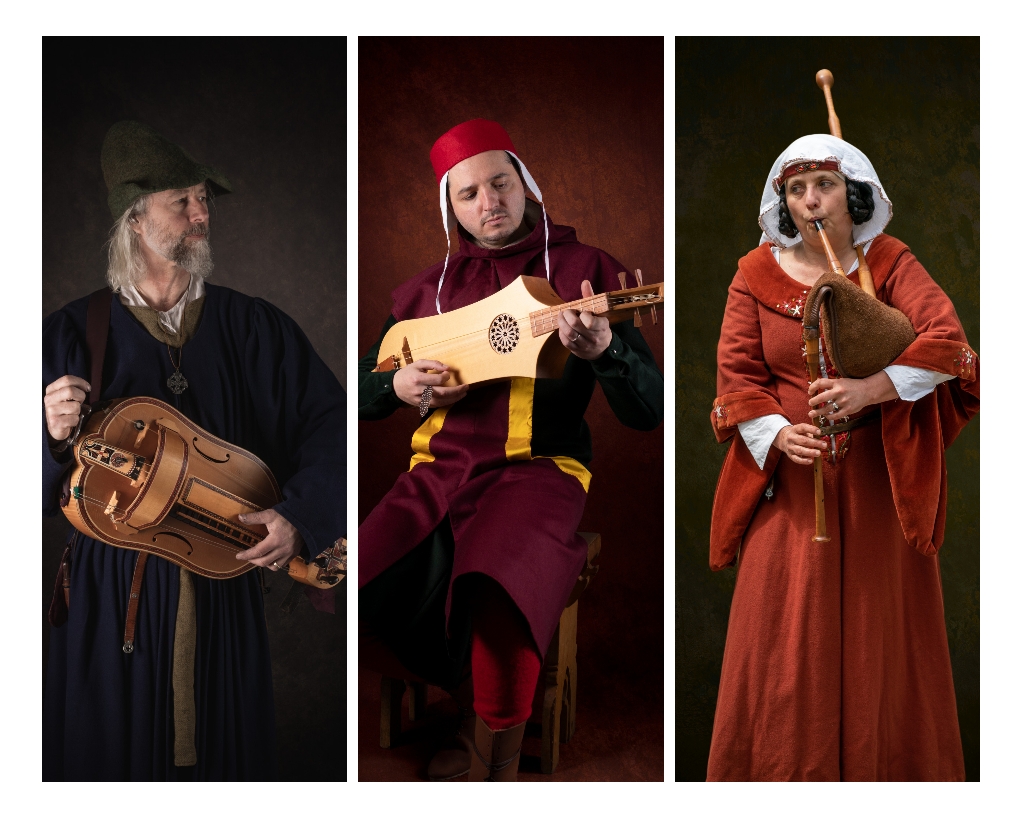
The intersection of faith and artistry often finds its most profound expression through the medium of choral music. In a celebration of this enduring connection, the Castelli Romani libraries have highlighted a weekend of music focused on the themes of faith and beauty, specifically examining the evolution of musica sacra (sacred music) and its relationship with secular compositions.
This exploration delves into how music served as a bridge between the divine and the earthly, moving seamlessly from the sanctuary of the church to the opulent halls of royal courts and the emerging bourgeois environments. By examining the works of various ensembles, the event underscores the historical fluidity between sacred and profane music, demonstrating that the pursuit of beauty often transcends religious boundaries.
The program emphasizes the role of the Vocalensemble in bringing these historical narratives to life. Through carefully curated performances, the event aims to illustrate how musical styles evolved to meet the spiritual needs of the clergy while simultaneously catering to the cultural tastes of the nobility and the middle class, creating a rich tapestry of sound that defines the European musical heritage.
The Duality of Sacred and Profane Music
A central theme of the weekend is the coexistence of sacred and profane music. Historically, the line between these two genres was often blurred. Sacred music, designed for worship and the glorification of God, frequently shared compositional techniques and melodic structures with profane music, which was intended for entertainment, social gatherings, and courtly love.
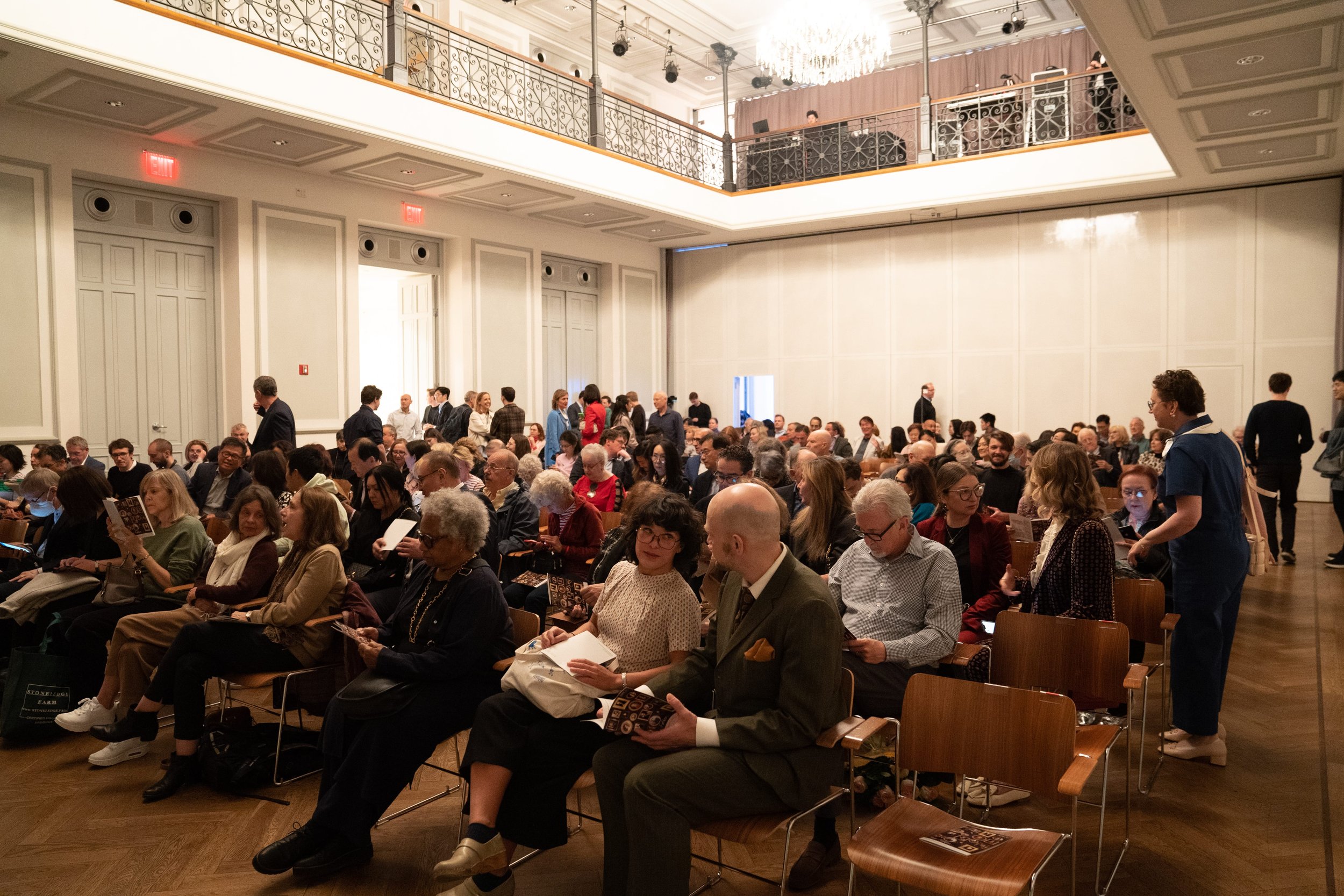
This duality was particularly evident in the courts and bourgeois settings of the era. Musicians were often employed to compose for both the chapel and the ballroom, leading to a cross-pollination of styles. The influence of the church provided a foundation of formal structure and polyphony, while the secular world introduced more rhythmic vitality and emotional immediacy.
The presence of these musical forms in ecclesiastical environments likewise suggests a reciprocal influence. Even within the walls of the church, elements of secular music occasionally seeped into the liturgy, reflecting the human experience and the cultural climate of the time. This interplay highlights the universal nature of music as a tool for both spiritual transcendence and social expression.
The Role of the Vocalensemble in Musical Preservation
The performance by the Vocalensemble serves as a critical component of this cultural exploration. By specializing in the interpretation of early and classical works, such ensembles act as living archives, preserving the nuances of performance practice that might otherwise be lost to time.
The ensemble’s approach to the repertoire involves not only the technical execution of the notes but also an understanding of the historical context in which the music was written. This includes the use of period-appropriate phrasing and an awareness of the acoustic environments—such as the reverberant spaces of cathedrals—for which the music was originally composed.
Through their concert, the Vocalensemble demonstrates the enduring relevance of these compositions. Whether performing a solemn mass or a lighthearted secular piece, the ensemble bridges the gap between the historical record and the modern listener, making the “faith and beauty” of the past accessible to a contemporary audience.
Cultural Impact and the Castelli Romani Context
Hosting this event within the Biblioteche Castelli Romani underscores the importance of libraries as centers for multidisciplinary cultural engagement. By pairing musical performances with a library setting, the organizers create an environment where the auditory experience is supported by intellectual inquiry and historical research.
The Castelli Romani region, known for its rich history and architectural heritage, provides an ideal backdrop for a weekend dedicated to the synergy of faith and beauty. The integration of music into the library’s programming encourages visitors to explore the intersection of literature, history, and art, fostering a deeper understanding of how these elements collectively shape cultural identity.
This initiative reflects a broader trend in cultural curation, where the goal is to move beyond static exhibits and instead offer immersive experiences. By focusing on the transition of music from courts to churches and bourgeois homes, the event provides a comprehensive look at the social history of music in Europe.
For those seeking further information on upcoming cultural events or historical archives related to choral music, the official portals of the local libraries and regional cultural departments remain the primary sources for verified schedules and programming updates.
Please share your thoughts on the intersection of sacred and secular art in the comments below.