
In the modern medical landscape, the intersection of patient care and digital infrastructure has created a critical vulnerability. As health systems increasingly rely on integrated networks, the risk of IT outages caused by ransomware and sophisticated cyber-attacks has shifted from a theoretical IT concern to a primary patient safety issue. When critical systems go offline, the impact is felt immediately in the corridors of hospitals and the desks of clinicians.
For healthcare leaders, the challenge is no longer just about preventing a breach, but about ensuring healthcare cyber resilience—the ability of a medical facility to maintain essential clinical operations even while under a digital assault. This requires a fundamental rethink of how care continues when electronic health records (EHR), diagnostic imaging systems, and core communication platforms become inaccessible.
The priority for Chief Information Security Officers (CISOs), IT directors, and clinical operations leaders is now focused on the “downtime” reality. The goal is to ensure that clinicians can safely treat patients without the digital tools they have come to depend on, preventing a total collapse of care delivery during a system outage.
This shift in strategy is driving organizations toward a comprehensive resilience model. By combining rigorous prevention with rapid recovery protocols, business continuity planning, and automation, health systems aim to bridge the gap between a system failure and the restoration of full digital services.
The Role of the CISO in Clinical Continuity
The role of the Chief Information Security Officer has evolved significantly since the position first emerged in the mid-1990s. According to records from Cybersecurity Ventures, the CISO role dates back to 1994, when Citigroup (then Citicorp) established a specialized cybersecurity office following a series of attacks by Russian hackers. Today, this role is central to the survival of healthcare institutions.
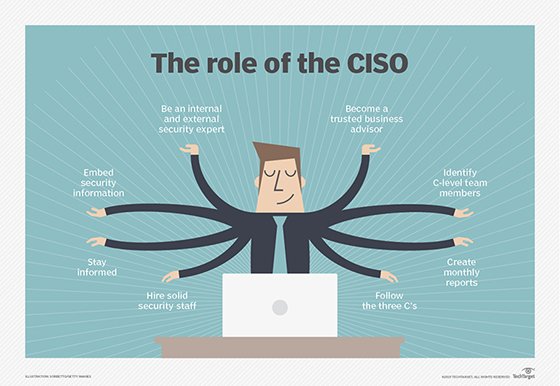
In a healthcare setting, the CISO does not merely manage firewalls; they act as the bridge between the boardroom’s risk appetite and the clinical reality of the ward. They must translate complex technical threats into business risks and budget requirements that the board can understand, while ensuring that security measures do not hinder the speed of patient care.
Modern security leaders are increasingly focusing on proactive threat intelligence. As noted by GrackerAI, CISOs are balancing boardroom pressure and regulatory requirements while managing security teams that are often stretched thin. To combat this, many are turning to strategies involving Zero Trust architectures, identity management, and cloud security to reduce the attack surface of the hospital network.
Strategies for Maintaining Clinical Operations During Downtime
True resilience is measured by the ability to provide safe care during a “blackout.” When electronic health records (EHR) are unavailable, the risk of medication errors, missed diagnostic results, and delayed surgeries increases. To mitigate these risks, healthcare organizations are implementing several layers of continuity planning:
- Business Continuity Planning (BCP): Establishing clear, analog protocols for patient registration, medication administration, and charting. This includes “paper-down” drills where staff practice treating patients without any digital assistance.
- Rapid Recovery Protocols: Implementing automated recovery tools that can restore critical data from immutable backups, reducing the time it takes to get essential systems back online.
- Clinical Automation: Utilizing automation not just for efficiency, but to maintain basic operational flows during partial outages, ensuring that high-priority patient data is cached or available through redundant channels.
- Diagnostic Redundancy: Ensuring that diagnostic systems—such as radiology and laboratory platforms—have standalone modes or secondary access points that do not rely on the primary compromised network.
The Impact on Patient Safety
The transition from digital to manual operations is where the highest risk to patient safety occurs. Without access to a patient’s medical history, allergies, or current medication list, clinicians must rely on patient self-reporting or manual searches of physical files. Cyber resilience strategies aim to minimize this “information gap” by ensuring that the most critical patient data is mirrored in a secure, offline-accessible format.
The Future of Healthcare Security Leadership
As the threat landscape evolves, the profile of the security leader in healthcare is changing. The focus is shifting from a purely defensive posture to one of “resilience,” which assumes that a breach will eventually occur. The objective is to minimize the blast radius of such an event.
Industry trackers, such as those provided by Cyber Magazine, highlight the growing importance of experienced executives who can navigate the complexities of the U.S. Healthcare infrastructure. These leaders are tasked with proving the ROI of security investments not by the absence of attacks, but by the speed and efficiency of the recovery process.
The integration of XDR (Extended Detection and Response) and CNAPP (Cloud-Native Application Protection Platforms) is becoming standard for organizations looking to protect their cloud-based health data. These tools allow security teams to identify threats in real-time and isolate infected segments of the network before they can trigger a full-scale system outage.
Key Takeaways for Healthcare Administrators
- Prevention is not enough: Organizations must plan for the inevitability of an outage and prioritize “safe-fail” mechanisms.
- Interdisciplinary Collaboration: Cyber resilience requires a partnership between the CISO, the Chief Medical Officer, and clinical staff to ensure recovery plans are practically viable in a ward setting.
- Regular Testing: Recovery plans are only effective if they are tested through simulated ransomware attacks and system failures.
- Focus on ROI: Security investments should be measured by their ability to reduce measurable risk and maintain clinical uptime.
As health systems continue to digitize, the boundary between IT security and patient safety will continue to disappear. The ability to maintain care during a digital crisis is no longer a luxury—it is a clinical necessity.
For those tracking the evolution of cybersecurity leadership, the monthly updates to the CISO 500 list provide a snapshot of who is leading the charge in protecting the nation’s largest businesses and healthcare providers.
We welcome your thoughts and experiences with healthcare IT resilience in the comments below. Please share this guide with colleagues in clinical operations and health administration to foster a broader conversation on patient safety in the digital age.