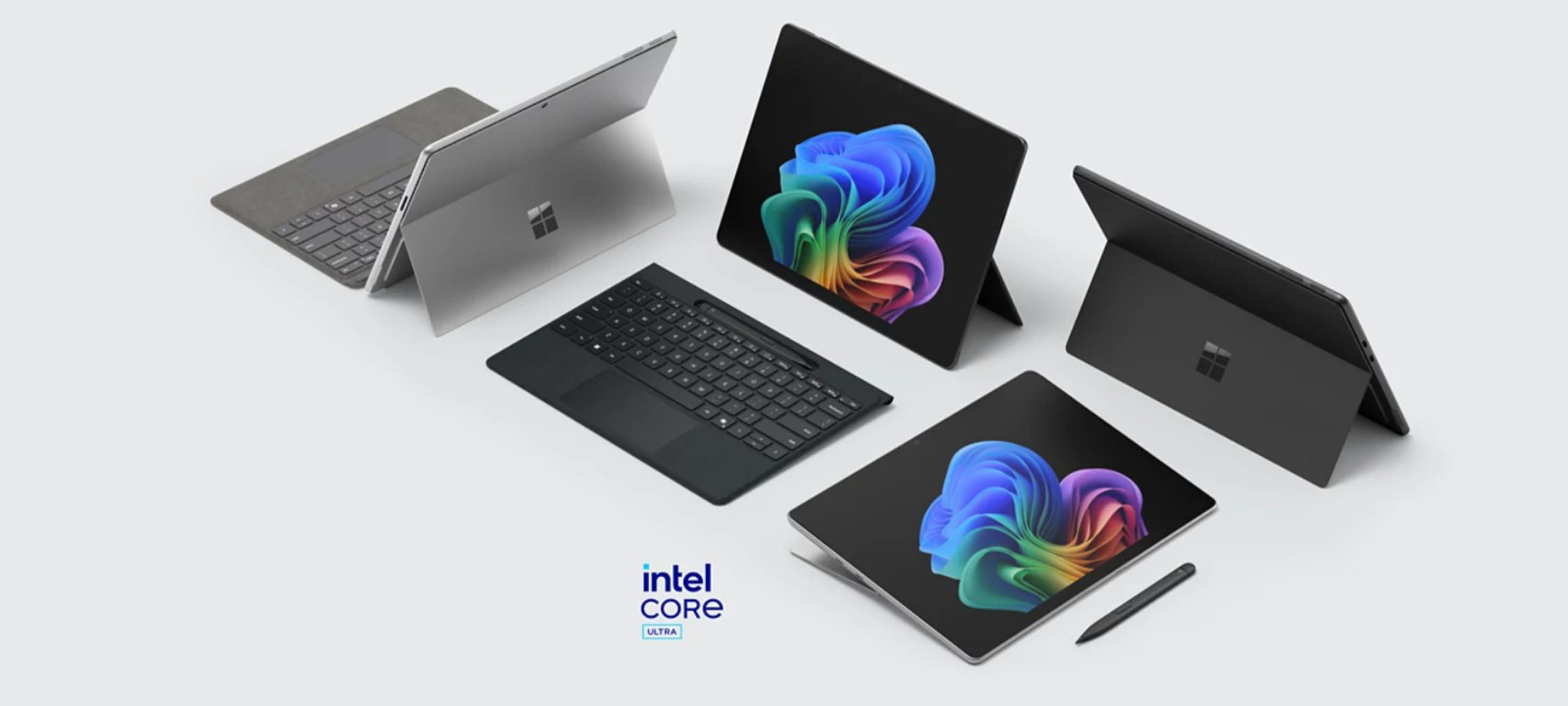
The landscape of portable computing is shifting rapidly as artificial intelligence integrates directly into hardware. For professionals and students seeking a balance between tablet flexibility and laptop power, the Microsoft Surface Pro Intel Copilot+ represents a strategic intersection of versatility and AI-driven performance.
As a technology editor with a background in software engineering, I have watched the Surface line evolve from a simple tablet experiment into a cornerstone of the 2-in-1 market. The latest iterations, specifically those branded as Copilot+ PCs, are designed to handle more than just standard productivity; they are built to leverage neural processing units (NPUs) to accelerate AI tasks locally on the device.
The current market offers a diverse range of configurations, including options powered by Intel and Snapdragon processors. Although the Intel-based models maintain a traditional level of software compatibility, the introduction of Copilot+ capabilities ensures that these devices can support advanced AI features, providing a seamless transition between a portable slate and a high-performance workstation.
Understanding the Copilot+ PC Ecosystem
The “Copilot+” designation is not merely a marketing term but a set of hardware requirements designed to optimize AI performance. These devices are engineered to provide exceptional performance and all-day battery life, ensuring that users can maintain productivity without being tethered to a power outlet via the Microsoft Store.
For the business sector, the 13-inch Surface Pro for Business Copilot+ PC (Intel) emphasizes an ultra-versatile design. This allows users to switch from a tablet interface for presentations or digital sketching to a full laptop experience for complex data analysis and document creation. The integration of Intel architecture in these Copilot+ models ensures a broad range of application support while benefiting from the AI enhancements provided by the Windows 11 ecosystem.
Hardware Specifications and Variety
Microsoft has diversified the Surface Pro lineup to cater to different performance tiers. While Intel remains a staple for business and compatibility, there are likewise versions featuring Snapdragon processors. For instance, the Surface Pro 11th Edition is available with the Snapdragon X Plus (10 Core) or the more powerful Snapdragon X Elite (12 Core) processor via the Microsoft Store.
In terms of display and memory, the lineup includes 13-inch screen sizes as well as configurations with a 12-inch touchscreen. Some models, such as those found at Best Buy, feature 16GB of memory and 256GB of UFS storage, running Windows 11 Home via Best Buy.
Comparing Intel and Snapdragon Options
Choosing between the Intel-based Copilot+ PC and the Snapdragon-powered versions often comes down to the specific needs of the user’s software stack. Intel processors have long been the standard for Windows compatibility, making the Intel Copilot+ model a safe bet for those utilizing legacy enterprise software.
Conversely, the Snapdragon X series—including the Plus and Elite variants—aims to challenge the status quo by offering high-efficiency ARM-based architecture. This shift is designed to improve battery longevity and thermal management, which are critical for users who rely on their devices for extended periods away from a charger.
| Processor Type | Core Configurations | Primary Focus |
|---|---|---|
| Intel | Standard Intel Architecture | Business Versatility & Compatibility |
| Snapdragon X Plus | 10 Core | Efficiency & AI Performance |
| Snapdragon X Elite | 12 Core | High-End Power & AI Processing |
The Role of AI in Productivity
The integration of Copilot+ means that AI is no longer just a cloud-based service but a local capability. This allows for faster response times and enhanced privacy, as more processing happens on the device’s own hardware. Whether it is automating repetitive tasks, summarizing long documents, or assisting in creative workflows, the hardware is optimized to reduce the latency typically associated with AI tools.
For the global professional, this means a reduction in the “friction” of digital perform. The ability to have an AI assistant integrated into the operating system—supported by the NPU in the Surface Pro—allows for a more fluid interaction with the computer, moving away from traditional menu-diving toward more natural, intent-based computing.
Key Takeaways for Buyers
- Versatility: The 2-in-1 design remains the primary draw, combining tablet portability with laptop power.
- AI Readiness: Copilot+ PCs are specifically built to handle next-generation AI workloads locally.
- Processor Choice: Intel models are ideal for maximum software compatibility, while Snapdragon X models offer competitive efficiency and core counts.
- Screen Options: Devices are available in 12-inch and 13-inch configurations depending on the specific model and retailer.
As we move further into 2026, the distinction between a “laptop” and a “tablet” continues to blur. The Microsoft Surface Pro Intel Copilot+ is a testament to this convergence, providing a tool that adapts to the user’s environment rather than forcing the user to adapt to the hardware.
For those looking for the latest official updates on configurations and pricing, it is recommended to visit the official Microsoft Store or authorized retailers to ensure the hardware meets your specific software requirements.
We welcome your thoughts on the shift toward AI-integrated hardware. Does the promise of a Copilot+ PC change how you view your mobile workstation? Share your experiences in the comments below.
Worth a look