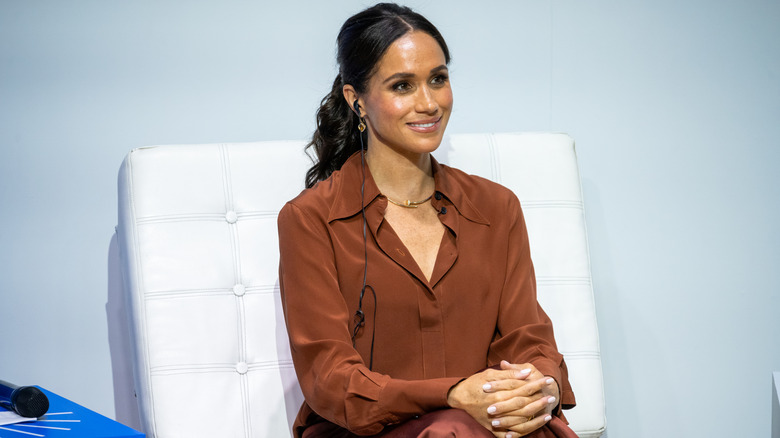
The transition from a private citizen to a senior member of the British Royal Family is rarely seamless, but for Meghan Markle, the journey was marked by a persistent tension between personal agency and institutional tradition. Reports concerning her tenure as a working royal often highlight a fundamental clash: the desire of the Duchess of Sussex to do things her way versus the rigid expectations of the monarchy.
This friction reportedly manifested in various ways, from the management of her public image to the handling of royal protocols. The struggle for autonomy within the palace walls eventually culminated in the couple’s decision to step back from their roles, a move that continues to spark debate among royal observers and the public alike.
While the public image of the monarchy is one of unwavering stability, the internal dynamics involving Meghan Markle were often characterized by significant stress. According to reports, the pressures exerted by the couple caused “unforgivable” stress for Queen Elizabeth II during the final years of her life, as noted by some authors analyzing the period detailing the Queen’s final years.
The Ultimatum and the Departure from Royal Life
The tension between the Duchess of Sussex and the royal establishment reached a critical point before the couple’s official exit. It has been reported that Prince Harry was given an ultimatum by Queen Elizabeth II before he chose to leave royal life, signaling a definitive break in the relationship between the Prince and the crown’s expectations of duty, and discretion.
The atmosphere during this period was reportedly fraught with suspicion. Some reports indicate that Queen Elizabeth II harbored fears that Harry and Meghan may have secretly recorded her, adding a layer of distrust to an already strained familial dynamic. These allegations point to a profound breakdown in communication and trust, contrasting sharply with the curated image of royal unity.
The departure was not merely a change in employment status but a complete pivot in lifestyle and brand. By stepping away from their roles as senior royals, Harry and Meghan sought to establish a new identity in North America, free from the constraints of the “firm.” However, this transition has not been without its own set of public challenges and critiques.
Navigating Life Beyond the Palace
Since relocating to the United States, the couple has attempted to carve out a niche in the entertainment and philanthropic sectors. However, the transition from royal duties to private enterprise has met with mixed results. For instance, Meghan Markle’s aspirations in the lifestyle space—often compared to the success of figures like Martha Stewart—have become a subject of public mockery. Comedians have pointedly referenced her efforts, with some suggesting she was “slinging jam” in a failed attempt to establish a lifestyle empire.
The couple’s movements continue to be scrutinized by the British press and royal commentators. Recent reports suggest that the Royal Family maintains “no control” over the decisions made by the couple, including potential travels. This was highlighted in discussions regarding a potentially “ill-advised” trip to Australia, emphasizing the total disconnect between the current royal administration and the Duke and Duchess of Sussex regarding their independent travel.
The Impact of Institutional Friction
The desire to “do things her way” often clashed with the centuries-old protocols of the British monarchy. In a system where the individual is expected to be subsumed by the institution, Meghan’s approach—rooted in American celebrity culture and a modern sense of individual branding—created a fundamental mismatch. This mismatch is often cited as the catalyst for the nicknames and labels that have followed her, ranging from descriptions of her being “difficult” to accusations of being a “control freak.”
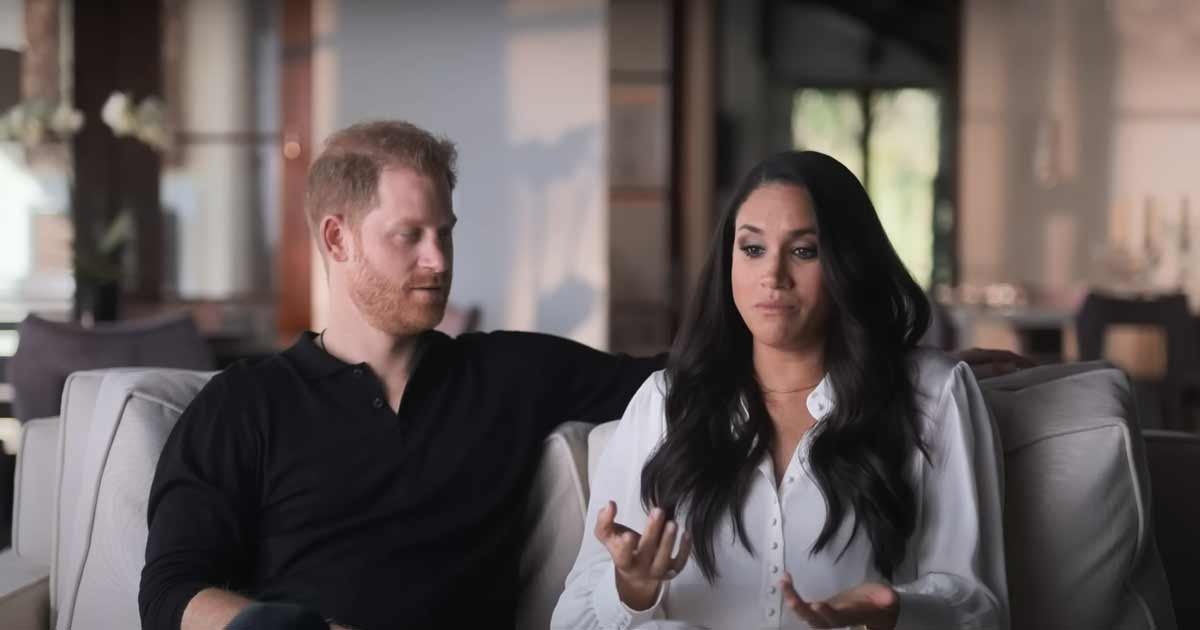
For the monarchy, the issue was not simply a difference in personality, but a challenge to the hierarchy. The stress caused to the late Queen Elizabeth II suggests that the conflict was not merely administrative but deeply personal, impacting the emotional well-being of the sovereign in her final years.
Key Takeaways on the Sussex-Windsor Divide
- Institutional Clash: The core of the conflict stemmed from Meghan Markle’s desire for autonomy and “doing things her way” versus the rigid expectations of the Royal Family.
- Emotional Toll: Reports indicate that the friction caused significant stress for Queen Elizabeth II, including fears of secret recordings.
- The Ultimatum: Prince Harry reportedly received a final ultimatum from the Queen before his departure from royal duties.
- Post-Royal Struggles: The couple’s transition to private life has been marked by both philanthropic efforts and public criticism of their commercial ventures.
- Loss of Control: The Royal Family now has no formal authority over the couple’s international travels or professional decisions.
As the Duke and Duchess of Sussex continue to navigate their roles as global public figures, the legacy of their time as working royals remains a cautionary tale of the difficulties in blending modern celebrity with ancient tradition. The lack of coordination between the couple and the palace suggests that the bridge between them remains largely unbuilt.
Notice currently no further officially scheduled royal updates or joint filings regarding the couple’s status with the monarchy. We invite our readers to share their thoughts on the evolution of the Sussexes’ public roles in the comments below.
Related reading