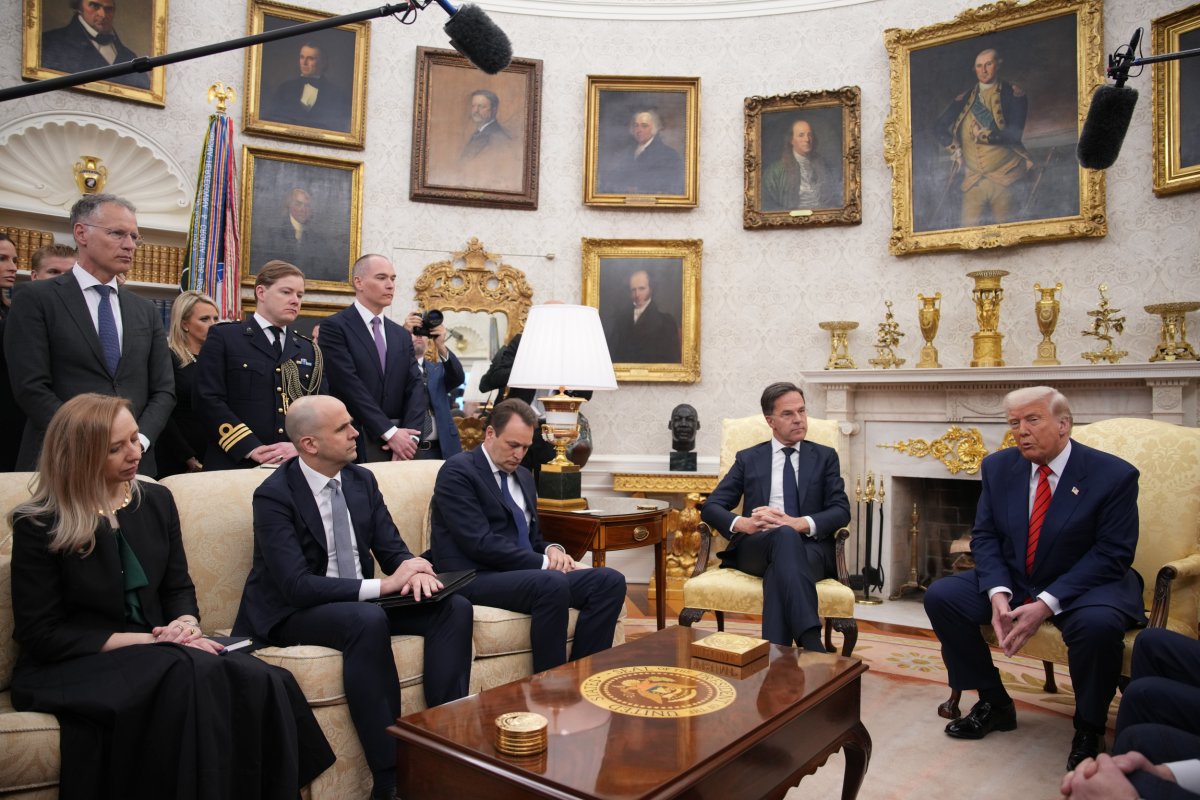
Reports indicate that a federal appeals court has temporarily authorized the continuation of construction on the new White House ballroom, a project that has recently turn into a flashpoint for political debate. The legal clearance comes amid a growing White House ballroom steel controversy involving allegations that the administration accepted significant donations of foreign-made materials for the structure.
The controversy centers on the origin of the steel used in the project and the apparent contradiction between these materials and President Donald Trump’s long-standing public commitment to the American steel industry. While the President has frequently positioned himself as a champion of domestic production, reports suggest that a substantial portion of the ballroom’s framework may be sourced from Europe.
At the heart of the dispute is ArcelorMittal, a Luxembourg-based firm and the world’s second-largest steel maker. According to reporting from The New York Times, the company is donating tens of millions of dollars of foreign steel for the ballroom’s construction.
The ArcelorMittal Connection and Foreign Sourcing
The revelation that a European steelmaker is providing materials for a high-profile White House project has drawn criticism from observers who point to the administration’s “Buy American” rhetoric. ArcelorMittal, which operates globally but is headquartered in Luxembourg, is reportedly supplying steel produced in Europe for the ballroom structure produced in Europe.

The use of foreign steel in a project of this nature is particularly sensitive given the President’s history of claiming credit for “saving” the U.S. Steel industry. The contrast between the administration’s trade policies—which often emphasize domestic manufacturing and tariffs on foreign imports—and the acceptance of donated European steel has led to accusations of hypocrisy on social media platforms including Facebook, Instagram, and Threads.
The $37 Million Claim: Fact vs. Report
A specific figure has circulated widely in recent days, with claims that the donation from ArcelorMittal is valued at exactly $37 million. However, the precise nature of this figure remains a subject of investigation. While President Trump has previously claimed that an unnamed donor gave him $37 million worth of steel for his ballroom, he did not explicitly name the donor at the time of the statement.
While the New York Times reported that ArcelorMittal donated “tens of millions of dollars,” there is currently no definitive public, documented evidence confirming that ArcelorMittal specifically provided the $37 million amount. The White House has maintained a guarded stance on the matter, stating that it would not discuss “specific materials” used for the ballroom project according to White House statements.
Political Implications of the Ballroom Project
The White House ballroom project is more than a simple architectural addition; it has become a symbol of the tension between the administration’s nationalist economic policies and the practical realities of high-value donations. The involvement of a Luxembourg-based firm like ArcelorMittal raises questions about the vetting process for donated materials and whether such gifts align with the administration’s stated goals for U.S. Industrial independence.
For the global steel market, the controversy highlights the continued influence of major European firms even in the face of aggressive U.S. Protectionist policies. The fact that the world’s second-largest steelmaker is the primary supplier for this project suggests a complex relationship between the U.S. Executive branch and international industrial giants.
Key Details of the Steel Controversy
| Detail | Reported Information | Status/Source |
|---|---|---|
| Primary Supplier | ArcelorMittal (Luxembourg-based) | Reported by NYT/Snopes |
| Material Origin | Produced in Europe | Reported by NYT/Stocktwits |
| Reported Value | “Tens of millions of dollars” | Reported by NYT |
| Presidential Claim | $37 million donation | Claimed by President Trump |
| White House Position | Declined to discuss specific materials | Official Statement |
What Happens Next
The temporary authorization from the federal appeals court allows construction to proceed for the time being, but the legal and political scrutiny is unlikely to diminish. The core of the issue remains the lack of public documentation regarding the donor’s identity and the exact value of the materials provided.
Further clarity is expected as inquiries sent to ArcelorMittal and the reporting outlets are answered. The administration may face increased pressure to disclose the full list of donors and the origins of all materials used in the ballroom to resolve the contradictions regarding its domestic steel policies.
The next major checkpoint will be any further rulings from the federal appeals court or official disclosures from the White House regarding the project’s procurement and donation records.
Do you believe the use of donated foreign materials in government projects should be subject to stricter disclosure laws? Share your thoughts in the comments below or share this article on social media to join the conversation.
Keep reading
- Nauru Changes Official Name to Republic of Naoero
- French Police Investigate Suicides and Attempted Suicides at Prime Minister’s Office
- BP Q2 Profit Hits $5.7 Billion Amid Trump Criticism of Big Oil Windfalls (time.news)
- Trump Administration Begins Systematic Appropriation of Japanese Manga (newsdirectory3.com)