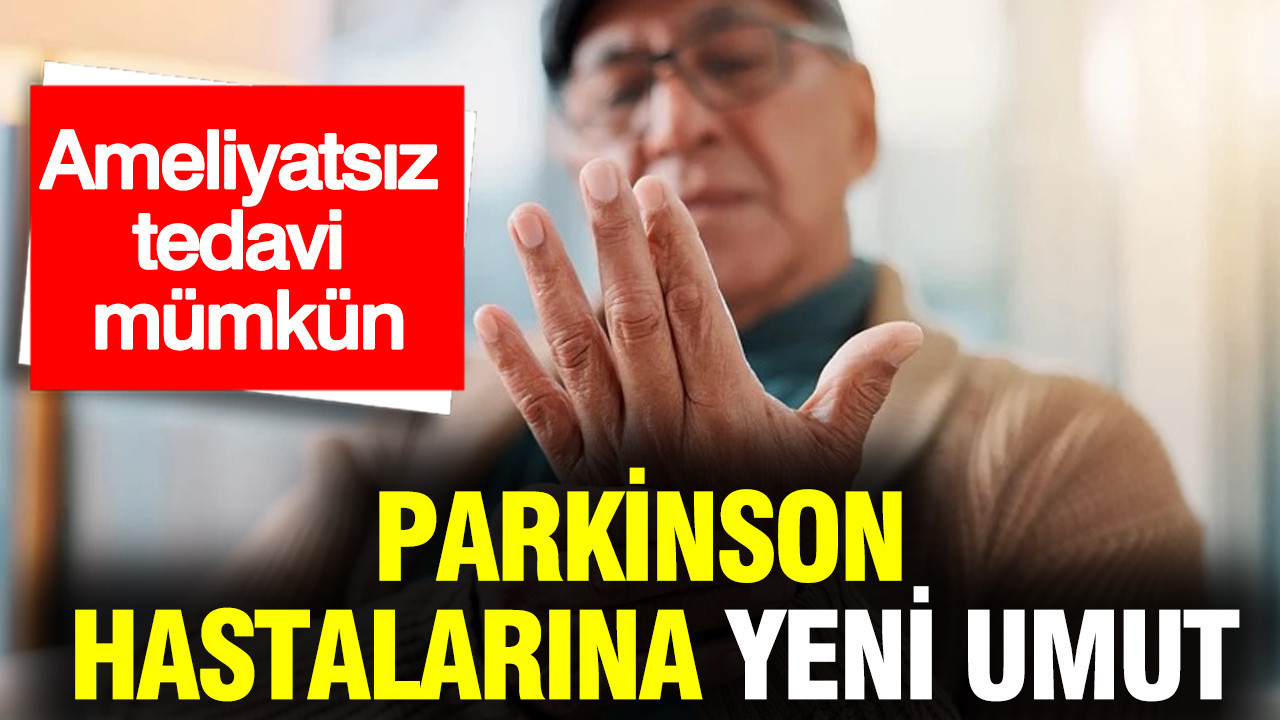
Managing Parkinson’s disease often involves a complex balance of medication and clinical interventions, but a growing emphasis on non-surgical management is offering fresh hope for patients worldwide. Even as surgical options exist for advanced cases, integrated approaches focusing on physical activity and specialized education are proving essential in slowing the progression of symptoms and improving the overall quality of life for those living with the condition.
In Turkey, this shift toward comprehensive, non-invasive support is being exemplified by municipal initiatives that prioritize accessibility and holistic care. By combining structured exercise with social interaction, these programs aim to address not only the physical limitations of the disease—such as tremors and rigidity—but also the psychological toll that often accompanies a chronic neurological diagnosis.
The integration of specialized fitness and educational frameworks allows patients to regain a sense of autonomy. When these interventions are implemented early, they can significantly impact the trajectory of the disease, helping patients maintain mobility and cognitive function for longer periods.
The Role of Structured Exercise in Parkinson’s Care
Physical activity is no longer viewed as a supplementary treatment but as a core component of managing Parkinson’s disease. Specific programs designed to target balance, posture, and muscle strength are critical for preventing falls and maintaining independence. In Antalya, the Antalya Spor ve Fitness Merkezleri (ASFİM) has implemented a free exercise program specifically for Parkinson’s patients to encourage active living Antalya Büyükşehir Belediyesi.

The program consists of special exercise routines conducted three days a week, with each session lasting 45 minutes. These routines are designed to help patients reconnect with their physical capabilities and provide a vital source of moral support. By focusing on reflexes and muscle strength through the use of various tools, including elastic bands and group-based movements, the program aims to enhance the physical resilience of the participants Antalya Körfez.
For many patients, the benefit of these programs extends beyond the physical. The social aspect of group exercise helps combat the isolation that often accompanies the disease, allowing patients to share experiences and find mutual support while improving their motor skills.
Educational Initiatives: The ‘Parkinson School’ Model
Beyond physical exercise, education for both patients and their caregivers is a cornerstone of effective non-surgical management. The Antalya Büyükşehir Belediyesi has established what is described as Turkey’s first ‘Parkinson School’ to provide a structured environment for learning and adaptation Antalya Büyükşehir Belediyesi Facebook.
This initiative focuses on two primary pillars: seminars and exercise programs. The goal is to increase the quality of life for patients and their families by providing them with the knowledge needed to manage the disease’s daily challenges. By educating caregivers on how to support the patient, the school creates a comprehensive support system that extends from the clinic into the home.
This model serves as a potential blueprint for other municipalities, demonstrating that public health initiatives can effectively fill the gap between medical prescriptions and the daily practical needs of patients. The focus on “learning to live with Parkinson’s” helps shift the narrative from one of inevitable decline to one of managed adaptation.
Key Components of Non-Surgical Management
- Balance and Posture Training: Specific movements to reduce the risk of falls and correct the stooped posture often associated with the disease.
- Muscle Strength and Reflexes: Using tools like elastic bands to maintain muscle tone and improve reaction times.
- Caregiver Education: Providing families with the tools to manage symptoms and support the patient’s mental health.
- Social Integration: Utilizing group settings to reduce depression and social withdrawal.
The Importance of Early Diagnosis and Intervention
The effectiveness of non-surgical treatments is heavily dependent on the timing of the intervention. Early diagnosis allows for the immediate implementation of physical therapy and lifestyle adjustments, which can slow the progression of the disease and preserve a higher level of function for a longer duration.
Identifying the “silent” or early signs of Parkinson’s is crucial. While tremors are the most recognized symptom, other early indicators can be more subtle. Recognizing these signs early enables patients to access the types of exercise and educational programs mentioned above before the disease reaches a more advanced stage where surgical options might become the only viable path for symptom relief.
When combined with medical oversight, these non-invasive strategies create a multi-layered defense against the debilitating effects of the condition, emphasizing a holistic approach to neurological health.
Summary of Local Support Initiatives in Antalya
| Program/Entity | Primary Focus | Key Features |
|---|---|---|
| ASFİM (Antalya Spor ve Fitness Merkezleri) | Physical Rehabilitation | Free exercises, 45-minute sessions, 3 days/week, focus on balance, and strength. |
| Parkinson School | Education & Support | Seminars for patients and relatives, combined with exercise programs. |
The continued expansion of these programs suggests a growing recognition of the require for community-based healthcare. As more cities adopt similar models, the accessibility of non-surgical management will likely increase, providing more patients with the tools to maintain their independence and dignity.
For those seeking more information on available support services or the latest in non-surgical Parkinson’s management, contacting local health departments or municipal social service centers is recommended to find registered exercise and education programs.
We encourage readers to share their experiences with non-surgical Parkinson’s treatments in the comments below and share this article with those who may benefit from these community-based resources.