
Reports have emerged regarding the killing of four Ukrainian prisoners of war by Russian military personnel in the Kharkiv region. These allegations contribute to a growing body of reports concerning the treatment of captives and the conduct of forces during the ongoing conflict in Ukraine.
The incident in the Kharkiv region is part of a series of reported atrocities and attacks across various fronts. In addition to the deaths of the four prisoners, other reports indicate a pattern of violence affecting both military personnel and civilians, including the targeting of evacuation groups and urban infrastructure.
International observers and human rights organizations continue to monitor the situation on the ground. The legal status of prisoners of war is governed by the Geneva Conventions, which mandate the humane treatment of all captives. Violations of these standards are classified as war crimes under international law.
Reports of Violence Against Prisoners and Evacuation Teams
The reported killing of four Ukrainian prisoners of war in the Kharkiv region highlights the precarious situation for captives. Parallel reports suggest further incidents of targeted violence. For instance, data from DeepState indicates that a Ukrainian evacuation group was killed by Russian forces in the Zaporizhzhia region during a period associated with an Easter truce.
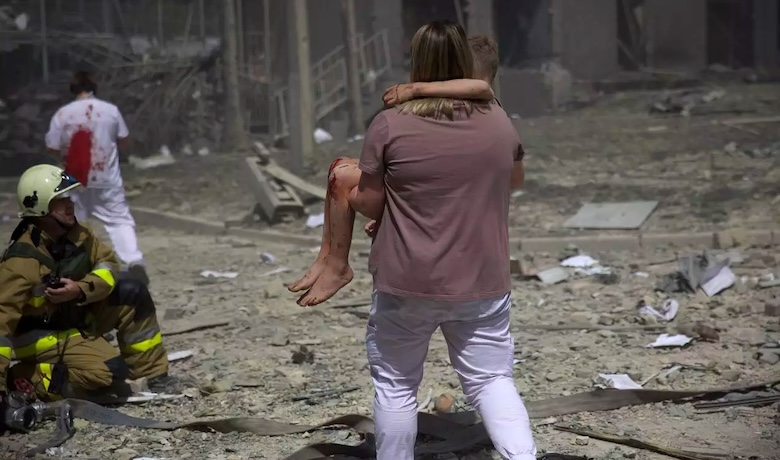
These events reflect a broader trend of instability. According to reports from DeepState, 2025 was characterized as one of the most difficult years for the Defense Forces of Ukraine compared to previous years of the war.
Impact on Civilian Infrastructure and Non-Combatants
Beyond the treatment of prisoners of war, Russian strikes have continued to impact civilian areas and essential transport. In the Dnipropetrovsk region, Russian airstrikes resulted in the deaths of two people during a single night of attacks.
Further strikes have targeted urban transport, such as the attack on a city bus in Nikopol. These incidents underscore the ongoing risks faced by the civilian population in regions subject to frequent aerial and artillery bombardments.
The Role of Conflict Monitoring
Tracking the territorial and human cost of the war remains a complex task. Tools like the DeepStateMap provide real-time interactive data on troop movements, territorial changes and “hot spots” on the front lines. These resources are utilized by journalists and analysts to document the dynamics of the conflict and the areas where casualties are most concentrated.
The documentation of these events is critical for future legal proceedings and for maintaining a factual record of the war’s progression. The use of interactive maps and expert reviews helps in identifying the scale of territorial shifts and the correlation between military advances and reported atrocities.
As the conflict persists, the international community remains focused on the adherence to international humanitarian law. The reported executions of prisoners and the targeting of medical or evacuation teams are viewed as severe breaches of the rules of engagement.
For those seeking official updates on the status of prisoners of war or the current security situation in the Kharkiv and Zaporizhzhia regions, it is recommended to follow the official communications from the Ukrainian Ministry of Defense and recognized international monitoring bodies.
We invite readers to share this report and provide comments on the importance of international accountability in conflict zones.
Keep reading