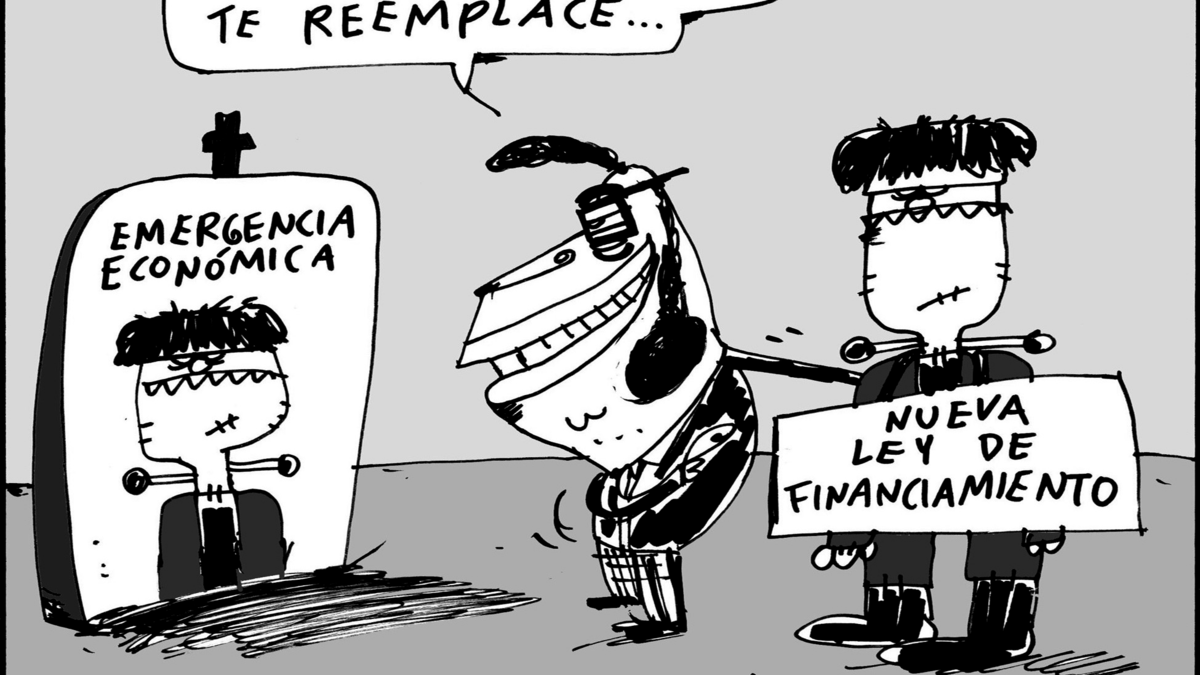
Political satire often serves as a mirror to the complexities of governance, and the latest work by the cartoonist Mil has captured a moment of significant tension in the Latin American political landscape. The Caricatura de Mil del 12 de abril, titled “Plan B,” provides a pointed commentary on the strategic shifts and legislative maneuvers currently unfolding within the region’s power structures.
The cartoon, released in the context of evolving political strategies, arrives at a time when the concept of a “Plan B” is being discussed not just in artistic circles, but within the highest levels of government. While satirical in nature, the imagery reflects a broader conversation regarding transparency, electoral oversight, and the exercise of executive power.
In the current political climate, the term “Plan B” has taken on a literal meaning in Mexico, where President Claudia Sheinbaum Pardo has indicated that such a strategy involves enhancing the capabilities of the Financial Intelligence Unit (UIF). This move is designed to ensure greater fiscalization and transparency in electoral matters, specifically allowing the UIF to investigate the origin of resources if requested by the National Electoral Institute (INE).
The Intersection of Satire and Political Strategy
The work of Mil is known for distilling complex political crises into a single, impactful image. By labeling the piece “Plan B,” the artist taps into the universal anxiety and anticipation that accompanies a government’s secondary strategy. In political terms, a “Plan B” usually emerges when the primary approach—whether it be a legislative proposal or a diplomatic effort—encounters significant resistance or failure.
This artistic reflection mirrors the real-world efforts to tighten oversight. For instance, the initiative by President Claudia Sheinbaum Pardo to utilize the UIF for investigating electoral funds highlights a shift toward more aggressive transparency measures to prevent the misuse of resources during election cycles.
For a global audience, these developments underscore a recurring theme in contemporary governance: the tension between the need for state security and the demand for democratic transparency. When a cartoonist like Mil highlights a “Plan B,” they are often questioning whether such plans are truly about transparency or are instead tools for political leverage.
Understanding the Role of Investigative Oversight
The theme of “Plan B” and the search for truth similarly resonate with the ongoing work of specialized investigative units across the continent. The pursuit of transparency is not limited to electoral funding but extends to the exposure of systemic corruption and the abuse of power.
In Colombia, for example, the Unidad Investigativa of Caracol Radio focuses on bringing public interest information to light to serve as a counterweight to power, specifically by revealing abuses and acts of corruption. Similarly, investigative efforts reported by El Tiempo have uncovered illegal activities, such as the presence of official vehicles at unauthorized parties within correctional facilities, demonstrating that the “Plan B” for many citizens is the reliance on investigative journalism to uncover what official channels may overlook.
These examples illustrate that whether through the lens of a satirical cartoon or a deep-dive investigative report, the core objective remains the same: holding those in power accountable to the public they serve.
Key Implications of the “Plan B” Narrative
- Electoral Integrity: The focus on the origin of resources suggests a move toward stricter financial auditing of political campaigns.
- Institutional Power: The involvement of bodies like the UIF indicates a centralization of investigative power to ensure compliance.
- Public Perception: Satirical works by artists like Mil help the public process these complex legal and political shifts by framing them in a relatable, often critical, manner.
As the political landscape continues to shift, the “Plan B” referenced in Mil’s caricature serves as a reminder that in politics, there is always a secondary strategy in play. The critical question for the public is whether these strategies are designed to protect the integrity of the democratic process or to consolidate authority.
The next confirmed checkpoint for these developments will be the official implementation and first reports of the UIF’s investigations into electoral resources as requested by the INE. We encourage our readers to share their thoughts on the role of political satire in modern democracy in the comments below.
Keep reading