
Diplomatic efforts to curb the escalating conflict in the Middle East suffered a significant setback this weekend as high-level negotiations between the United States and Iran ended without a peace agreement. The talks, held in Islamabad with the mediation of Pakistan, focused on critical security flashpoints but ultimately failed to bridge the gap between the two powers.
U.S. Vice President JD Vance confirmed the collapse of the talks on Sunday, April 12, 2026, stating that the American delegation is returning to Washington without a deal. Vance characterized the outcome as “bad news,” though he asserted that the failure of the negotiations would be more detrimental to the Iranian regime than to the United States via Clarin.
The failure to reach a resolution comes amid a broader, multi-front war involving the United States, Israel, and Iran. While the diplomatic track in Islamabad has stalled, military tensions remain high across the region, particularly concerning the stability of the Strait of Hormuz and the future of Iran’s nuclear program.
The breakdown in communication highlights the deep-seated distrust and the rigid “red lines” established by the Trump administration. According to Vance, the U.S. Delegation made its terms clear, but the Iranian side chose not to accept them, effectively descarting the possibility of further negotiations in the immediate aftermath of the Sunday session.
Stumbling Blocks in Islamabad: Nuclear Ambitions and Maritime Control
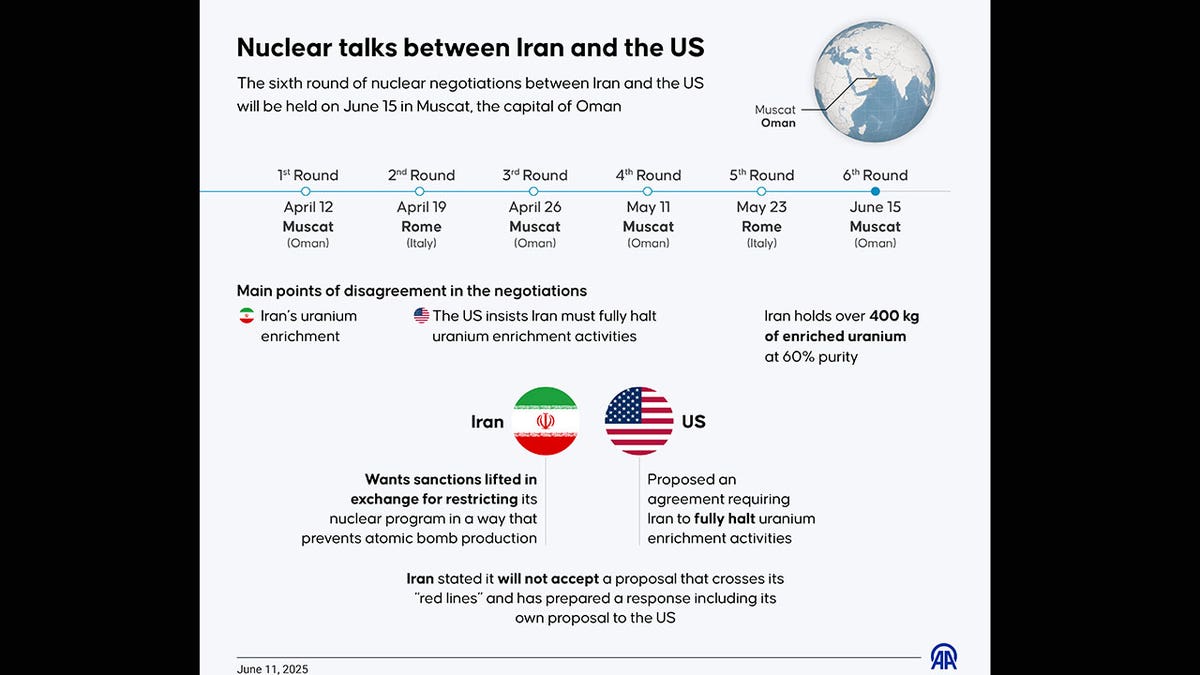
The negotiations in Islamabad were intended to be a historic first step toward direct dialogue between Washington and Tehran. However, the agenda was dominated by two primary points of contention: the control of the Strait of Hormuz and the status of Iran’s nuclear program via Clarin.
The Strait of Hormuz remains one of the world’s most critical maritime chokepoints. Any instability or attempted closure of the strait threatens global energy security, making it a non-negotiable security priority for the United States. Similarly, the U.S. Continues to demand strict limitations on Iran’s nuclear capabilities to prevent the development of weapons of mass destruction.
From the Iranian perspective, the failure of the talks was viewed as a result of American arrogance. Former Iranian Foreign Minister Mohammad Javad Zarif commented on the collapse of the negotiations, stating that the United States must learn that it cannot “impose conditions” on Iran. Zarif argued that no negotiation with Tehran would succeed if conducted solely on Washington’s terms via Clarin.
The diplomatic stalemate suggests that neither side is currently willing to make the concessions necessary to stop the wider regional conflict. The U.S. Maintains that its “red lines” are essential for regional stability, while Tehran views these demands as an infringement on its sovereignty.
The Regional Ripple Effect: Lebanon and Israel
While the direct negotiations between the U.S. And Iran took place in Pakistan, the physical conflict continues to devastate neighboring territories. In Lebanon, the Prime Minister has expressed a commitment to working toward an finish to the war within Lebanese borders. However, these hopes for a ceasefire are currently countered by the stance of the Israeli government.

Israel has indicated that it will continue its military operations, signaling that the conflict will not subside until its strategic objectives are met. This disconnect between Lebanon’s desire for peace and Israel’s intent to persevere ensures that the humanitarian crisis in the region will continue to intensify.
The war has now entered a complex phase where diplomatic failures in one city—such as Islamabad—directly correlate to continued kinetic warfare in another. The inability of the U.S. And Iran to reach a framework for peace removes a critical layer of pressure that might have otherwise encouraged a ceasefire between Israel and Lebanese forces.
Analysis: Why the Islamabad Talks Matter
The attempt to use Pakistan as a neutral ground for direct talks was a strategic gamble by the Trump administration. By engaging in direct negotiations, the U.S. Sought to bypass traditional intermediaries and force a decisive resolution to the conflict. The failure of these talks suggests that the “maximum pressure” or “direct deal” approach is facing significant resistance from the Iranian leadership.
For the global community, the lack of an agreement increases the risk of an accidental or intentional escalation in the Persian Gulf. With the Strait of Hormuz remaining a point of “strong discord,” the threat of maritime conflict looms over global oil markets.
The geopolitical stakes are further complicated by the internal dynamics of the warring parties. In Iran, the rhetoric from figures like Zarif suggests a regime that is unwilling to bend to Western demands, even under the pressure of active war. In the U.S., the administration’s refusal to compromise on its “red lines” indicates a strategy based on endurance and strength rather than diplomatic flexibility.
Key Takeaways from the Diplomatic Collapse
- No Agreement: Vice President JD Vance confirmed that the U.S. And Iran are returning to Washington without a peace deal.
- Primary Disputes: The nuclear program and control of the Strait of Hormuz were the main obstacles to a deal.
- Iranian Stance: Former Foreign Minister Zarif stated that the U.S. Cannot impose conditions on Iran.
- Regional Conflict: Despite Lebanese efforts for peace, Israel has affirmed it will continue its military actions.
- Mediation: The talks were hosted in Islamabad, Pakistan, marking a rare attempt at direct bilateral negotiation.
As the world watches the “Day 43” mark of this conflict, the path toward peace remains obscured. The failure in Islamabad leaves the region in a volatile state, with military action remaining the primary tool of engagement for the major powers involved.
There are currently no further scheduled dates for direct negotiations between the U.S. And Iranian delegations. The international community now awaits further official statements from Washington and Tehran regarding potential alternative diplomatic tracks or further military escalations.
We invite our readers to share their perspectives on the current geopolitical situation in the comments below. Please share this report to keep others informed on the evolving crisis in the Middle East.
Keep reading