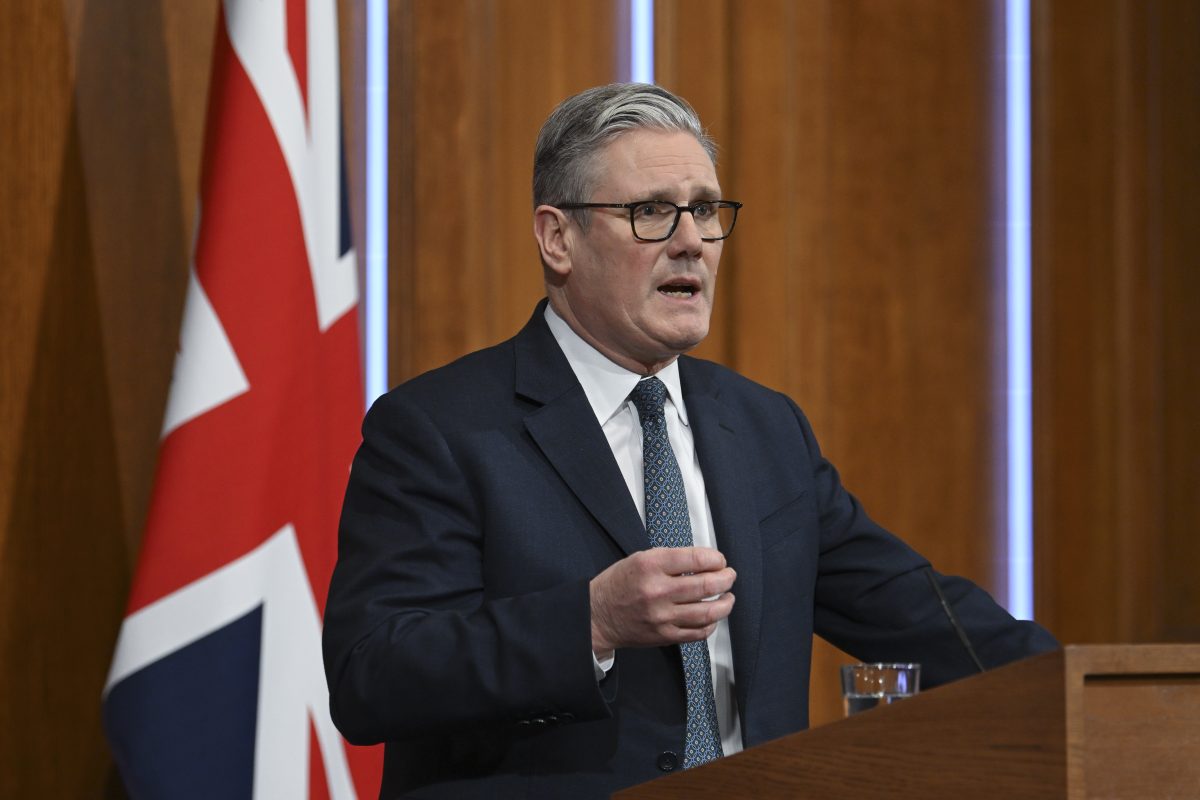
Prime Minister Sir Keir Starmer has defended plans to allow the UK government to adopt new EU single market rules without the need for direct parliamentary approval, asserting that such a move is in the “UK’s best interest.” The proposal centers on the use of secondary legislation—often referred to as “Henry VIII clauses”—which would grant ministers the power to implement changes quickly without waiting for the lengthy process of primary parliamentary approval.
This legislative strategy is a cornerstone of the government’s broader “Brexit reset,” aimed at easing trade burdens and reducing costs for businesses and consumers. By aligning with specific EU rules in selected sectors, the government hopes to lower the prices of food and agricultural products, which Starmer noted is a “step in the right direction” for the public.
The move comes amid a volatile global landscape. Starmer highlighted that the UK is operating in a world of “massive conflict” and “great uncertainty,” arguing that a closer relationship with Europe across defense, security, energy, and the economy is essential for national stability. This strategic pivot is further underscored by recent geopolitical pressures, including the ongoing war in Iran, which has prompted the Prime Minister to seek closer economic and security ties with the bloc to weather the storm.
However, the plan has ignited a fierce political row. Opposition figures from the Conservatives and Reform UK have condemned the approach as a “betrayal” of the 2016 referendum, claiming it creates a “backdoor” for the European Union to regain control over British law-making.
The Mechanics of the ‘Brexit Reset’ and Secondary Legislation
At the heart of this controversy is the proposed use of secondary legislation. In the UK legal system, this allows the government to update or amend laws without passing a new Act of Parliament. While the government maintains that Parliament would still have the opportunity to vote for or against these changes, critics argue that it reduces lawmakers to “spectators” in the process.
The government intends to present fresh legislation following the King’s Speech in May. This bill is expected to incorporate details from agreements struck last year regarding energy markets and food and drinks standards. If passed, the framework would allow the UK to adopt EU single market rules in specific areas without needing to undergo full parliamentary scrutiny for every individual change.
This “pick-and-choose” approach to the single market is a central part of Starmer’s strategy. By aligning with EU rules in select sectors, the UK aims to reduce trade friction. However, this strategy faces significant hurdles in Brussels. EU officials have expressed wariness over “cherry-picking” the benefits of the single market while avoiding the obligations of full membership and insist on a comprehensive package deal.
Economic Objectives and Cost of Living
The government’s primary justification for this realignment is economic. Starmer has argued that reducing burdens on businesses will translate directly into lower consumer prices. This is particularly critical as the government faces pressure to protect citizens from rising energy costs. Opposition parties, including the Greens and Liberal Democrats, have called for more aggressive measures, such as subsidizing energy bills or cancelling scheduled fuel duty hikes.
To address these immediate pressures, the Prime Minister has highlighted measures coming into force in April 2026, including the increase of the national living wage and the removal of certain green levies from energy bills to ease the cost of living.
Political Backlash and the ‘Backdoor’ Argument
The proposal has drawn sharp criticism from those who view any alignment with EU rules as a reversal of Brexit. Nigel Farage of Reform UK has described the plan as a “backdoor attempt to drag Britain back under European Union control.” Similarly, Shadow Business Secretary Andrew Griffith has argued that the plan allows the EU to set rules on the UK’s behalf, distracting from the government’s own economic management.
The tension highlights a fundamental divide in the UK’s post-Brexit identity: whether to prioritize absolute regulatory autonomy or to accept a degree of alignment in exchange for economic growth and security. Starmer has urged the country to “seem forward now, not backwards,” suggesting that the arguments of the last decade should be set aside in favor of practical cooperation.
The Role of the EU in the Reset
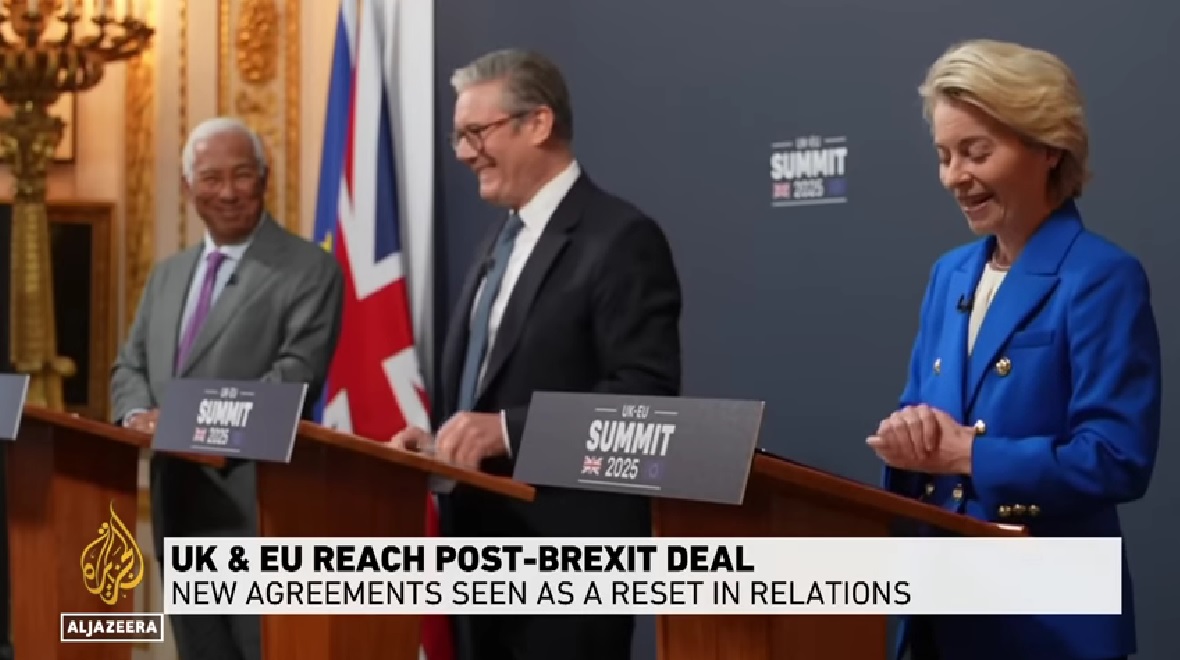
While the UK is pushing for closer ties, the EU’s enthusiasm varies. Some progress has been made, such as the UK’s agreement to reassociate with the Erasmus+ scheme for the 2027–28 period at a cost of £570 million to benefit 100,000 participants. However, the Institute for Government has noted that a deeper economic relationship may not be a top priority for the EU, meaning the UK government may face an uphill battle to convert political goodwill into concrete trade agreements.
What Happens Next?
The immediate focus now shifts to the King’s Speech in May, after which the government will present the legislation that outlines the framework for these “Brexit reset” agreements. This will be the first major test of whether the Labour government can secure parliamentary backing for its strategy of using secondary legislation to bypass traditional scrutiny.
Following the legislative introduction, the government plans to use a summit with the EU later in 2026 to negotiate further cooperation on security, energy, and the economy. The outcome of these negotiations will likely determine the extent to which the UK can successfully “pick and choose” its integration into the single market.
World Today Journal encourages readers to share their views on the UK’s evolving relationship with the EU in the comments section below.
Keep reading
- MLS: Juan Manuel Sanabria convirtió en la derrota de Real Salt Lake ante Portland Timbers
- Oman-Iran talks advance on reopening Strait of Hormuz, sources say
- China’s AI Surge: Market Growth, Tech Distillation, and US Tension (archynewsy.com)
- Global Fidget Market Boom Driven by NeeDoh Squishy Toys (time.news)