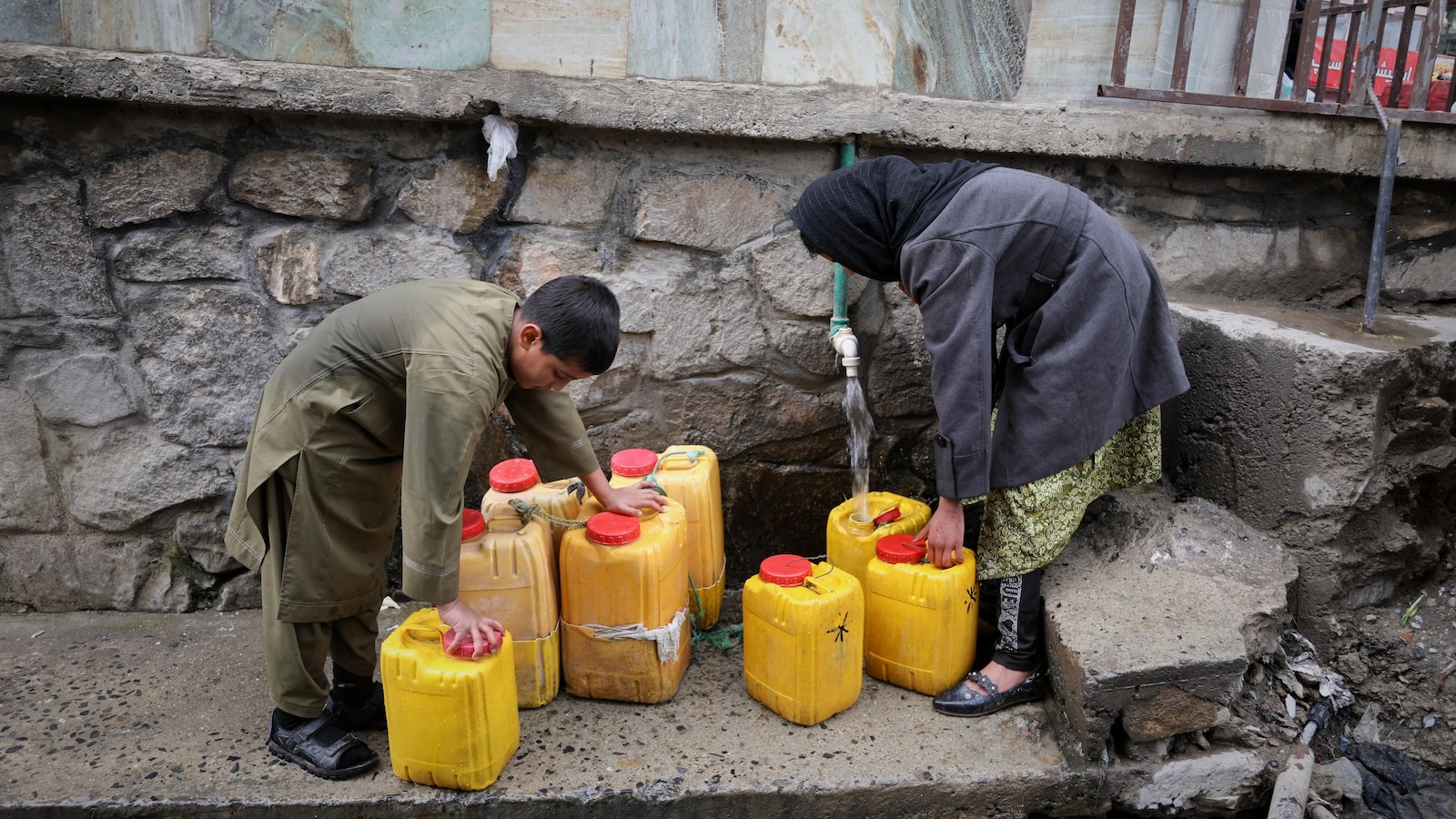
Kabul, the capital of Afghanistan, is currently facing a severe environmental emergency as the city is in the grip of a water crisis. Situated within a high-altitude valley in the Hindu Kush mountain range, the urban center is rapidly running out of its most essential resource, creating a precarious situation for millions of residents.
The intersection of geography and escalating demand has pushed the city’s water infrastructure to a breaking point. As the population grows and the surrounding landscape shifts, the availability of sustainable water sources has plummeted, leaving the capital vulnerable to systemic shortages.
This crisis is not an isolated event but a reflection of broader ecological challenges affecting the region. The depletion of groundwater and the instability of surface water sources have turned the struggle for clean water into a daily ordeal for many Kabul households.
The Geography of a Water Crisis
The physical location of Kabul contributes significantly to its current plight. Nestled in the high-altitude valley of the Hindu Kush mountains, the city relies on a delicate balance of snowmelt and groundwater. However, these sources are no longer keeping pace with the city’s requirements.
The rapid depletion of the water table is a primary concern. As the city expands, the reliance on deep-well drilling has increased, often extracting water faster than it can be naturally replenished. This downward trend in water levels means that many traditional wells have run dry, forcing residents to seek alternative, and often more expensive, means of procurement.
The impact of this scarcity is felt most acutely by the city’s most vulnerable populations. Although some wealthier districts can afford private water tankers, many others must rely on communal points or unreliable municipal piping, which often fails to deliver consistent flow.
Impact on Public Health and Stability
When a capital city is in the grip of a water crisis, the repercussions extend far beyond simple thirst. The lack of accessible, clean water directly impacts sanitation and public health. Without adequate water for hygiene, the risk of waterborne diseases increases, placing an additional burden on an already strained healthcare system.
The struggle for water also creates economic instability. Families are forced to spend a larger percentage of their limited income on purchasing water from private vendors. This “water poverty” diverts funds away from other essential needs, such as food and education, further deepening the humanitarian crisis in the region.
the competition for remaining water sources can lead to localized tensions. As the scarcity intensifies, the management of water rights and distribution becomes a flashpoint for conflict within neighborhoods and between different urban sectors.
Key Takeaways of the Kabul Water Emergency
- Geographic Vulnerability: The city’s location in the Hindu Kush mountains limits its natural water replenishment options.
- Groundwater Depletion: Rapid urban growth has led to the over-extraction of aquifers.
- Socioeconomic Strain: Low-income residents face the highest burden, paying more for basic water access.
- Health Risks: Decreased water availability threatens basic sanitation and increases the likelihood of disease outbreaks.
What Happens Next for Kabul
Addressing the water crisis in Afghanistan’s capital will require a combination of immediate emergency interventions and long-term infrastructural overhaul. The city needs sustainable water management strategies that prioritize the replenishment of aquifers and the modernization of the distribution network to prevent leaks and waste.

International cooperation and technical expertise will likely be critical in developing solutions tailored to the unique topography of the Hindu Kush valley. Without a comprehensive plan to secure the city’s water future, Kabul faces a trajectory of increasing instability and humanitarian distress.
The global community continues to monitor the situation as the capital struggles to maintain basic services amidst this environmental collapse. The outcome will depend on the ability to implement scalable water-saving technologies and effective governance of the remaining resources.
For those following the developments in the region, official updates regarding humanitarian aid and infrastructure projects are the primary checkpoints for progress. We encourage readers to share this report and join the conversation on how global environmental shifts are impacting urban centers in volatile regions.
Worth a look