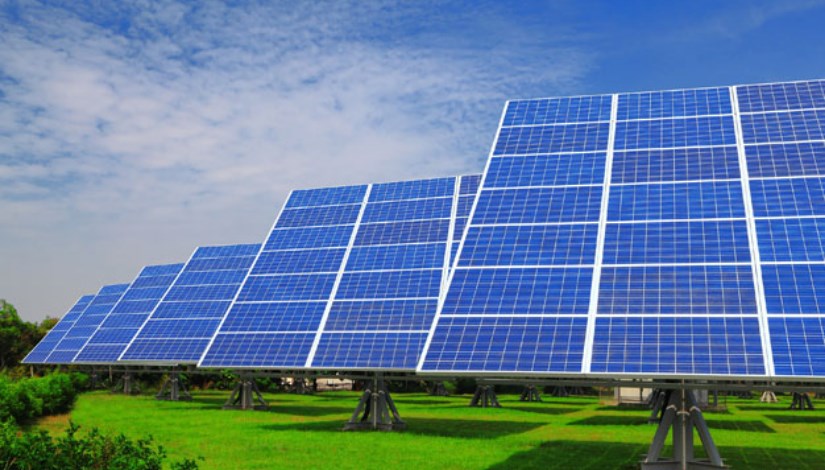
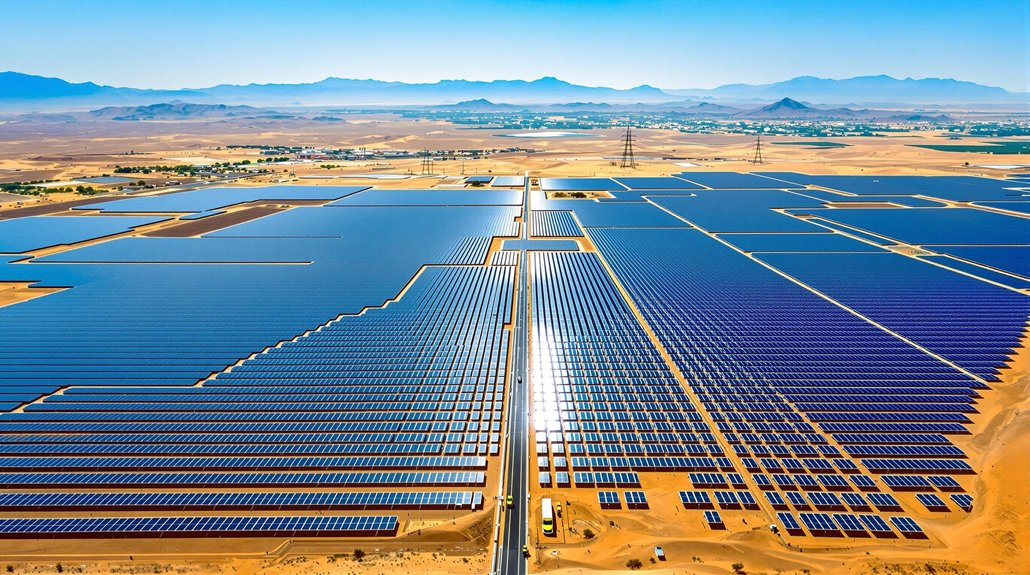
The European Bank for Reconstruction and Development (EBRD) has announced a US$ 65 million construction bridging loan to Hassan Allam Utilities (HAU Energy) to advance a major renewable energy expansion in Egypt. The financing is earmarked for the development of a new facility within the Benban Solar Park near Aswan, a move designed to accelerate the nation’s transition toward a low-carbon economy via the EBRD.
This strategic investment will support the construction of a 200 MW solar photovoltaic (PV) plant coupled with a 120 MWh battery energy storage system (BESS). By integrating large-scale storage with solar generation, the project aims to mitigate the inherent intermittency of solar power, ensuring a more stable and reliable flow of electricity into Egypt’s national grid according to project details.
Once the facility becomes operational, it is projected to reduce carbon dioxide emissions by up to 280,000 tonnes annually. This reduction aligns with Egypt’s broader climate targets and underscores a growing regional commitment to diversifying energy mixes and reducing reliance on imported fossil fuels as reported by Al-Ahram.
Bridging the Gap: Solar Power and Battery Storage
The inclusion of a 120 MWh battery energy storage system (BESS) represents a critical evolution in Egypt’s renewable infrastructure. Although solar parks generate massive amounts of energy during peak daylight hours, the ability to store that power for use during the night or during periods of low sunlight is essential for grid stability. This integration allows the Benban Solar Park expansion to provide a more consistent energy supply, reducing the risk of outages and the need for carbon-intensive backup plants.
Dalia Wahba, CEO of Hassan Allam Utilities, noted that the project is a significant step in expanding the country’s renewable capacity. By combining utility-scale solar with battery storage, the initiative enhances grid stability and enables a deeper reliance on clean energy sources.
Beyond Energy: Green Skills and Gender Equality
The EBRD is pairing the financial loan with a technical cooperation package under its Gender and Economic Inclusion Technical Cooperation Framework. This component of the agreement focuses on the “human” side of the energy transition, ensuring that the economic benefits of green energy reach a diverse segment of the workforce.
Specifically, the framework will support the creation of two nationally accredited training programs. These programs are designed to equip young jobseekers with the specialized green skills required to thrive in Egypt’s expanding renewable energy sector. By professionalizing the workforce, the project aims to create sustainable career paths in sustainable infrastructure.
the initiative seeks to modernize the internal human resources practices of HAU Energy. The goal is to embed gender equality principles into the company’s core operations, expanding access for women to technical and leadership roles through targeted training and inclusive hiring practices.
A Strategic Partnership for Energy Security
HAU Energy, established in 2024, serves as the vehicle for these investments. The entity is jointly owned by the EBRD, Hassan Allam Utilities, and Meridiam, an international investment firm specializing in public infrastructure. This partnership combines international financing, global infrastructure expertise, and local operational strength.
Aida Sitdikova, Director of Sustainable Infrastructure for the EBRD in the Middle East and Africa, emphasized that the project is part of a broader effort to strengthen Egypt’s energy security through affordable, clean solutions. She stated that as Egypt works to diversify its energy mix and enhance resilience to external shocks, the partnership with Meridiam and HAU is instrumental in delivering impactful results.
Egypt’s relationship with the EBRD is long-standing; the country is a founding member of the bank. Since 2012, the EBRD has invested more than €14.6 billion across 225 different projects in Egypt, spanning various sectors to support economic modernization and climate resilience.
Key Project Specifications
| Feature | Detail |
|---|---|
| Loan Amount | US$ 65 million |
| Solar Capacity | 200 MW (Photovoltaic) |
| Storage Capacity | 120 MWh (BESS) |
| Emission Reduction | Up to 280,000 tonnes of CO2 per year |
| Location | Benban Solar Park, Aswan, Egypt |
As construction progresses on the new plant and storage system, the project will serve as a benchmark for how integrated storage can be scaled in North Africa. The next phase of the project will involve the rollout of the accredited green skills training programs for local youth.
We invite our readers to share their thoughts on the role of battery storage in the global energy transition in the comments below.
Worth a look