A critical vulnerability in how Microsoft Entra manages identity security has revealed a Microsoft Entra hidden access risk that could allow privileged users to bypass essential security controls without leaving a trace. New research has uncovered an undocumented behavior within Conditional Access policies that enables the creation of “invisible” time-based backdoors, potentially neutralizing protections like Multi-Factor Authentication (MFA) during specific windows of time.
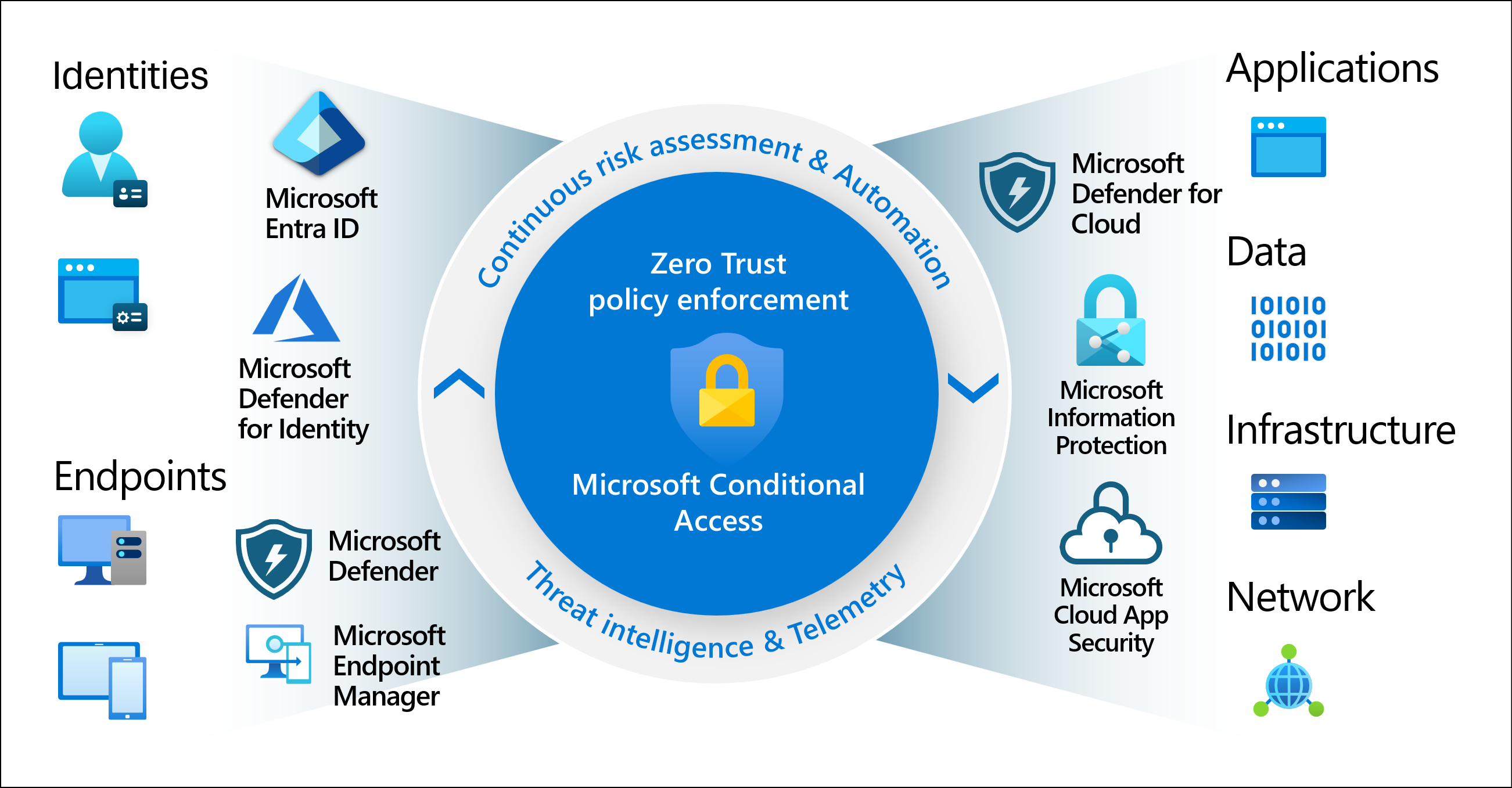
Conditional Access policies are widely regarded as the cornerstone of identity security for organizations using Microsoft’s ecosystem. These policies allow administrators to define specific conditions—such as a user’s location, device compliance, or the type of application being accessed—that must be met before access is granted. Yet, the discovery that these policies can be silently manipulated suggests a significant gap in the visibility and auditing of these critical security layers.
The research, conducted by security experts at Reversec, demonstrates that an attacker or a malicious insider with at least the Conditional Access Administrator role can introduce a hidden time-based condition into a policy. This condition can be configured to disable security requirements on specific days or hours of the week, effectively creating a window of opportunity for unauthorized access while the policy appears completely normal to other administrators.
The Mechanics of the Invisible Backdoor
The most alarming aspect of this vulnerability is its invisibility. Typically, any change to a security policy in a corporate environment is logged and visible through management consoles. In this case, however, the time-based condition is not visible in the Azure portal, nor is it exposed via Microsoft Graph, the API used by many organizations to automate and audit their Entra environments.
the research found that the “What-If” tool—a diagnostic feature used by administrators to troubleshoot why a specific policy is or is not applying to a user—fails to report these hidden conditions. Even administrative PowerShell modules, specifically the Microsoft.Entra module, do not show these conditions in their command-line output. Which means that an administrator could audit their policies using every standard tool available and still fail to detect the backdoor discovered by Reversec.
For a threat actor, this creates a highly sustainable persistence mechanism. By scheduling the policy bypass for a time when monitoring is light—such as 3:00 AM on a Sunday—they can enter the environment, perform malicious actions, and exit, all while the organization’s security dashboard shows that MFA and other restrictive policies are fully active.
Who is Affected and Why it Matters
This risk specifically affects tenants where users have been granted the Conditional Access Administrator role. While this is a privileged role, the danger is amplified in smaller organizations that may have a limited number of IT staff and a higher tendency to grant broad permissions to a few trusted individuals. If a single administrator account is compromised, the attacker can use these permissions to embed a backdoor that persists even if the initial entry point is closed.
The implications for identity security are profound. Many organizations rely on Conditional Access as their primary defense against credential theft. By bypassing MFA through a time-based exception, an attacker with stolen credentials can gain full access to corporate systems during the “hidden” window, rendering one of the most effective modern security controls useless.
Key Takeaways for Security Teams
- Privileged Access Review: Organizations should strictly limit the number of users with the Conditional Access Administrator role and implement Just-In-Time (JIT) access to reduce the window of risk.
- Audit Log Monitoring: While the condition itself is invisible in the portal, the initial act of modifying the policy may still generate logs. Security teams should monitor for any unexpected changes to Conditional Access policies.
- Defense-in-Depth: Relying solely on one layer of identity security is risky. Implementing additional telemetry and behavioral analytics can help detect unusual sign-in patterns that occur during these hidden windows.
Broader Shifts in Microsoft Entra Security
This discovery comes at a time when Microsoft is actively working to harden Entra’s enforcement mechanisms. While the time-based backdoor is an undocumented risk, Microsoft has officially announced other proactive measures to close security gaps in authentication flows. As part of the Secure Future Initiative, the company is strengthening how Conditional Access is enforced for specific authentication flows to prevent policy bypasses.
Specifically, Microsoft is addressing an issue where policies targeting “All resources” were not being enforced if the policy contained one or more resource exclusions and the user signed in through a client application requesting only OIDC scopes or a limited set of directory scopes. To ensure consistent application of security policies regardless of the scope requested by an application, Microsoft will change this behavior starting May 13, 2026.
This upcoming change highlights the ongoing struggle to maintain a “zero trust” architecture. As attackers locate more nuanced ways to bypass controls—such as the time-based backdoor—vendors must constantly refine the logic of how those controls are enforced across diverse application scopes and authentication protocols.
What Happens Next
For most businesses, the immediate priority is reviewing who has the authority to change Conditional Access policies. Because the vulnerability relies on the “Conditional Access Administrator” role, tightening the circle of trust is the most effective immediate mitigation.
The industry now awaits a formal response or patch from Microsoft to make these hidden conditions visible in the Azure portal and via Graph API. Until such a fix is implemented, the risk remains that a privileged actor could silently carve out a window of vulnerability in an organization’s perimeter.
The next confirmed checkpoint for Entra security updates is the rollout of improved enforcement for resource exclusions, which is scheduled to begin on May 13, 2026.
Do you manage identity security for your organization? We want to hear how you’re handling privileged access and whether these hidden risks change your auditing strategy. Share your thoughts in the comments below.
Keep reading