
Across the globe, a growing tension is emerging between the needs of expanding metropolitan centers and the survival of the rural communities that sustain them. From the arid landscapes of Jordan to the mountainous terrain of Nepal, efforts to resolve urban water shortages are increasingly creating a divide, as water is diverted from the countryside to sustain populous cities. This reallocation is leaving rural populations parched and resentful, turning essential water infrastructure projects into flashpoints of social and economic tension.
The struggle is not merely about the availability of water, but about the perceived theft of local resources to fuel urban growth. In many regions, the rural world won’t go dry without a fight, as farmers and villagers witness their own wells fail while pipelines carrying water to distant cities run right through their desiccated lands. This dynamic is creating a volatile environment where the “solution” for an urban water crisis becomes the catalyst for a rural one.
In Jordan, a country characterized by severe water scarcity and a highly variable climate, the crisis is particularly acute. With annual rainfall averaging 250 mm—ranging from 30 to 570 mm depending on the region—the country relies heavily on surface water (59%) and groundwater (27%) to meet domestic and agricultural demands. However, the pressure of population growth, the influx of refugees and current agricultural practices have pushed existing water provision to its limit.
The Disi Water Conveyance Project and Rural Resentment
The friction caused by rural-to-urban water transfers is exemplified in southern Jordan, specifically within the community of al-Jafr. Since 2013, the Jordanian government has operated the Disi Water Conveyance Project, a massive infrastructure undertaking designed to pipe groundwater from the rural far south to the more populous cities in the north.
For the residents of al-Jafr, the project is viewed not as a national necessity, but as the pilfering of their resources. The frustration is compounded by the physical proximity of the infrastructure; locals have reported the experience of hearing the gurgle of water moving through pipelines that pass along the periphery of their own dried-out lands. This auditory reminder of abundance serves as a constant source of fury for those whose own fields remain desiccated.
The impact on local water access has been severe. Many community wells have become compromised, with some now only reaching water at depths of more than half a mile. As the groundwater is diverted to northern urban centers, the rural populations in the south are left to grapple with increasing deprivation and the collapse of their traditional agricultural livelihoods.
Systemic Water Scarcity and Urban Expansion
The crisis in Jordan is part of a broader global pattern where urban water solutions fuel rural water crises. In Nepal, similar implementations of urban water projects have left the countryside angry and parched, mirroring the social tensions seen in the Middle East. When governments prioritize the stability of large cities—often the seats of political and economic power—the rural fringes are frequently the first to lose access to critical resources.
The challenge is further exacerbated by climate change, which continues to decline water availability globally. In Jordan, the struggle is not just about the diversion of water, but about the sustainability of the sources themselves. The reliance on groundwater is a finite solution; as the water table drops, the cost and effort required to extract water increase, disproportionately affecting small-scale farmers who cannot afford deeper wells.
Research into techno-economic feasibility for water supply in Jordan has highlighted the need for more sustainable, decentralized alternatives. For small and medium-scale cities, such as Al-Mafraq, studies suggest that combining piped networks with household rooftop rainwater harvesting and surface runoff collection into local ponds could provide the highest benefits in terms of cost, convenience, and water conservation and long-term sustainability. Such nature-based solutions, including root-zone treatment for sanitation, are presented as ways to reduce the reliance on massive, disruptive conveyance projects that alienate rural populations.
Key Challenges in Water Distribution
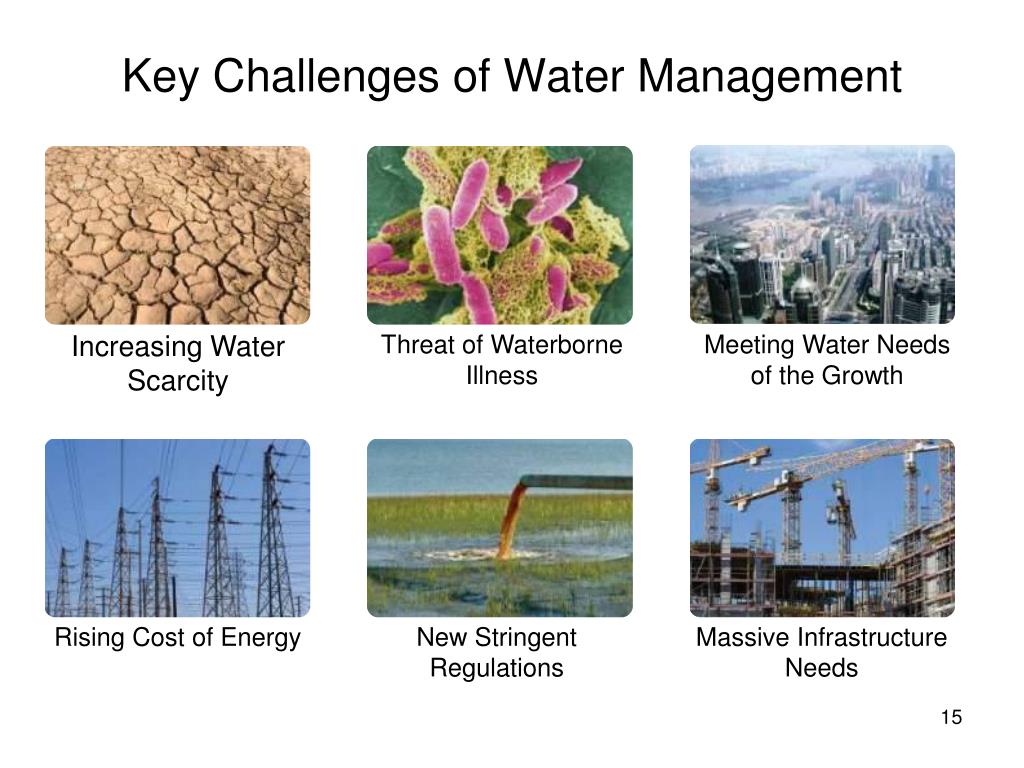
- Resource Diversion: The movement of groundwater from rural south to urban north, as seen in the Disi project.
- Infrastructure Friction: The psychological and social impact of pipelines transporting water past parched communities.
- Environmental Decline: Dropping water tables forcing wells to be drilled to depths exceeding half a mile.
- Urban Bias: Prioritizing the water needs of populous cities over the agricultural viability of the countryside.
The Human Cost of the Urban-Rural Divide
The social consequences of these water policies are profound. When rural communities feel their resources are being stolen to support urban sprawl, it erodes trust in government institutions. The “pilfering” of groundwater is not just an environmental issue but a human rights concern, as it threatens the food security and economic survival of those who live in the rural far south.
The divide is further widened by the “urban fringe” effect, where those living on the outskirts of expanding cities face the worst of both worlds: they are often too far from the urban core to benefit from municipal water networks, yet too close to urban expansion to maintain their traditional water rights and access.
As water scarcity intensifies, the potential for conflict increases. The anger in communities like al-Jafr is a warning sign that the current model of urban water procurement—extracting from the rural periphery to feed the center—is becoming socially and politically unsustainable. Without a shift toward decentralized water management and equitable distribution, the fight for water will likely intensify across the Global South.
| Water Source/Metric | Detail/Percentage |
|---|---|
| Average Annual Rainfall | 250 mm (Range: 30–570 mm) |
| Surface Water Contribution | 59% |
| Groundwater Contribution | 27% |
| Availability for Domestic Consumption | 42% of total available water |
| Per Capita Availability | 100 to 200 m³ |
The path forward requires a transition from megaprojects that move water across vast distances to integrated systems that prioritize local conservation. Investing in long-term urban infrastructure that incorporates rainwater harvesting and decentralized sanitation could alleviate the pressure on rural groundwater, potentially easing the tensions between the city and the countryside.
As of April 2026, the tension remains high in regions where water is diverted, and the rural populations continue to advocate for the protection of their local aquifers. There are currently no confirmed dates for modern policy revisions regarding the Disi Water Conveyance Project, but the growing social unrest suggests a pressing need for a revised approach to water equity.
We invite our readers to share their perspectives on the balance between urban development and rural resource protection in the comments below.