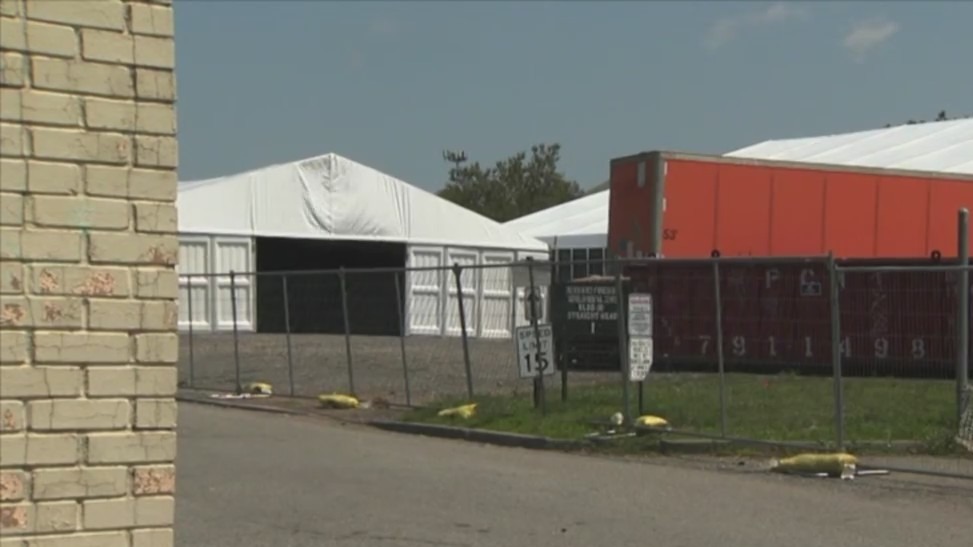
In IJsselstein, a municipality in the Netherlands, plans to establish temporary housing for asylum seekers on a football field used by local amateur club IJFC have sparked significant controversy. The decision, made by the municipal council, involves placing woonunits (housing units) on Veld 2 of the sportpark Groenvliet to accommodate between 100 and 150 individuals for a period of up to six months. Work on preparing the site is scheduled to begin at the end of April and last approximately four weeks.
The initiative follows a national call from the Dutch Minister for Asylum and Migration and the Central Agency for the Reception of Asylum Seekers (COA) for municipalities to contribute additional emergency shelter capacity amid growing pressure on the country’s asylum system. IJsselstein officials state they are responding to this urgent request, emphasizing their prior experience in managing crisis shelter operations, including during the 2022/2023 period and ongoing support for Ukrainian refugees.
However, representatives of IJFC and other users of the sportpark say they were not consulted before the decision was finalized. According to statements from the club, neither IJFC nor VVIJ, the other association sharing the facilities at sportpark Groenvliet, were informed in advance of the plan to use the football field for emergency housing. The club’s chairman, Remco Bloemheuvel, expressed surprise at the development, noting that while the humanitarian require is understood, the lack of communication has damaged trust and raised concerns about safety, access to facilities, and the impact on youth training programs.
Bloemheuvel also highlighted practical worries, including the loss of a quarter of the club’s pitch capacity and questions about whether alternative arrangements can be made for teams and youth activities during the six-month period. He emphasized that the absence of dialogue risks undermining community support for the initiative, warning that poor consultation could lead to broader resistance.
Municipal officials, including Wethouder Edwin Tas, have stated that they informed the sportpark’s user groups and nearby residents as part of their process. Tas referenced past successful collaborations with IJFC during previous emergency housing efforts, expressing confidence that cooperation can be restored through ongoing discussions about logistics, field adjustments, and post-occupation pitch restoration. The municipality says It’s working with COA to explore supportive services such as education, day activities, and collaboration with local organizations.
The situation reflects a wider challenge faced by Dutch municipalities in balancing humanitarian obligations with local stakeholder engagement, particularly when repurposing community spaces like sports fields for emergency use. As preparations proceed, the focus remains on reaching agreement between the municipality, COA, IJFC, and other affected parties to ensure both the humanitarian operation and the club’s future use of the facility are addressed transparently.