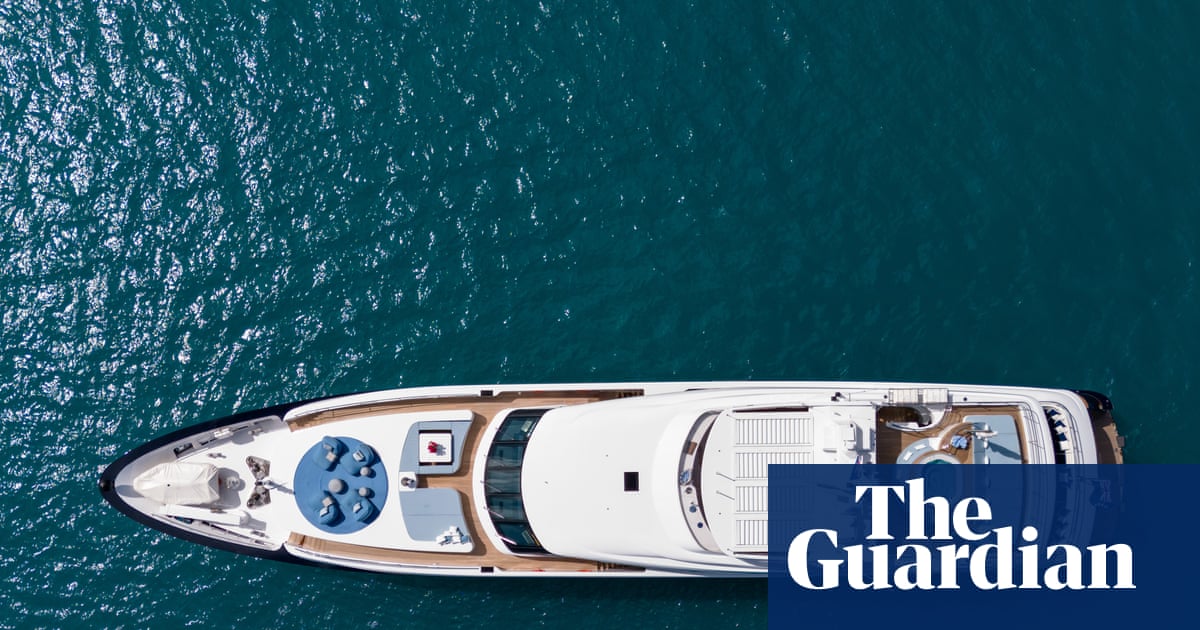
Australia’s Luxury Rehab Boom: Superyacht Treatment for the Privileged Few
While an estimated 500,000 Australians struggle to access addiction treatment each year due to cost, location, or system gaps, a growing niche market offers ultra-private rehabilitation at staggering prices. One such program operates aboard the superyacht Mischief, where a week of care costs approximately $600,000 AUD. This floating facility, marketed as Ocean Blue Retreat, anchors in the Whitsundays and provides round-the-clock medical and psychiatric support to a small number of high-net-worth clients. The stark contrast between this luxury option and the public system’s strain has ignited debate about equity in healthcare access across Australia.
The program, which launched in 2023, combines evidence-based addiction therapy with amenities typically found on luxury cruise liners: private cabins, gourmet meals, a spa, gym, and water sports equipment. Staff include psychiatrists, psychologists, addiction specialists, and nurses, maintaining a reported staff-to-client ratio of nearly 14:1. Clients typically stay for four to twelve weeks, undergoing detox, cognitive behavioural therapy, trauma counselling, and relapse prevention planning. Admission requires medical screening and proof of financial capacity, with most clients coming from Australia, Asia, and the Middle East.
Official data from the Australian Institute of Health and Welfare (AIHW) confirms that in 2022–23, only about 180,000 people received publicly funded treatment for alcohol and other drug issues, despite over 1.3 million Australians reporting recent illicit drug use. Waiting times for public residential rehab can exceed six months in regional areas, while private urban clinics often charge between $1,000 and $2,500 per day. The Ocean Blue program, by comparison, amounts to roughly $85,000 per day — placing it among the most expensive therapeutic interventions globally.
Dr. Nicole Lee, professor of addiction studies at Curtin University and a frequent advisor to government drug policy panels, notes that while luxury rehabs may offer comfort and privacy, there is no peer-reviewed evidence that extravagant settings improve long-term recovery outcomes. “What matters most in addiction treatment is consistent access to qualified clinicians, evidence-based therapies, and aftercare support — not the view from the deck,” she said in a 2024 interview with the Medical Journal of Australia. “Programs like this serve a very small demographic and do nothing to address the systemic barriers faced by the majority of Australians seeking help.”
The Economics of Exclusive Care
The $600,000 weekly fee covers not only clinical services but also yacht maintenance, crew salaries, fuel, provisioning, and port fees across the Great Barrier Reef Marine Park. Operating such a vessel requires permits from the Australian Maritime Safety Authority (AMSA) and compliance with biosecurity laws enforced by the Department of Agriculture, Fisheries and Forestry. Ocean Blue Retreat states on its website that it holds all necessary commercial tourism and health facility licenses, though specific registration numbers are not publicly disclosed.
Industry analysts at IBISWorld estimate that Australia’s private rehabilitation sector generated approximately $1.2 billion in revenue in 2023, with luxury wellness retreats representing a growing — though still minor — segment. Demand for high-end mental health and addiction services has risen since the pandemic, particularly among executives and entrepreneurs seeking discreet, flexible treatment options. Some providers now offer “mobile rehab” models, using chartered yachts or private jets to deliver care across international waters, thereby circumventing certain local advertising or zoning restrictions.
Critics argue that these models exploit regulatory grey areas. In 2022, the Therapeutic Goods Administration (TGA) issued a warning about unverified wellness claims made by offshore-adjacent health retreats, emphasizing that any service offering medical treatment must comply with Australian health practitioner regulations regardless of location. While Ocean Blue Retreat employs licensed Australian clinicians, questions remain about oversight when care is delivered beyond the 12-nautical-mile territorial limit.
Public System Strain and Equity Concerns
The disparity between luxury and public care options reflects broader challenges in Australia’s healthcare system. According to the Productivity Commission’s 2023 report on mental health, nearly 60% of people with substance use disorders do not receive any treatment, with Indigenous Australians, low-income earners, and those in remote areas disproportionately affected. Funding for public drug and alcohol services has grown slowly — increasing by just 1.8% annually in real terms over the past decade — while demand has risen faster.
In response, the federal government announced in May 2024 a $247 million investment over four years to expand community-based treatment hubs and reduce waiting times. While, advocates from the Alcohol and Drug Foundation say this falls short of what is needed to close the treatment gap. “We’re not arguing against innovation in care delivery,” said Erin Lalor, CEO of the foundation. “But when a week on a superyacht costs more than what many Australians earn in a year, it highlights a profound imbalance in who gets help — and how quickly.”
Ocean Blue Retreat maintains that its model complements, rather than replaces, public services, pointing to occasional scholarship programs and partnerships with medical researchers. Independent verification of such initiatives remains limited, and the company has not published outcome data or participated in third-party audits of its clinical efficacy.
What In other words for the Future of Addiction Care
The emergence of floating luxury rehabs underscores a global trend toward personalized, high-touch wellness experiences — but also raises ethical questions about access, accountability, and the commercialization of healing. As private operators innovate with mobile and exclusive models, policymakers face pressure to ensure that advancements in treatment do not deepen existing inequities.
For now, the Mischief continues its seasonal circuit through the Whitsundays, offering a secluded path to recovery for those who can afford it. Meanwhile, hundreds of thousands of Australians wait — often in silence — for care that remains out of reach.
Next official update: The Australian Institute of Health and Welfare is scheduled to release its annual report on alcohol and other drug treatment services in October 2024. This will provide the latest verified statistics on public and private treatment access nationwide.
If you or someone you know is struggling with substance use, help is available. Contact Lifeline Australia at 13 11 14 or visit alcohol.gov.au for confidential support and treatment locators.
Keep reading