
Tensions between the United States, Israel, and Iran have escalated significantly since late February 2026, following coordinated military strikes on Iranian territory. The conflict intensified after weeks of rising rhetoric and military posturing, culminating in a major offensive launched by U.S. And Israeli forces on February 28, 2026.
According to verified reports from the Council on Foreign Relations’ Global Conflict Tracker, the strikes targeted key Iranian military assets and resulted in the killing of Supreme Leader Ayatollah Ali Khamenei. In the aftermath, Iran’s Assembly of Experts appointed his son, Mojtaba Khamenei, as his successor. The operation was described by Israeli Prime Minister Benjamin Netanyahu as a last-resort effort to prevent Iran from acquiring nuclear weapons.
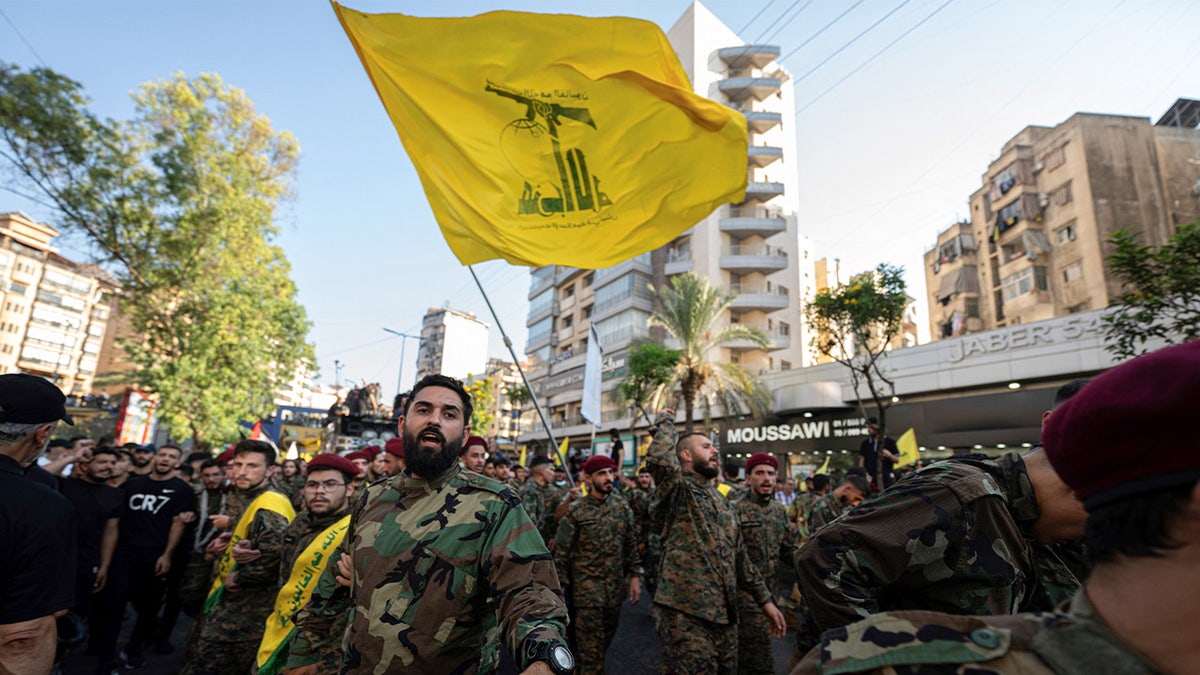
Iran has since retaliated by targeting U.S. Military facilities across the region, striking locations in Israel, and attacking energy and civilian infrastructure in Gulf states. The conflict has expanded beyond direct U.S.-Iran-Israel engagements, with Iran-backed groups such as the Houthis in Yemen launching ballistic missiles at Israel and Hezbollah firing rockets into northern Israel, both citing solidarity with Iran amid the broader regional war.
Israel has responded with military operations into southern Lebanon following Hezbollah rocket attacks, while too conducting strikes in Syria linked to Iranian supply chains. Civilian casualties have been reported on all sides, with Iran’s ambassador to the United Nations stating that more than 1,500 civilians have been killed since the conflict began, including at least 175 people killed in a reported U.S. Strike.
Diplomatic Efforts and International Reactions
Despite the ongoing hostilities, there have been intermittent signals of potential diplomatic engagement. In early April 2026, former U.S. President Donald Trump described the possibility of another round of talks with Iran as “possible” over the coming weekend, though no formal negotiations have been confirmed by the Biden administration or Iranian officials.
The international community has expressed deep concern over the widening conflict, with calls for de-escalation coming from the United Nations, the European Union, and various non-aligned nations. Human rights organizations have warned of a growing humanitarian crisis, particularly in urban areas of Tehran and southern Lebanon, where infrastructure damage has disrupted access to water, electricity, and medical care.
Regional allies of the United States, including Saudi Arabia and the United Arab Emirates, have reportedly increased air defense readiness while urging restraint, fearing further disruption to global oil shipping lanes through the Strait of Hormuz. Meanwhile, Russia and China have urged dialogue and criticized what they describe as unilateral military actions lacking UN Security Council authorization.
Humanitarian Impact and Civilian Displacement
The war has taken a significant toll on civilian populations across the region. In Iran, reports indicate widespread damage to energy infrastructure, including strikes on oil depots in Tehran and other major cities. Power outages and fuel shortages have been reported in multiple provinces, affecting hospitals and essential services.
In Israel, northern communities near the Lebanese border have experienced repeated rocket alerts, prompting evacuations and school closures. The Israel Defense Forces have activated reserve units and deployed Iron Dome batteries to intercept incoming projectiles, though some have reached populated areas.
In Lebanon, Israeli military operations in the south have displaced tens of thousands of residents, with many seeking refuge in Beirut and other northern cities. The Lebanese government has appealed for international aid, citing strained resources and overburdened shelters.
Iran’s UN representative emphasized that the majority of civilian casualties have resulted from strikes on residential neighborhoods and critical infrastructure, though independent verification of specific casualty figures remains challenging due to restricted access and fog of war conditions.
Current Status and Outlook
As of mid-April 2026, active combat continues along multiple fronts, with no ceasefire in place. U.S. Central Command has maintained a heightened posture in the region, including carrier strike groups in the Eastern Mediterranean and Persian Gulf. Israel has kept its northern and southern commands on high alert, citing ongoing threats from Hezbollah, and Hamas.
Diplomatic channels remain largely inactive, though backchannel communications are believed to be ongoing through intermediaries in Oman and Qatar. No formal peace talks have been convened, and both Washington and Tehran have preconditioned negotiations on significant de-escalation steps from the other side.
The next key development to watch is any potential movement toward humanitarian pauses or limited confidence-building measures, which could emerge from UN-led initiatives or regional mediation efforts. Yet, as of now, You’ll see no confirmed dates for such talks.
This conflict represents one of the most dangerous escalations in Middle East tensions in recent decades, with far-reaching implications for regional stability, global energy markets, and international non-proliferation efforts.
Stay informed with verified updates from trusted international sources. Share this article to help others understand the evolving situation, and join the conversation in the comments below.
Keep reading
- US Navy Continues Maritime Blockade of Iran, Diverting Dozens of Commercial Ships
- Space Waste Heat Problem: Caltech’s Challenge Explained
- California Top-Two Primaries: Strategic Impact on Congressional Races (world-today-news.com)
- Sony Pictures Updates Box Office Projections for Christopher Nolan Film (newsdirectory3.com)