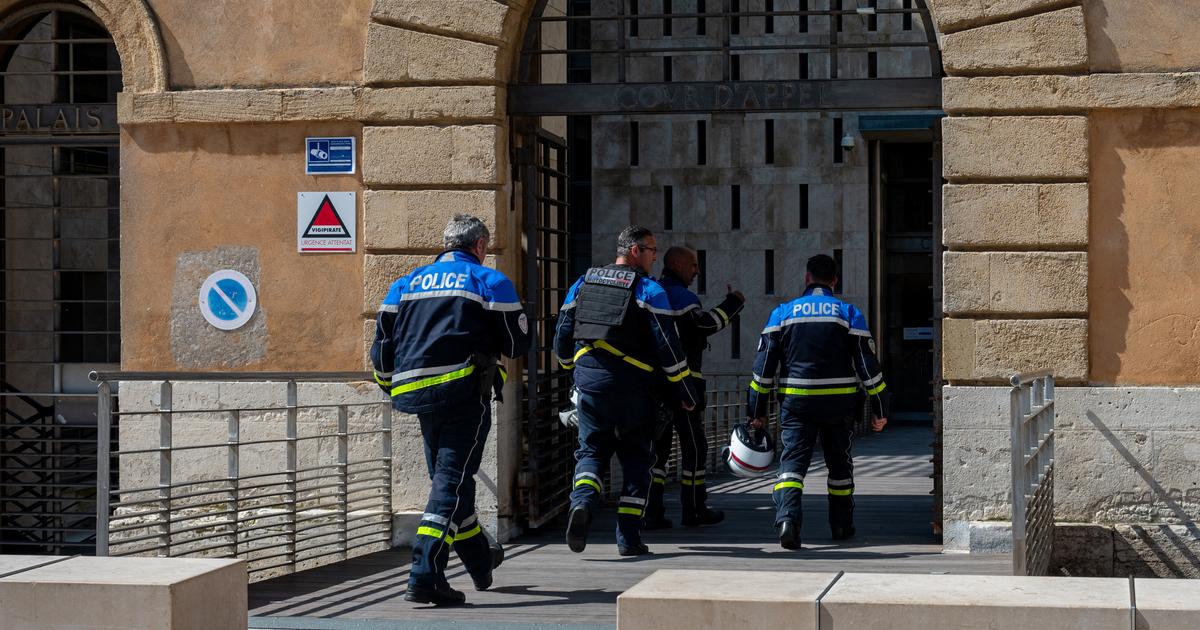
A judicial ruling in France has delivered a significant blow to the alleged leadership of the “DZ Mafia,” a criminal organization linked to violence and instability in the southern region. In a high-profile trial, Gabriel Ory has been sentenced to 25 years in prison, marking a pivotal moment in the legal effort to dismantle the network’s influence in Marseille and Aix-en-Provence.
The sentencing follows an extensive investigation into the group’s activities, which have long troubled the Bouches-du-Rhône department. Even as Ory received a quarter-century sentence, the court’s decisions were not uniform across all defendants; while several were convicted, another individual involved in the proceedings was acquitted.
This legal action targets the “cadres” or executives of the organization, reflecting a strategic shift by French authorities to move beyond arresting street-level operatives and instead target the architects of the criminal enterprise. The trial highlights the ongoing struggle to curb organized crime in the Provence region, where the intersection of urban centers like Marseille and Aix-en-Provence has often served as a hub for illicit operations.
The Conviction of Gabriel Ory and the DZ Mafia Trial
The 25-year prison sentence handed to Gabriel Ory serves as a stark reminder of the severity with which the French judiciary is treating the leadership of the DZ Mafia. The court’s decision underscores the gravity of the charges brought against the group’s presumed executives, focusing on the structural nature of the organization and its impact on public safety in southern France.
The DZ Mafia has been associated with a series of violent incidents and criminal activities spanning multiple cities. By securing a lengthy sentence for Ory, prosecutors aim to disrupt the command-and-control hierarchy of the group. The trial focused heavily on the roles played by the accused in coordinating activities across Marseille and Aix-en-Provence, two cities that have seen significant police operations to combat gang-related violence.
The legal proceedings were characterized by a detailed examination of the group’s internal structure. The prosecution presented evidence intended to prove that the defendants were not merely associates but were “cadres” responsible for the strategic direction of the organization. The resulting convictions are seen as a victory for the investigative services that spent years mapping the network’s connections.
Impact on Marseille and Aix-en-Provence
The operational reach of the DZ Mafia has historically extended across the Provence region, creating a corridor of criminality between the port city of Marseille and the inland hub of Aix-en-Provence. The sentencing of Ory and his associates is intended to alleviate the pressure on these communities, which have faced escalating tensions linked to organized crime.
Marseille, in particular, has been the epicenter of a violent conflict between rival gangs, often involving high-caliber weaponry and public shootouts. The dismantling of the DZ Mafia’s leadership is viewed as a necessary step in reducing the frequency of these clashes. By removing key figures from the equation, authorities hope to create a power vacuum that can be filled by law enforcement stability rather than another rival faction.
In Aix-en-Provence, the influence of such organizations often manifests in different ways, including the infiltration of legal businesses and the use of the city as a logistical base for operations. The court’s focus on the “cadres” suggests an understanding that the organization’s strength lies in its ability to operate across different urban environments, blending high-level coordination with street-level enforcement.
Key Takeaways from the Ruling
- Gabriel Ory’s Sentence: Convicted and sentenced to 25 years in prison.
- Targeted Leadership: The trial specifically focused on the “cadres” or executives of the DZ Mafia.
- Geographic Scope: The criminal activities were centered in Marseille and Aix-en-Provence.
- Mixed Verdicts: While major convictions were secured, at least one defendant was acquitted.
For those seeking further information on the legal landscape of the region, the administrative and educational hubs of the area, such as Aix-Marseille University, continue to operate as central pillars of the community amidst these ongoing security challenges.
The next phase of this legal process will likely involve appeals by the convicted parties. While the 25-year sentence for Gabriel Ory stands as the current judicial benchmark, the full extent of the DZ Mafia’s dismantling will depend on subsequent police actions and the potential for further indictments of associated members.
If you have insights on the impact of organized crime in southern France or wish to discuss the judicial outcomes of this trial, please share your thoughts in the comments below.