The race for global satellite connectivity just took a massive leap forward. Amazon has officially entered the fray as a direct competitor to SpaceX’s Starlink, announcing a deal to acquire satellite operator Globalstar in a move that significantly bolsters its ambitions for direct-to-device mobile connectivity.
In a strategic bid to challenge Starlink’s dominance in the smartphone satellite market, Amazon has agreed to purchase Globalstar’s low-Earth orbit (LEO) satellite network for $11.57 billion in cash. This acquisition allows Amazon to integrate Globalstar’s spectrum licenses, operations, and existing assets into its own upcoming satellite constellation, known as Amazon Leo.
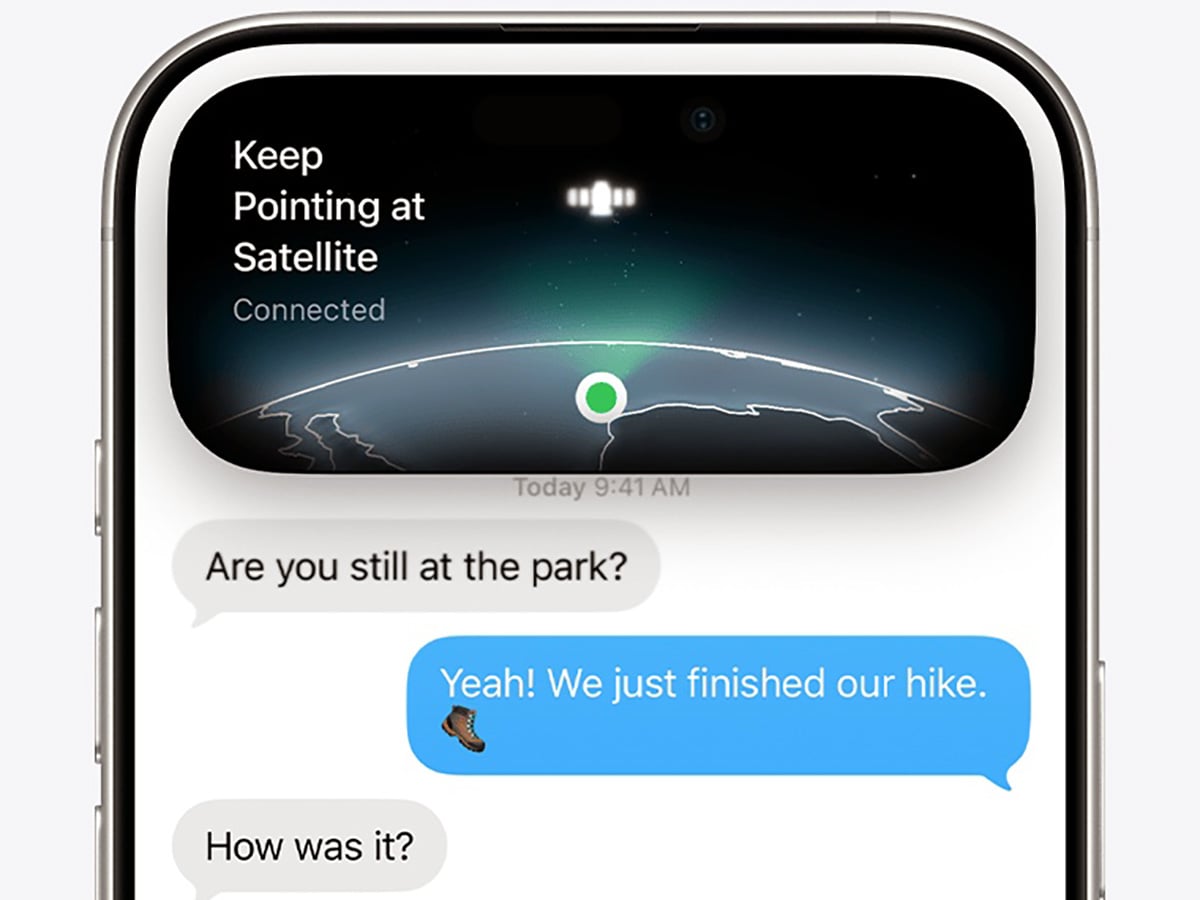
The deal is particularly significant given that it secures a critical partnership with Apple. As part of the agreement, Amazon will take over Globalstar’s existing deal with Apple, ensuring that essential satellite services—such as the Emergency SOS feature for iPhones and Apple Watches—continue to operate without interruption. This effectively positions Amazon as a key infrastructure provider for two of the world’s most valuable tech companies.
Even as the announcement marks a bold expansion for Amazon, the deal is not immediate. The acquisition is currently scheduled to close in 2027, pending the necessary approvals from government regulators according to reports.
The Strategic Battle: Amazon Leo vs. Starlink Mobile
For years, Elon Musk’s Starlink has held a commanding lead in the orbital internet space. By the end of 2025, SpaceX reported having more than 650 cellular-equipped satellites in orbit out of a total constellation of approximately 10,000 satellites per company data. Starlink’s “Direct-to-Cell” service operates by partnering with mobile carriers—such as T-Mobile in the United States—to provide messaging and connectivity services directly to standard smartphones.
Amazon’s strategy with the Globalstar acquisition is to create a hybrid approach. By acquiring Globalstar’s existing direct-to-device capabilities and combining them with the planned Amazon Leo network, the company aims to offer high-speed connectivity globally. Amazon has stated its intention to perform with mobile network operators to ensure reliable connectivity for customers regardless of their location on Earth.
The scale of the two operations remains vastly different. While Starlink operates thousands of satellites, Globalstar currently has about 25 satellites in operation as of April 2026. Whereas, Globalstar has agreements in place to acquire more than 50 novel satellites and has an existing agreement with SpaceX to launch replacement satellites this year.
Fleshing Out Amazon Leo
The acquisition comes at a critical juncture for Amazon Leo. The project is slated to eventually launch with more than 3,200 satellites in low-Earth orbit, though it has faced significant delays. To date, Amazon has launched only about 200 satellites and was forced to request an extension from the Federal Communications Commission (FCC) for a deadline requiring 1,600 satellites to be in orbit by July of this year per industry reports.
Despite these hurdles, Amazon CEO Andy Jassy has recently touted a growing roster of customers for the service, which includes high-profile entities such as NASA, Delta Airlines, Vodafone, AT&T, and Australia’s National Broadband Network. The company is also diversifying its hardware, recently showcasing a new satellite internet antenna designed specifically for commercial aircraft to provide high-speed inflight internet.
The Apple Connection and Market Impact
The role of Apple in this transaction is pivotal. Before this deal, Apple owned 20 percent of Globalstar. By Amazon taking over the Globalstar network and the associated agreement with Apple, Amazon secures a guaranteed pipeline of users and a high-profile partnership that validates its satellite ambitions.

This move transforms the competitive landscape. Instead of just competing as a provider of internet hardware, Amazon is now positioning itself as a critical utility for the mobile ecosystem. By powering the satellite features of the iPhone and Apple Watch, Amazon gains a foothold in the consumer electronics space that Starlink has attempted to capture through carrier partnerships.
| Feature | Starlink (SpaceX) | Globalstar (Acquired by Amazon) |
|---|---|---|
| Approximate Satellite Count | 10,000+ total / 650+ cellular | ~25 in operation |
| Primary Strategy | Carrier partnerships (e.g., T-Mobile) | Direct-to-device (e.g., Apple) |
| Key Hardware Partners | Mobile Network Operators | Apple (iPhone, Apple Watch) |
| Service Scope | Global retail and business internet | Emergency SOS and specialized connectivity |
What This Means for the Future of Connectivity
The entry of Amazon into the direct-to-device satellite market signals a shift toward “universal connectivity,” where the gap between cellular dead zones and connected areas disappears. For the average consumer, this means that features like Emergency SOS—currently a lifeline for hikers or travelers in remote areas—could evolve into more robust messaging and data services integrated directly into the operating system of their devices.
For the industry, the $11.57 billion price tag—representing $90 per share—highlights the immense value placed on spectrum licenses and orbital infrastructure according to the deal terms. As Amazon works to meet its FCC requirements and scale its constellation, the competition with SpaceX will likely intensify, potentially driving down costs and accelerating the deployment of satellite-to-smartphone technology.
The next major milestone for this venture will be the regulatory review process. The deal is expected to undergo scrutiny before its scheduled closing in 2027. Until then, Amazon will focus on integrating Globalstar’s assets and continuing the rollout of the Amazon Leo constellation to meet its orbital deadlines.
Do you think Amazon’s partnership with Apple gives them a competitive edge over Starlink’s carrier-based model? Share your thoughts in the comments below.
Worth a look
- Anker Prime 6-in-1 Charging Station Deal: Get 140W Fast Charging for $60
- Insta360 X6 Officially Announced: Features, Price, and Specifications
- Twitch lets users opt out of Amazon using stream data to train AI models (time.news)
- How to Opt Out of Twitch Using Your Streams for Amazon AI Training (world-today-news.com)