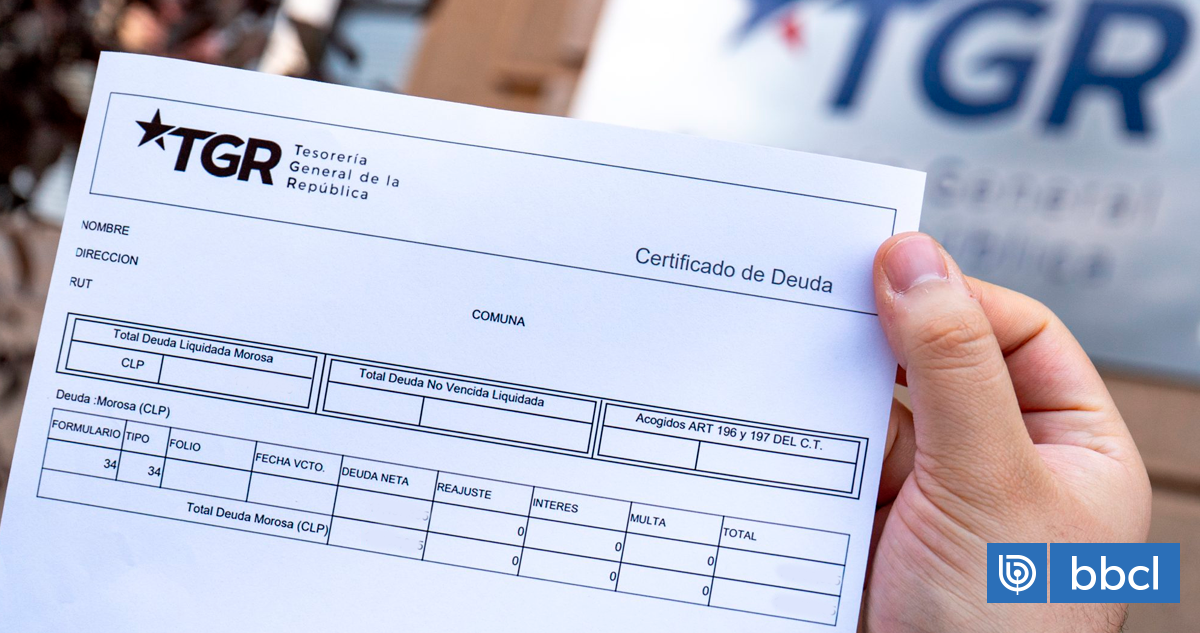
A legal challenge regarding student debt has reached a critical juncture in Chile, as the Court of Appeals in Talca has intervened to halt the collection and seizure of assets for a debtor of the Crédito con Garantía del Estado (CAE). This decision marks a significant moment for individuals struggling with the state-guaranteed loan system, as the court has moved to suspend aggressive recovery efforts.
The ruling follows the filing of a recurso de protección (protection action), a legal mechanism used in Chile to safeguard constitutional rights when they are threatened or violated by arbitrary or illegal acts. By declaring the resource admissible, the court has effectively paused the execution of debt collection measures, providing temporary relief to the affected borrower.
The core of the dispute centers on the “mandamiento de ejecución y embargo,” the legal order that allows creditors to seize property or assets to satisfy an outstanding debt. In this specific case, the court’s decision to halt these proceedings suggests a judicial willingness to examine the legality or fairness of the collection process currently being applied to CAE debtors in the region.
Judicial Intervention in Talca
The Corte de Apelaciones de Talca has officially admitted the protection resource, which argues that the specific debt collection process in question is unjustified. This action prevents the immediate seizure of the debtor’s assets while the court reviews the merits of the case.
The legal strategy employed here focuses on the argument that the debt collection and subsequent embargo orders are improper. When a protection resource is admitted, it often implies that the court sees a prima facie case that the individual’s fundamental rights may be at risk, necessitating a stay of execution to prevent irreparable harm during the trial.
Understanding the CAE Debt Conflict
The Crédito con Garantía del Estado (CAE) is a state-guaranteed loan intended to help students finance higher education. However, it has turn into a point of intense social and legal friction in Chile due to high interest rates, long repayment terms, and the difficulty many graduates face in meeting payment obligations.
For many debtors, the transition from monthly payments to judicial collection—where the state or financial institutions seek to seize wages or property—has led to a surge in legal challenges. The case in Talca reflects a broader trend of borrowers seeking judicial protection against the “mandamiento de ejecución,” arguing that the enforcement of these debts may be arbitrary or disproportionate.
Impact of the Court’s Decision
The immediate impact of this ruling is the suspension of the embargo process for the specific individual involved. This means that any pending orders to seize assets or freeze accounts related to this specific CAE debt are currently inactive.

While this is an individual ruling, it serves as a potential precedent for other CAE debtors in the Maule Region and beyond. If the court eventually rules that the collection methods were illegal or violated constitutional protections, it could open the door for a wider range of borrowers to challenge their own seizure orders via similar protection resources.
Key Takeaways for CAE Debtors
- Legal Recourse: The use of a recurso de protección can be an effective tool to temporarily stop the seizure of assets.
- Court Status: The Court of Appeals of Talca has declared the resource admissible, pausing the “mandamiento de ejecución y embargo.”
- Core Argument: The challenge is based on the claim that the specific debt collection process is improper or arbitrary.
- Scope: This is a judicial intervention specifically targeting the enforcement phase of the debt, even if the debt itself remains on the books.
The next confirmed step in this legal process will be the court’s final determination on the merits of the protection resource, which will decide whether the debt collection is permanently halted or if the embargo process may resume. Those affected by similar CAE debt issues are encouraged to monitor official filings from the Court of Appeals of Talca for further updates.
Do you have a perspective on the legal challenges facing student debtors? Share your thoughts in the comments below or share this article with others who may identify this legal development relevant.