Tuberculosis, an infectious disease that many in the developed world believe to be a relic of the past, is seeing a concerning resurgence in specific regions. Recent surveillance data indicates that tuberculosis cases in the Netherlands have climbed back to levels not seen since before the COVID-19 pandemic, signaling a critical need for renewed vigilance in public health screening and treatment.
As a physician and health journalist, I have watched the global trajectory of infectious diseases closely. The current trend in the Netherlands is not an isolated anomaly but rather a reflection of broader global migration patterns and the aftermath of pandemic-era social distancing. When we see an increase in incidence rates, it is often a prompt to examine the vulnerabilities within our healthcare infrastructure and the specific populations most at risk.
The most recent data reveals a distinct upward trend. In 2024, there were 768 reported patients with tuberculosis (TB) in the Netherlands, representing an incidence rate of 4.3 per 100,000 inhabitants. This figure marks a 9% increase compared to the 703 cases reported in 2023, returning the numbers to levels similar to those recorded in 2019, when 754 cases were reported according to the National Institute for Public Health and the Environment (RIVM).
Analyzing the 2024 Data: A Post-Pandemic Surge
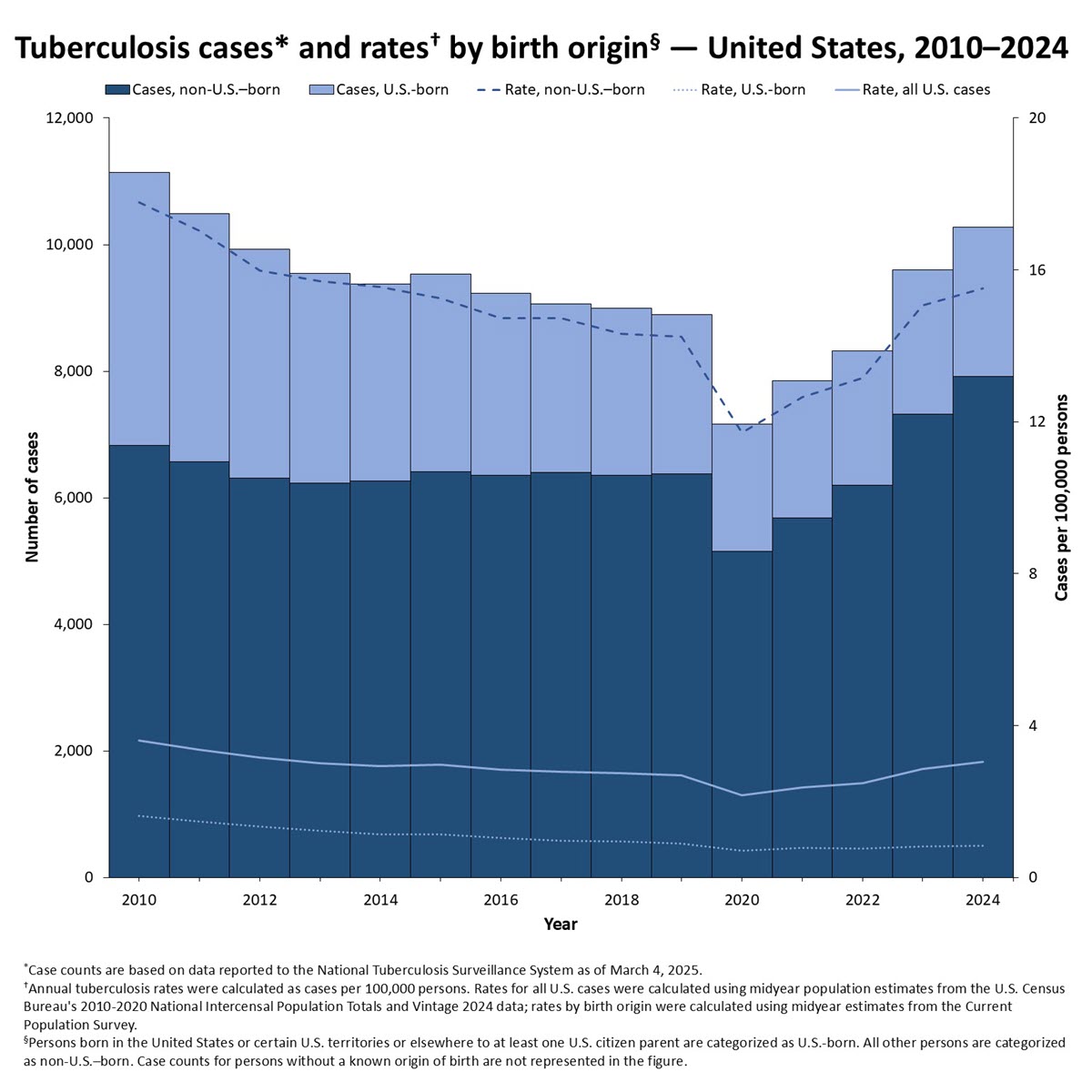
The fluctuation in TB numbers over the last few years provides a clear window into how social behavior affects disease transmission. During the COVID-19 pandemic, the Netherlands saw a significant drop in TB cases. This was largely attributed to the stringent measures implemented to curb the coronavirus, such as social distancing, limited contact, and travel restrictions, which inadvertently hindered the transmission of TB.
However, as these measures were phased out, transmission rates began to rise again. Beyond the return to normal social interactions, public health officials have noted a significant factor: the increased inflow of immigrants and asylum seekers from countries where tuberculosis remains endemic. Because TB is a highly contagious bacterial infection that spreads through the air, the movement of people from high-burden regions naturally increases the potential for novel cases within the host country.
To manage this risk, the Netherlands employs a mandatory screening process for immigrants and asylum seekers upon their arrival. This systemic approach is designed to ensure that the disease is detected early and treated immediately, preventing community spread. Despite these efforts, the 2024 figures show that the burden of the disease remains heavily concentrated among non-native populations.
Demographics and Vulnerable Populations
The data underscores a stark disparity in who is affected by tuberculosis in the Netherlands. In 2024, 81% of the reported patients—622 out of 768 individuals—were born outside of the country. This percentage is consistent with the 82% recorded in 2023 as detailed by RIVM surveillance.
The highest concentrations of cases were found among individuals born in Eritrea (96 cases), Somalia (45 cases), and Morocco (44 cases). Among those from Eritrea and Somalia, a significant number were asylum seekers who had been in the Netherlands for less than 2.5 years at the time of their diagnosis. This highlights the critical importance of the initial screening window and the ongoing need for healthcare access for newly arrived populations.
Age also plays a role in susceptibility and detection. Among the group of patients not born in the Netherlands, the highest incidence rate was observed in those between the ages of 15 and 25. This demographic often faces unique social and economic stressors that can complicate health outcomes and treatment adherence.
The Global Burden and the Path to Cure
Although the numbers in the Netherlands may seem little compared to other health crises, they are a microcosm of a devastating global struggle. Tuberculosis remains the most deadly infectious disease in the world. Every year, approximately 1.3 million people die from TB, and nearly 600 children succumb to the disease every single day according to data from the KNCV Tuberculosefonds.
The tragedy of these statistics is that tuberculosis is both preventable and curable. When the disease is detected early and the patient completes a rigorous course of antibiotic treatment, the prognosis is generally positive. However, the path to a cure is often obstructed by late diagnosis, poverty, and the emergence of drug-resistant strains of the bacteria.
In the Netherlands, the fight against TB is a collaborative effort. The KNCV Tuberculosefonds, which has supported TB control since 1903, works alongside GGDs (municipal health services), the RIVM, and various professional medical organizations to ensure that patients receive the care they need and that the public remains protected.
Key Takeaways on TB Trends
- Rising Incidence: TB cases in the Netherlands rose by 9% between 2023 and 2024, reaching 768 reported patients.
- Pandemic Effect: The dip in cases during the COVID-19 pandemic was temporary, with numbers returning to 2019 levels as social distancing ended.
- Primary Risk Groups: 81% of patients in 2024 were born abroad, with the highest numbers originating from Eritrea, Somalia, and Morocco.
- Critical Age Bracket: Among non-native born patients, those aged 15 to 25 showed the highest incidence.
- Global Context: TB causes 1.3 million deaths annually worldwide, though it remains treatable if caught early.
Understanding Tuberculosis: A Brief Guide
| Feature | Details |
|---|---|
| Cause | Bacterial infection (Mycobacterium tuberculosis) |
| Transmission | Airborne droplets (coughing, sneezing) |
| Primary Target | Lungs (though it can affect the brain, kidneys, and spine) |
| Treatment | Long-term course of specific antibiotics |
| Preventative Measure | Early screening and prompt treatment |
For those living in areas with increasing rates, it is important to remember that tuberculosis is not a cause for panic, but a call for proactive health management. Early detection is the only way to stop the chain of transmission. If individuals experience a persistent cough, fever, or unexplained weight loss, seeking medical evaluation is essential.

The current situation in the Netherlands serves as a reminder that infectious disease control is a continuous process. As global migration continues and the world recovers from the disruptions of the pandemic, the integration of mandatory screening and accessible healthcare will remain the primary defense against the return of this ancient disease.
Public health authorities will continue to monitor these trends through the annual surveillance reports. The next official update on tuberculosis epidemiology in the Netherlands is expected to follow the standard RIVM reporting cycle.
Do you have questions about public health screenings or the current state of infectious disease control? Share your thoughts in the comments below or share this article to support spread awareness about TB prevention.
Keep reading
- Virus du Nil occidental : les cas en hausse Europe, comment se protéger (efficacement) des piqûres de moustiques ? – Actu.fr
- Tengo turno con el dentista, ahora vuelvo”. La graciosa reacción de Scaloni en su casa de Pujato …
- Akawa Butte Fire: 27,000-Acre Oregon Blaze Named Nation’s Highest Priority (time.news)
- Wildfire Preparedness Level 5, Explained: Why the Alarm Just Maxed Out (daybreakwire.com)