
The landscape of the global gaming industry is shifting, moving away from the traditional “walled garden” approach toward a more fluid, cross-platform ecosystem. Although the industry has long been defined by the console war—the intense competition between hardware manufacturers to dominate market share—the strategies of the three major players, Microsoft, Sony, and Nintendo, are diverging in significant ways.
Recent industry trends suggest a strategic pivot by Microsoft, which has leaned heavily into a multi-platform approach to expand its reach. This shift contrasts with the more traditional hardware-centric models of Sony and Nintendo, leading to a new dynamic where software accessibility and service integration are becoming as critical as the consoles themselves.
Despite their commercial competition, these industry giants are finding common ground in areas of social responsibility. In early 2026, a rare alignment occurred as the three companies moved beyond their rivalry to address the safety of their global user bases, particularly focusing on the protection of minors.
The Evolution of the Console War
Historically, a console war is defined as the competition between two or more video game console manufacturers competition between video game console manufacturers. These conflicts typically involve direct tactics to compare offerings or disparage competitors to drive hardware sales. The term gained significant traction during the late 1980s and early 1990s during the high-profile rivalry between Sega and Nintendo as Sega sought to penetrate the United States market with the Sega Genesis.
Today, the nature of this competition has evolved. While hardware specifications remain a point of contention, the battle has shifted toward ecosystem lock-in and subscription services. Microsoft’s current trajectory emphasizes a “play anywhere” philosophy, reducing the reliance on a single piece of hardware to deliver its gaming content. This multi-platform strategy allows the company to capture revenue from users regardless of whether they own an Xbox, a PC, or a competing console.
In contrast, Sony and Nintendo have traditionally relied more heavily on the exclusivity of their titles to drive the adoption of their respective hardware. This creates a tension between the desire for maximum software sales (which favors multi-platform releases) and the need to maintain the value proposition of the physical console.
Collaborative Efforts in Player Safety
While the commercial race for dominance continues, Microsoft, Sony Interactive Entertainment, and Nintendo have established a precedent for cooperation regarding the well-being of their communities. On January 14, 2026, the companies announced an update to their shared commitment to safer gaming update to shared commitment to safer gaming.
This joint effort is designed to improve player safety across all platforms, with a specific emphasis on providing positive and enjoyable experiences for the youngest players. The companies are utilizing a multidisciplinary approach that combines advanced technology, research-driven insights, and skilled human oversight to manage their communities.
The collaboration focuses on several core pillars of prevention and empowerment:
- Customization: Providing controls that allow players and parents to customize gaming experiences to fit their needs.
- Accessibility: Ensuring that safety tools are easy to understand and available across platforms, support channels, and retail stores.
- Transparency: Clearly communicating codes of conduct and terms of use to foster positive interactions.
- Enforcement: Implementing a variety of preventive and remedial measures to uphold these policies.
This partnership was highlighted in industry discussions around January 15, 2026, as a rare instance where the three competitors acted in unison, specifically regarding the responsible use of games and the protection of children joint statement on player safety.
What This Means for the Future of Gaming
The duality of these companies—competing fiercely for market share while collaborating on safety—reflects the maturity of the gaming industry. The “war” is no longer just about who sells the most boxes, but about who can build the most sustainable and safe ecosystem for a global audience.
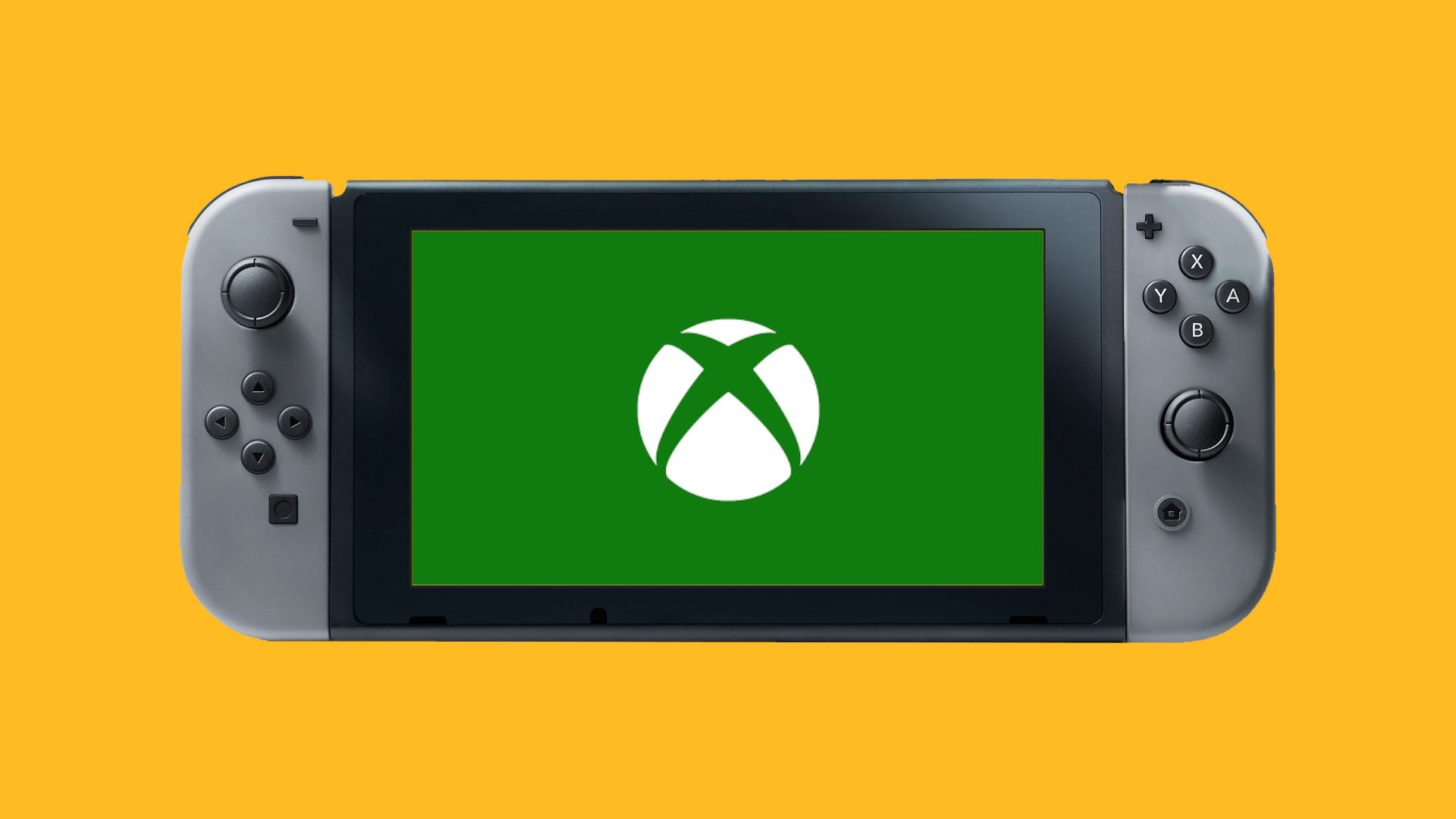
For consumers, the shift toward multi-platform strategies means more flexibility. The ability to access games across different devices reduces the risk associated with investing in a single piece of hardware. However, for manufacturers, the challenge remains in balancing this openness with the need to provide a unique reason for consumers to purchase their specific hardware.
As technological advancements continue to evolve, the shared principles of these companies will likely adapt. The integration of new innovations in player safety suggests that the industry is moving toward a standardized level of protection that transcends brand loyalty.
Key Takeaways: Industry Dynamics in 2026
- Strategic Divergence: Microsoft is prioritizing a multi-platform approach to expand its software reach.
- Hardware Legacy: Sony and Nintendo continue to navigate the balance between exclusivity and market growth.
- Unified Safety: The “Big Three” have formally collaborated to standardize player safety and parental controls as of January 2026.
- Shift in Competition: The console war has evolved from simple hardware comparisons to a battle of ecosystem services and community management.
The industry continues to monitor the impact of these safety initiatives and the long-term viability of multi-platform distribution. Further updates regarding the implementation of these shared safety principles are expected as the companies refine their multidisciplinary approach to community oversight.
Do you think the era of the “Console War” is ending in favor of a more open ecosystem? Share your thoughts in the comments below.
Keep reading