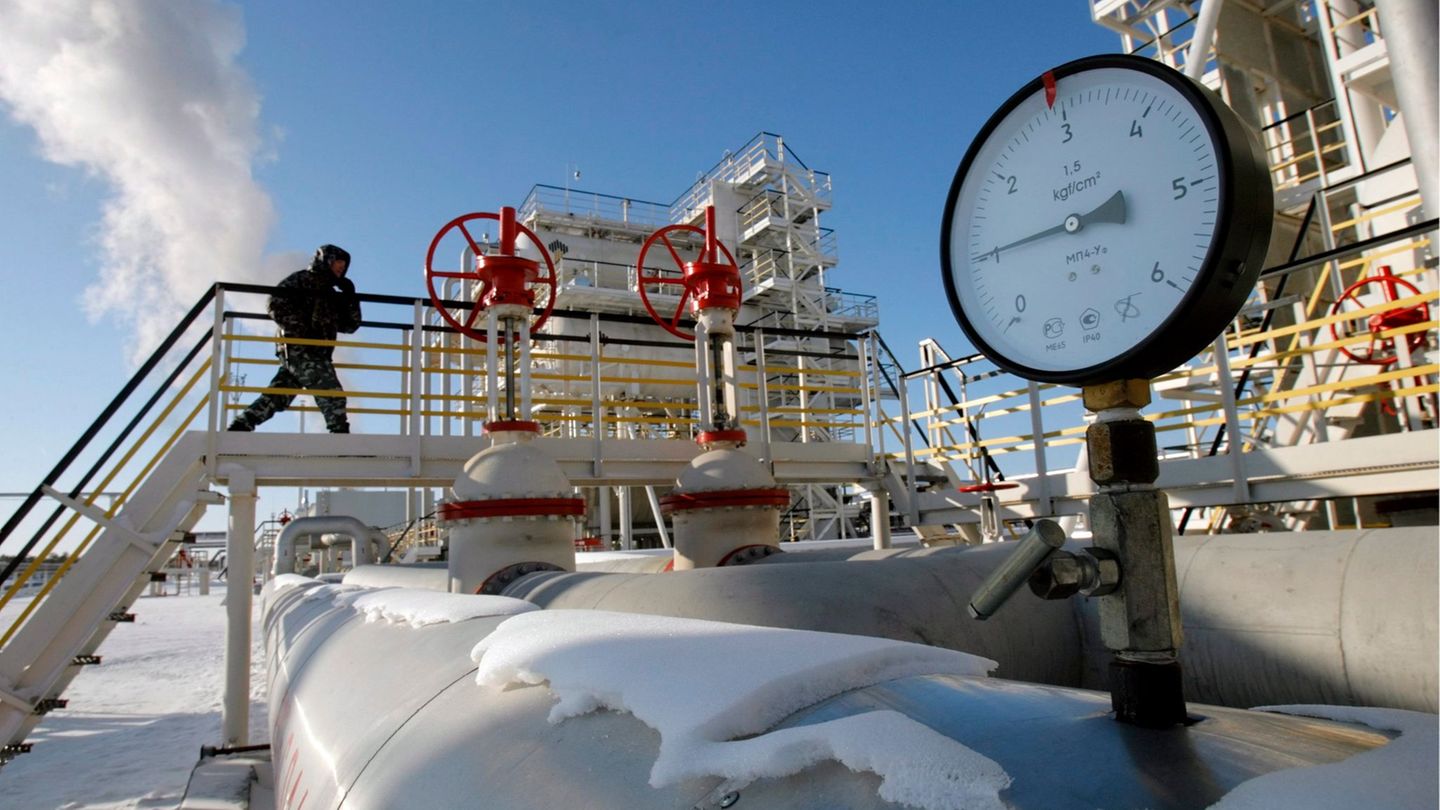
Reports indicating a shift in public sentiment regarding energy security have emerged from eastern Germany, suggesting that a majority of residents in Thuringia would support the resumption of oil and gas imports from Russia. This reported preference highlights a complex and often contradictory relationship between the region and the Russian Federation, surfacing at a time of heightened geopolitical tension and security concerns within the state.
The sentiment regarding Russian energy imports in Thuringia reflects a broader debate over economic stability versus political sanctions. While the German federal government has worked to decouple its energy infrastructure from Moscow following the invasion of Ukraine, local perspectives in Thuringia appear to be diverging, with some prioritizing the availability and cost of energy over the strategic goals of the European Union.
However, this perceived affinity for Russian energy exists alongside a volatile security environment. Recent events in the capital city of Erfurt demonstrate that the geopolitical struggle is not merely a matter of economic preference but has manifested in direct attacks on military infrastructure, often amplified by digital propaganda campaigns.
Energy Sentiment and Economic Pressures in Thuringia
According to recent reports, a survey suggests that the majority of people in Thuringia favor the import of oil and gas from Russia. While the specific percentages and the methodology of the survey have not been officially verified by government agencies, the finding points to a lingering dependence—both psychological and economic—on Russian resources.
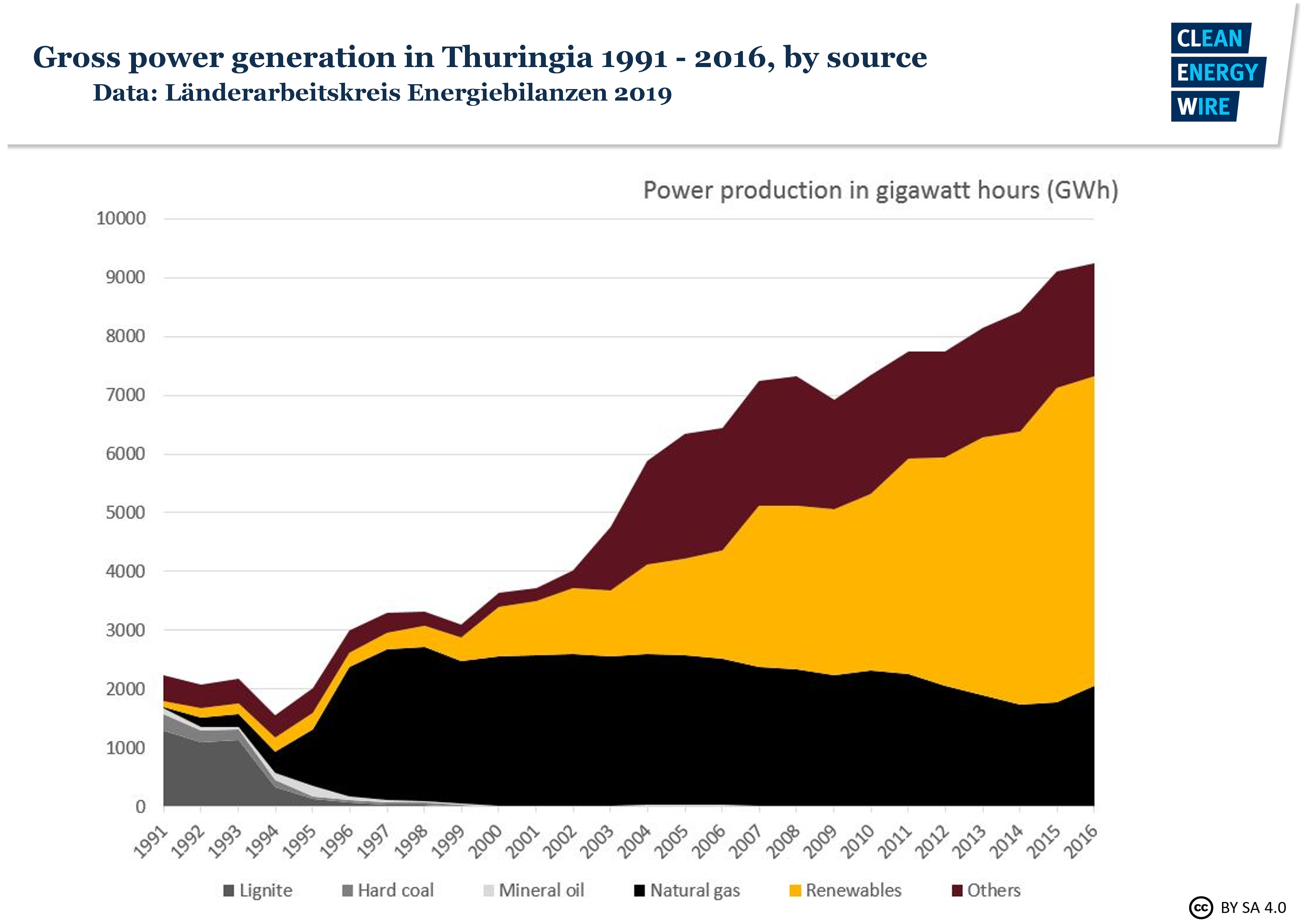
This trend is likely driven by the ongoing challenges of the energy transition and the increased costs of alternative energy sources. For many in the region, the practicalities of heating and industrial production outweigh the diplomatic imperatives of the current sanctions regime. This creates a challenging landscape for policymakers who must balance national security interests with the immediate economic needs of the local population.
Security Breach: Arson Attacks on Military Infrastructure
The tension surrounding Russia’s role in the region took a violent turn in Erfurt, where unidentified perpetrators targeted the German military. In the night leading into a recent Sunday, six Bundeswehr trucks were set on fire according to reports from Welt. The attack resulted in four trucks being completely burned out, while two others sustained light damage.
The incident gained international attention when a Russian-language Telegram channel titled “Besessen vom Krieg” (Obsessed with War) published a video claiming responsibility. The video featured images of the vehicles before and after the fire, with a caption claiming that the equipment was destined for repair for the Ukrainian armed forces. The channel asserted that “our people” decided the equipment was unnecessary for Ukraine and chose to burn it instead as reported by ZDF.
The Landeskriminalamt (LKA) Thüringen is currently leading the investigation into the arson attack and is working to verify the authenticity of the video and the claims made by the pro-Russian propaganda channel. This event underscores the risk of hybrid threats where physical sabotage is paired with information warfare to destabilize local security and influence public opinion.
Nuancing the Narrative: The Faces of Russian Resistance
Despite the reports of pro-Russian energy sentiment and the actions of propaganda channels, Thuringia also serves as a space for highlighting the internal struggle within Russia. In Erfurt, an exhibition titled “Faces of the Russian Resistance” (Gesichter des russischen Widerstandes) has been presented to the public, focusing on the plight of those imprisoned for opposing the Kremlin.
Conceptualized by Russian activist Elena Filina, the exhibition illustrates how a single critical post on social media can lead to years of imprisonment in Russia as detailed by the Thüringer Allgemeine. By bringing these stories to Erfurt, the exhibition seeks to decouple the Russian people and their dissidents from the actions of the Russian state, providing a necessary counter-narrative to the propaganda seen on channels like Telegram.
Key Contextual Dimensions
| Dimension | Reported/Verified Event | Primary Impact |
|---|---|---|
| Energy | Survey suggesting majority favor Russian oil/gas | Economic preference vs. Political sanctions |
| Security | Arson attack on 6 Bundeswehr trucks in Erfurt | Physical sabotage and hybrid warfare |
| Human Rights | “Faces of Russian Resistance” exhibition | Awareness of political persecution in Russia |
The intersection of these three elements—economic desire for Russian energy, the threat of pro-Russian sabotage, and the promotion of Russian democratic resistance—paints a picture of a region caught in the crossfire of a global geopolitical realignment. For the people of Thuringia, the consequences are felt in everything from their monthly heating bills to the security of their military installations.
The next confirmed checkpoint in this unfolding situation is the ongoing investigation by the LKA Thüringen into the arson attacks, as authorities work to determine if the perpetrators were acting independently or as part of a coordinated foreign intelligence operation.
Do you believe economic stability should outweigh geopolitical sanctions in energy policy? Share your thoughts in the comments below or share this article to join the conversation.
Keep reading