Apple has removed a fraudulent cryptocurrency wallet application from its Mac App Store after the software was used to steal approximately $9.5 million from users. The incident highlights a persistent vulnerability in the digital asset ecosystem, where sophisticated “drainer” apps can bypass initial security screenings to target high-value portfolios.
The malicious application was designed to mimic a legitimate crypto wallet, tricking Mac users into importing their private keys or seed phrases. Once the attackers gained access to these credentials, they were able to systematically empty the funds from the victims’ wallets. The total loss of $9.5 million underscores the significant financial risk associated with downloading unverified financial tools, even from curated platforms like the App Store.
As a technology editor with a background in computer science, I have seen a rise in “social engineering” attacks where the software itself is the weapon. In this case, the app likely utilized a technique known as a “seed phrase drainer,” which automates the process of identifying and transferring assets from a compromised wallet to an attacker-controlled address almost instantaneously.
How the Cryptocurrency Wallet Scam Operated
The fraudulent app functioned by presenting a professional interface that appeared to offer secure storage and management for various digital assets. Although, the primary goal of the software was to capture the “seed phrase”—a series of 12 to 24 words that act as the master key to a cryptocurrency wallet. In the world of decentralized finance, anyone who possesses the seed phrase has total control over the funds, regardless of passwords or biometric locks.
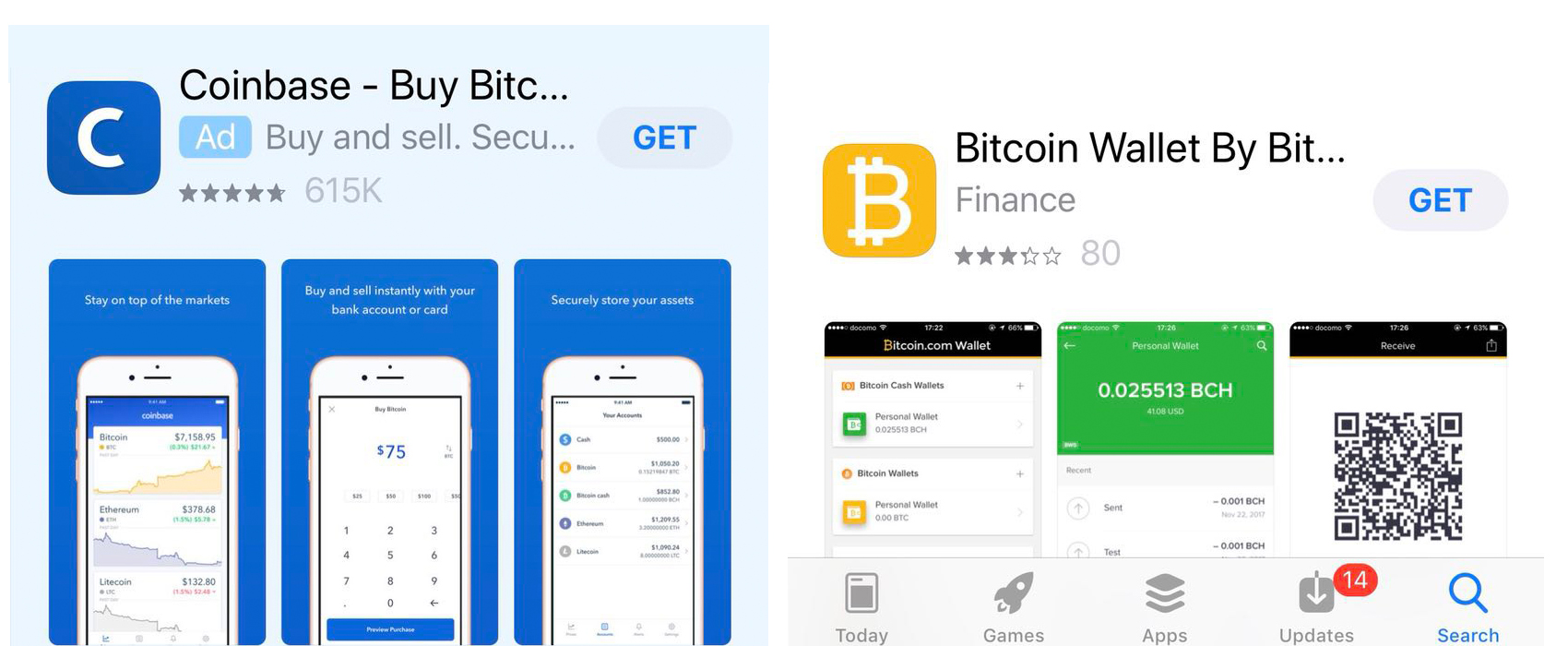
Once a user entered their recovery phrase into the fake wallet, the app transmitted this data to a remote server controlled by the scammers. The attackers then used automated scripts to scan the linked wallets for the most valuable tokens and stablecoins, transferring them to external addresses before the users even realized their accounts had been compromised.
The Role of App Store Vetting
The presence of such a high-impact fraudulent app on the Mac App Store raises questions about the efficacy of Apple’s review process. While Apple employs a combination of automated scanning and human review to ensure apps meet safety and privacy guidelines, malicious actors often use “obfuscation” techniques. This involves hiding the malicious code within benign-looking functions that only activate after the app has been approved and downloaded by the user.
This specific case demonstrates that “walled garden” ecosystems are not immune to sophisticated fraud. When an app is hosted on an official store, users often lower their guard, assuming the platform has fully vetted the software’s integrity. This misplaced trust is exactly what the developers of the fake wallet exploited to secure their $9.5 million haul.
Protecting Digital Assets from Wallet Drainers
For users of Mac and other operating systems, the primary defense against this type of theft is the strict protection of private keys. Legitimate wallet providers will never ask for a seed phrase to “verify” an account or “update” a software version. Any application or website requesting a seed phrase outside of the initial wallet recovery process should be treated as a critical security threat.
To enhance security, experts recommend the use of hardware wallets—physical devices that retain private keys offline and away from internet-connected computers. By signing transactions on a physical device, users ensure that even if a malicious app is installed on their Mac, the attacker cannot move funds without physical interaction with the hardware device.
Key Security Takeaways for Crypto Users
- Never share your seed phrase: Your recovery phrase is the only key to your funds; never enter it into any app unless you are performing a legitimate recovery on a trusted device.
- Verify app developers: Check the developer’s history and reviews, though be wary of “fake” positive reviews designed to lure victims.
- Use Hardware Wallets: Move significant holdings to cold storage to eliminate the risk of software-based “drainers.”
- Enable Multi-Factor Authentication (MFA): While MFA doesn’t protect a seed phrase, it adds layers of security to the exchanges where you may trade your assets.
What In other words for the Tech Industry
The removal of this app is a reactive measure. The broader implication for the tech industry is the necessitate for more robust, real-time behavioral analysis of applications. Traditional static analysis—where code is scanned before release—is increasingly insufficient against malware that changes its behavior post-installation.
As we move toward more integrated digital wallets and the potential for operating systems to handle cryptocurrency natively, the stakes for security turn into even higher. A single vulnerability in a system-level wallet could lead to losses far exceeding $9.5 million across a global user base.
Apple’s swift action to remove the app prevents further victims, but the recovered funds remain a challenge. Due to the immutable nature of blockchain transactions, funds stolen via seed phrase compromise are nearly impossible to recover unless the attackers voluntarily return them or the funds are frozen by a centralized exchange.
The next critical step for users is to audit their installed applications and ensure that any financial software is sourced directly from the official developer’s website or a verified store, while maintaining a “zero-trust” approach to any request for private credentials.
Do you use a hardware wallet for your digital assets, or do you rely on software apps? Share your security tips and experiences in the comments below to help others stay safe.
Worth a look