
The aviation sector in the United Kingdom is facing significant turbulence as the geopolitical fallout from the ongoing conflict involving Iran creates a ripple effect across flight schedules, and pricing. Travelers are witnessing a sharp increase in ticket costs and a marked decrease in flight frequencies to the Middle East, driven by a volatile security environment and the critical closure of key maritime and aerial corridors.
The disruption follows a period of intense escalation in the region, centered around a US-Israeli attack on Iran on February 28. This event has not only shifted the military landscape but has fundamentally altered the risk calculus for commercial airlines operating between London and Middle Eastern hubs, leading to the current instability in the aviation market.
As the UK government navigates its role in the conflict, the intersection of national security and economic stability has turn into a focal point for Prime Minister Keir Starmer’s administration. The combined pressure of airspace restrictions and the economic shock of regional instability has left the British travel industry struggling to maintain stability amid an unprecedented crisis.
Strategic Shifts and Military Logistics
The volatility in the aviation sector is mirrored by the UK’s increasing military entanglement in the region. After an initial period of hesitation and refusal to engage in offensive operations, the United Kingdom has officially permitted the United States to utilize British military bases for what are described as “defensive operations” against Iran. This move is intended to prevent Iran from launching missiles into the region, as British officials have stated that Iranian attacks now pose a direct risk to British lives .
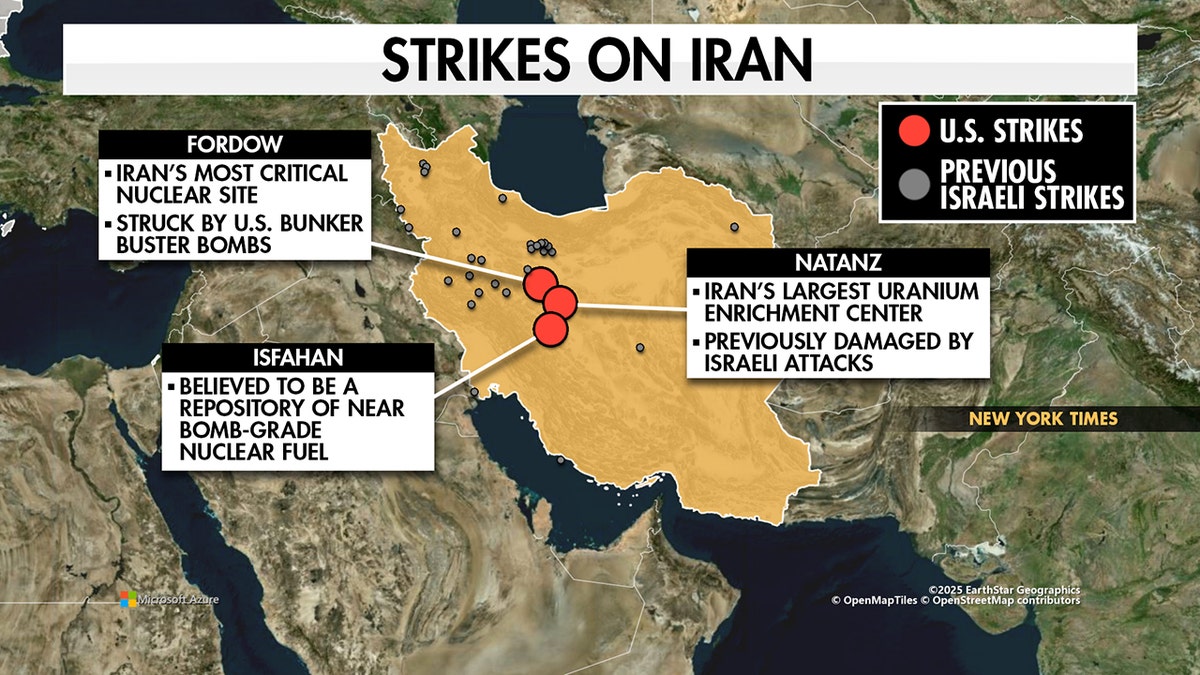
The logistical scale of this involvement is evident at the base level. Reports confirm the deployment of high-capacity military aircraft to UK soil, including the landing of a US B-1 strategic bomber and a C-5 Galaxy military transport aircraft at the Fairford base in southwest England. The base at Diego Garcia in the Indian Ocean is being utilized to execute specific operations aimed at neutralizing Iranian missile threats .
These military movements have not occurred without domestic friction. The deployment of US strategic assets has sparked anti-war protests around the Fairford base and led to demonstrations in London, where between five thousand and six thousand people have marched to protest the UK’s involvement in the conflict .
The Economic Toll: Hormuz and Ticket Prices
A primary driver behind the soaring costs of air travel and the decrease in flight availability is the status of the Strait of Hormuz. Since the outbreak of the war in the Middle East, Tehran has kept the Strait of Hormuz almost completely closed . While primarily a maritime chokepoint, the closure of the Strait signals a level of regional instability that forces airlines to reroute flights, increase insurance premiums, and adjust fuel surcharges.
The closure of this critical corridor has prompted diplomatic efforts led by France and the United Kingdom to discuss the imposition of further sanctions on Iran to force a reopening of the waterway . For the aviation sector, these delays and the heightened risk profile of the region translate directly into higher ticket prices for consumers and a reduction in the number of scheduled flights to Middle Eastern destinations.
Key Factors Driving Aviation Costs
- Airspace Restrictions: Increased risk of missile activity necessitates longer, more expensive flight paths to avoid conflict zones.
- Insurance Premiums: War-risk insurance for aircraft operating in or near the Middle East has surged.
- Fuel Volatility: The instability surrounding the Strait of Hormuz impacts global energy markets, directly raising the cost of aviation fuel.
- Reduced Capacity: Fewer flights to the region have created a supply-demand imbalance, pushing prices upward.
A Geopolitical Pivot Toward Europe
The crises resulting from the Iran war are doing more than disrupting travel; they are reshaping the UK’s foreign policy and its relationship with the European Union. Observers suggest that the geopolitical and economic pressures of the current conflict are acting as a “driving force” that may push London back into a closer strategic embrace with the EU.
According to security analyses from the European Institute for Studies, the threat to global navigation corridors and the resulting economic volatility have led Prime Minister Keir Starmer’s government to explicitly discuss the need for “deeper defense coordination” with the EU . This shift suggests that the security benefits of European unity now outweigh the political calculations of Brexit, especially as the UK finds itself unable to secure its interests alone while Washington is preoccupied with internal domestic issues .
This strategic realignment is viewed as a necessity for survival in a fragmented global order. With the UK economy already feeling the effects of Brexit—with some estimates suggesting the economy is roughly 4% smaller than it would have been had the UK remained a member—the added strain of the Iran conflict is accelerating the move toward a continental protection umbrella .
| Area of Impact | Current Status | Primary Driver |
|---|---|---|
| Aviation | Rising prices, fewer flights | Regional instability & airspace risk |
| Military | US bases active in UK | Defensive operations against Iran |
| Trade/Logistics | Strait of Hormuz closed | Iranian strategic blockade |
| Diplomacy | Pivot toward EU defense | Inability to secure interests independently |
What So for Travelers and Businesses
For the average traveler, the “Iran war” effect means that flights to the Middle East are no longer just more expensive, but less reliable. Business travelers and logistics companies are facing a recent reality where itinerary flexibility is mandatory and costs are unpredictable. The combination of military activity at bases like Fairford and the diplomatic deadlock over the Strait of Hormuz suggests that these disruptions will persist as long as the conflict remains unresolved.
Industry experts advise those booking travel to the region to monitor official government travel advisories and be prepared for sudden changes in flight paths or cancellations. As the UK balances its commitment to the US with its need for European stability, the aviation sector remains the most visible casualty of this geopolitical tightrope walk.
The next critical checkpoint for the region will be the outcome of the ongoing discussions between France and the UK regarding the imposition of sanctions to reopen the Strait of Hormuz, which could potentially stabilize shipping and aviation costs if successful.
We want to hear from you. How has the current regional instability affected your travel plans or business operations? Share your experiences in the comments below or share this article to keep others informed.
Related reading
- Russian Missile Enters Polish Airspace Amid Massive Attacks on Ukraine
- Alma Llanera: Authentic Venezuelan Chicha in Columbus, Ohio
- Japan Cuts GDP Growth Forecast as South Korea, Taiwan Surge on AI Semiconductor Boom (archynewsy.com)
- Global Markets Slump as Oil Prices Surge and AI Chip Stocks Sell Off (time.news)