
As we observe World Liver Day 2026, the global medical community is sounding an urgent alarm regarding the “silent” nature of liver disease. For millions of people worldwide, liver dysfunction progresses without obvious symptoms until it reaches a critical stage, making early intervention not just a medical recommendation, but a necessity for survival.
The focus this year is particularly sharp on the escalating health crisis in India, where liver-related mortality has reached staggering levels. The gap between the need for life-saving interventions and the actual availability of care has created a public health emergency that serves as a wake-up call for healthcare systems globally.
Liver disease is frequently referred to as a “silent killer” because it often remains undiagnosed until it has reached an advanced stage. Here’s especially prevalent in low-resource areas where access to diagnostic infrastructure is limited and public awareness of liver health is low.
India’s Liver Health Crisis: A Global Warning
India currently faces one of the most significant challenges with liver disease in the world. In 2021, the country recorded approximately 277,130 deaths attributed to liver diseases, the highest number globally according to reports on India’s liver health crisis.
The crisis is compounded by a severe shortage in organ transplant availability. While It’s estimated that India requires approximately 50,000 liver transplants annually, the actual number of procedures performed in 2024 was only about 4,500. Of those few transplants, only around 1,000 were sourced from deceased donors, leaving a vast majority of patients without access to this life-saving procedure as detailed by The Hans India.
This disparity highlights a critical failure in both detection, and infrastructure. Many patients in rural areas suffer from late detection due to a lack of awareness and inadequate access to transplant facilities, meaning many deaths could have been prevented with timely diagnosis and intervention.
The Danger of the “Silent Killer”
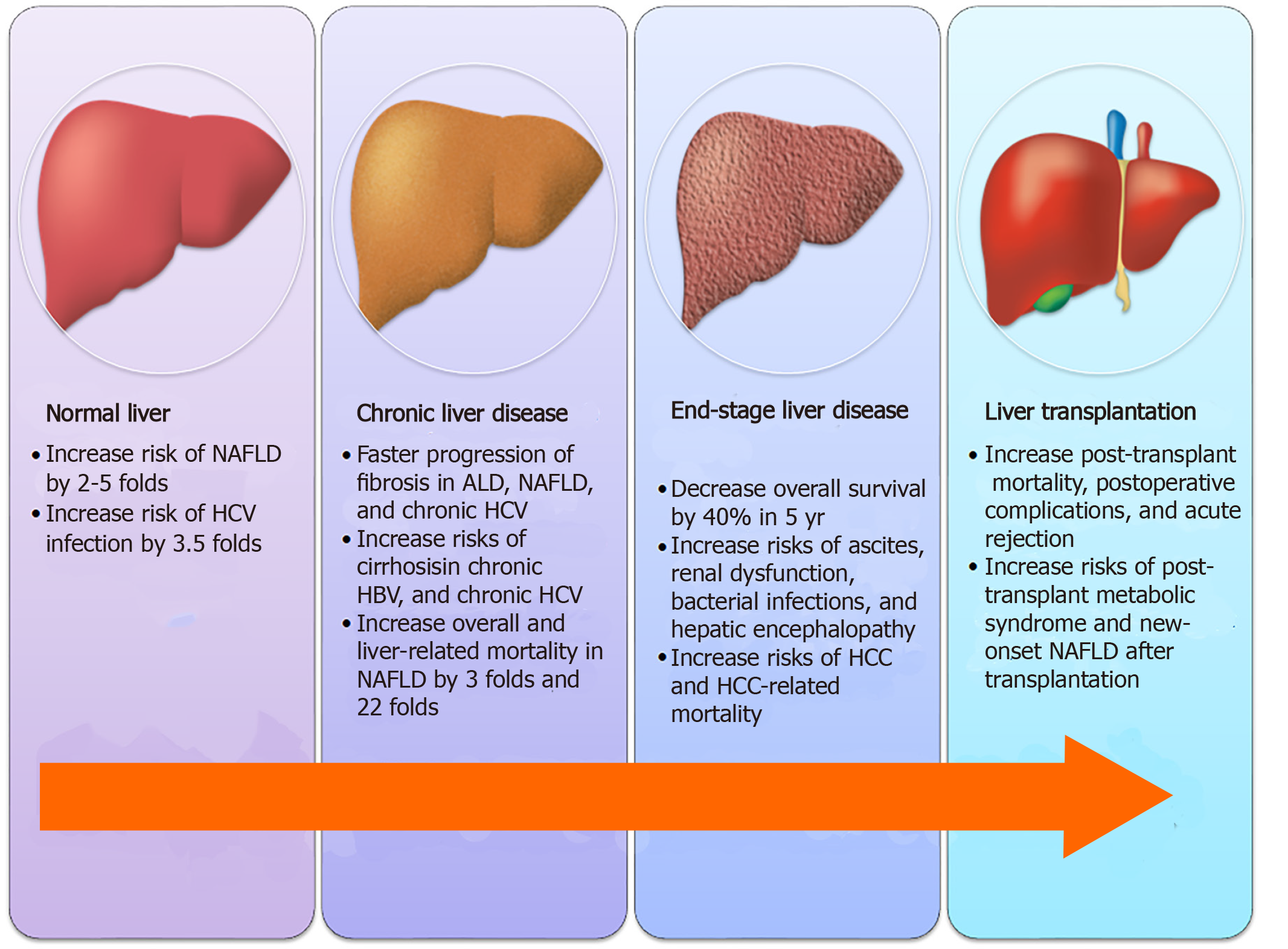
The primary danger of liver disease lies in its stealth. Because the liver is a resilient organ capable of functioning even when significantly damaged, patients may not experience symptoms until cirrhosis or liver failure is well advanced. This makes public education and proactive screening essential.

Health professionals emphasize that awareness must extend beyond the treatment of advanced disease to the prevention of its causes. This includes focusing on the prevention of alcohol-related liver disease and viral hepatitis, both of which contribute significantly to the global burden of liver failure.
Early diagnosis is the only effective way to pivot from palliative care to curative or preventative treatment. When liver disease is caught early, lifestyle interventions and medical treatments can often halt or even reverse damage, preventing the need for a transplant entirely.
Distinguishing World Liver Day from World Hepatitis Day
In the effort to raise awareness, it is important for the public to distinguish between two key health observances that focus on the liver but have different scopes and dates.
World Liver Day is observed on April 19. Its primary goal is to raise broad awareness about overall liver health, the urgent need for early diagnosis, prevention of various liver diseases, and the promotion of organ donation as noted in World Liver Day guidelines.

World Hepatitis Day, conversely, takes place every July 28. Established by the World Health Assembly in 2010, this day specifically targets the prevention and treatment of viral hepatitis, with a particular focus on Hepatitis B and C according to Wikipedia’s record of the event. While viral hepatitis is a major cause of liver disease, World Hepatitis Day focuses specifically on the infectious agents and vaccines associated with these viruses.
Recent data highlights that progress in eliminating viral hepatitis varies significantly by region. A February 2024 report in The Lancet Gastroenterology & Hepatology indicated that since 2018, 14 of the 20 countries with the highest hepatitis burdens have made policy progress, with notable advancements seen in India, Japan, Indonesia, Bangladesh, and Russia via reports on viral hepatitis progress.
Key Takeaways for Liver Health
- Early Detection: Because liver disease is often asymptomatic, regular screenings are vital, especially for high-risk groups.
- Preventative Action: Reducing alcohol consumption and managing viral hepatitis are primary steps in preventing liver failure.
- Organ Donation: There is a critical global gap in liver transplant availability, particularly in India, making organ donation a life-saving priority.
- Awareness: Understanding the difference between general liver health (World Liver Day, April 19) and viral hepatitis (World Hepatitis Day, July 28) helps in seeking the correct preventative care.
The next major global milestone for liver health will be World Hepatitis Day on July 28, which will continue the push toward eliminating viral hepatitis as a public health threat.
Do you or your loved ones have a plan for regular health screenings? Share your thoughts or experiences with liver health awareness in the comments below.