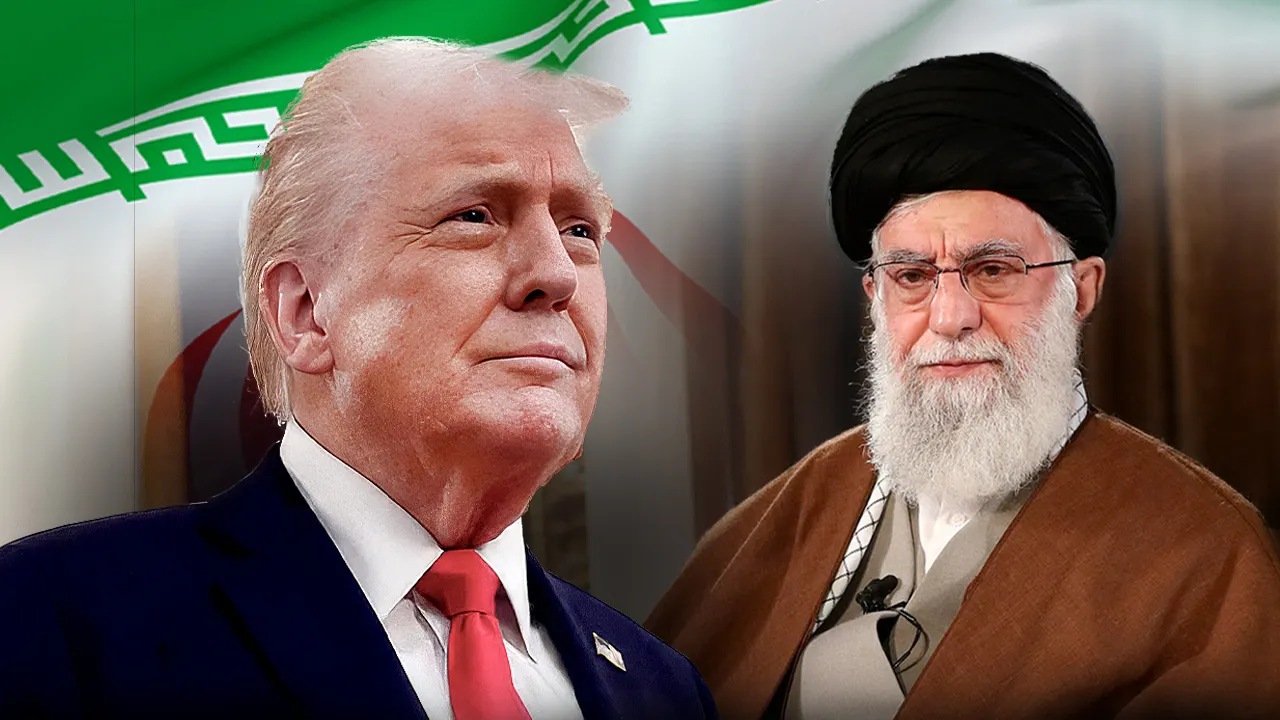
As the April 22 deadline approaches for the current U.S.-Iran ceasefire agreement, mounting diplomatic activity signals a critical juncture in negotiations aimed at preventing Iran from acquiring nuclear weapons. According to multiple reports from U.S. Media outlets cited by Chinese state news agency Xinhua, President Donald Trump has indicated he does not intend to extend the temporary truce beyond its expiration date, even as both sides prepare for renewed talks in Islamabad, Pakistan.
The two-week ceasefire, which began on April 8, is set to expire at 8 p.m. Eastern Time on April 22, 2026. A White House official told The Wall Street Journal that Trump has no plans to prolong the agreement if no substantive progress is made by the deadline. This position was reiterated by the president himself in a April 20 interview with Bloomberg, where he stated that if no deal is reached during the ceasefire period, “it’s almost certain” that he would not extend the truce and would likely resume military action against Iran.
Despite the firm stance, diplomatic channels remain active. Trump confirmed that Vice President JD Vance departed for Islamabad on the evening of April 20 to lead the U.S. Delegation in what is expected to be a second round of face-to-face talks. The U.S. Team includes special envoy Steve Witkoff and Trump’s son-in-law, Jared Kushner. The president said he would be open to meeting Iranian leaders directly if the talks yield a breakthrough, though he emphasized that the U.S. Would not rush into a poor agreement.
Iran’s position remains uncertain. Whereas Tehran has not publicly confirmed whether it will send representatives to the talks, Iranian officials have informed regional mediators that a delegation will travel to Islamabad on April 21 to participate in negotiations. However, Iran’s Foreign Ministry stated on April 20 that it would assess various factors before deciding on its next steps, and the country’s parliamentary speaker warned that Trump was attempting to turn the negotiating table into a “surrender table” through blockades and alleged violations of the ceasefire.
The core objective of the U.S. In these negotiations remains preventing Iran from developing nuclear weapons capability. Trump has consistently framed the talks around this goal, asserting that Iran “will come to the table” since the alternative would be facing unprecedented pressure. Analysts note that the outcome of these discussions could significantly influence regional stability, particularly given concerns among Gulf states about the potential consequences of either a breakdown in talks or an agreement perceived as favoring Iranian influence.
Diplomatic Maneuvering Amid Uncertainty
As the deadline looms, both sides appear to be positioning themselves for the next phase of engagement. The U.S. Has maintained that it will not lift its maritime blockade on Iran until a deal is reached, though it insists it has ample time to avoid accepting unfavorable terms. Meanwhile, Iran’s conditional approach — linking participation to the fulfillment of certain prerequisites — suggests a strategy of leveraging the moment to extract concessions while avoiding direct confrontation.
Reports indicate that Iranian Supreme Leader Ali Khamenei has authorized negotiations with the United States, adding weight to the possibility of engagement despite public hesitations. Still, hardline factions within Iran’s establishment, including figures associated with the Islamic Revolutionary Guard Corps, have reportedly been preparing for military contingencies, signaling internal divisions over the wisdom of engaging with the U.S. Under current conditions.
The location of the talks — Islamabad — underscores Pakistan’s ongoing role as a regional facilitator in U.S.-Iran communications. The city has hosted previous backchannel discussions, and its neutrality is seen as valuable in reducing tensions that might otherwise escalate in more politically charged environments.
Stakes and Regional Implications
The potential collapse of the ceasefire without a successor agreement raises significant concerns. A resumption of hostilities could trigger broader instability in the Middle East, particularly through effects on global oil markets and heightened tensions in strategic waterways like the Strait of Hormuz. Conversely, a successful diplomatic outcome — even a limited one — could delay escalation and open space for more comprehensive negotiations on Iran’s nuclear program, ballistic missiles, and regional influence.

For the international community, the coming days represent a test of whether diplomacy can prevail amid mistrust and competing strategic interests. With the ceasefire set to expire in under 48 hours from the time of these developments, the world will be watching closely to see whether the talks in Islamabad yield a path forward or mark the end of a brief window for de-escalation.
As of this writing, no official announcement has been made regarding the outcome of the April 21 talks or any decisions about extending the ceasefire. Updates are expected from official U.S. And Iranian government channels, as well as through multilateral mediators involved in the process.
What are your thoughts on the prospects for a U.S.-Iran agreement? Share your perspective in the comments below, and help spread informed discussion by sharing this article with others interested in global diplomacy and security.