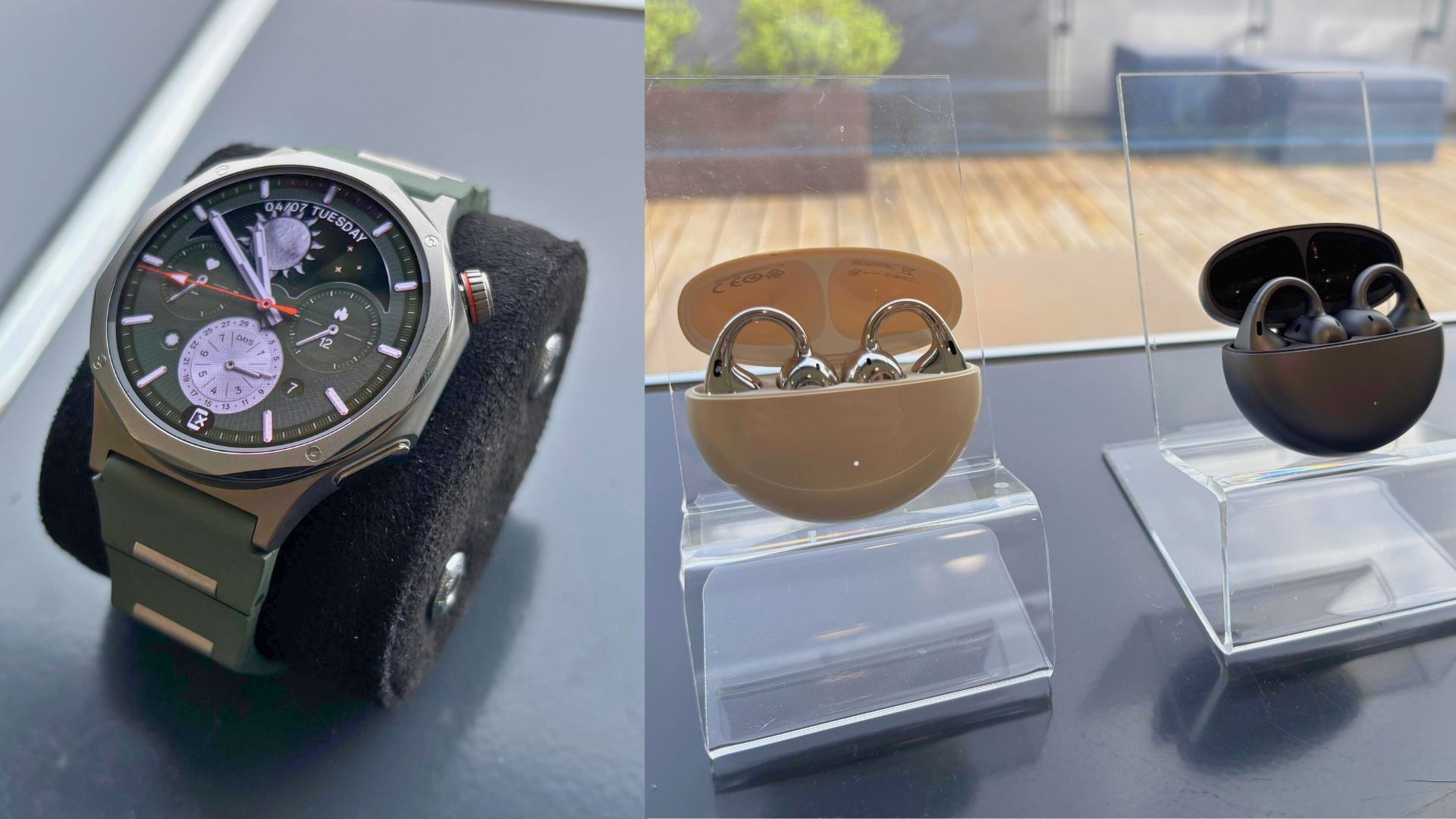
Oppo has unveiled a new lineup of wearable devices and accessories, marking a significant expansion of its ecosystem in the premium consumer electronics space. The announcement includes the Oppo Watch X3 smartwatch, the Oppo Enco Clip 2 wireless earbuds, and the Oppo Pad 5 tablet, all designed to operate seamlessly together as an integrated system. This move underscores Oppo’s strategy to compete more aggressively in the global wearables and mobile computing markets, particularly against established players like Apple, Samsung, and Huawei.
The Oppo Watch X3 stands out as the centerpiece of the launch, featuring a titanium build and running on Google’s Wear OS platform. According to multiple verified reports, the device offers up to 16 days of battery life on a single charge—a notable achievement for a smartwatch with a full-featured operating system. This extended endurance is attributed to the use of silicon-carbon battery technology, which enhances energy density without increasing physical size. The watch also includes advanced health monitoring capabilities, such as continuous heart rate tracking, blood oxygen saturation (SpO2) measurement, and sleep analysis, positioning it as a strong contender in the health-focused wearable segment.
Complementing the Watch X3, the Oppo Enco Clip 2 introduces an open-ear design that avoids inserting speakers into the ear canal, instead resting gently on the outer ear. This approach aims to provide situational awareness while delivering audio, making it suitable for outdoor activities and extended wear. The earbuds support Bluetooth 5.3, offer low-latency performance for gaming and video, and include AI-powered noise cancellation for clearer calls. Oppo claims the Enco Clip 2 delivers up to 8 hours of playback time on a single charge, with the charging case extending total usage to approximately 24 hours.
The Oppo Pad 5 tablet completes the trio, targeting users seeking a high-performance device for productivity and entertainment. While specific technical details about the Pad 5 were not fully disclosed in the initial announcement, reports indicate it features a large display with high refresh rate, support for stylus input, and optimization for multitasking. The tablet is expected to run on ColorOS based on Android, aligning with Oppo’s broader software ecosystem. Together, these three products form a cohesive suite designed to enhance user experience across fitness, communication, and mobile computing scenarios.
Oppo has positioned this launch as part of its broader vision to build a seamless, interconnected ecosystem where devices intelligently interact to simplify daily routines. The company emphasizes interoperability, suggesting that users can transition smoothly between the Watch X3, Enco Clip 2, and Pad 5—for example, receiving notifications on the watch, taking calls via the earbuds, and continuing work or media consumption on the tablet. This integrated approach mirrors strategies employed by other major tech firms, though Oppo differentiates itself through design aesthetics and battery efficiency claims.
Availability details indicate that the Oppo Watch X3 and Enco Clip 2 are already available for purchase in select markets, with global rollout expected in the coming weeks. The Oppo Pad 5 is slated for release shortly after, though exact regional availability and pricing have not yet been confirmed. Oppo has not announced any official launch events or press briefings beyond the initial announcement, and no further updates have been issued as of the date of this report.
For consumers interested in purchasing these devices, Oppo recommends checking its official website or authorized retailers for the most accurate and up-to-date information on availability, pricing, and warranty terms. The company also provides customer support through its online portal and service centers in regions where the products are sold.
As Oppo continues to expand its presence in the competitive wearables and tablet markets, the success of this new lineup will depend on real-world performance, user adoption, and how well the devices integrate into existing digital ecosystems. Industry observers will be watching closely to see whether the promised battery life, design innovations, and cross-device functionality translate into sustained market traction.
Worth a look