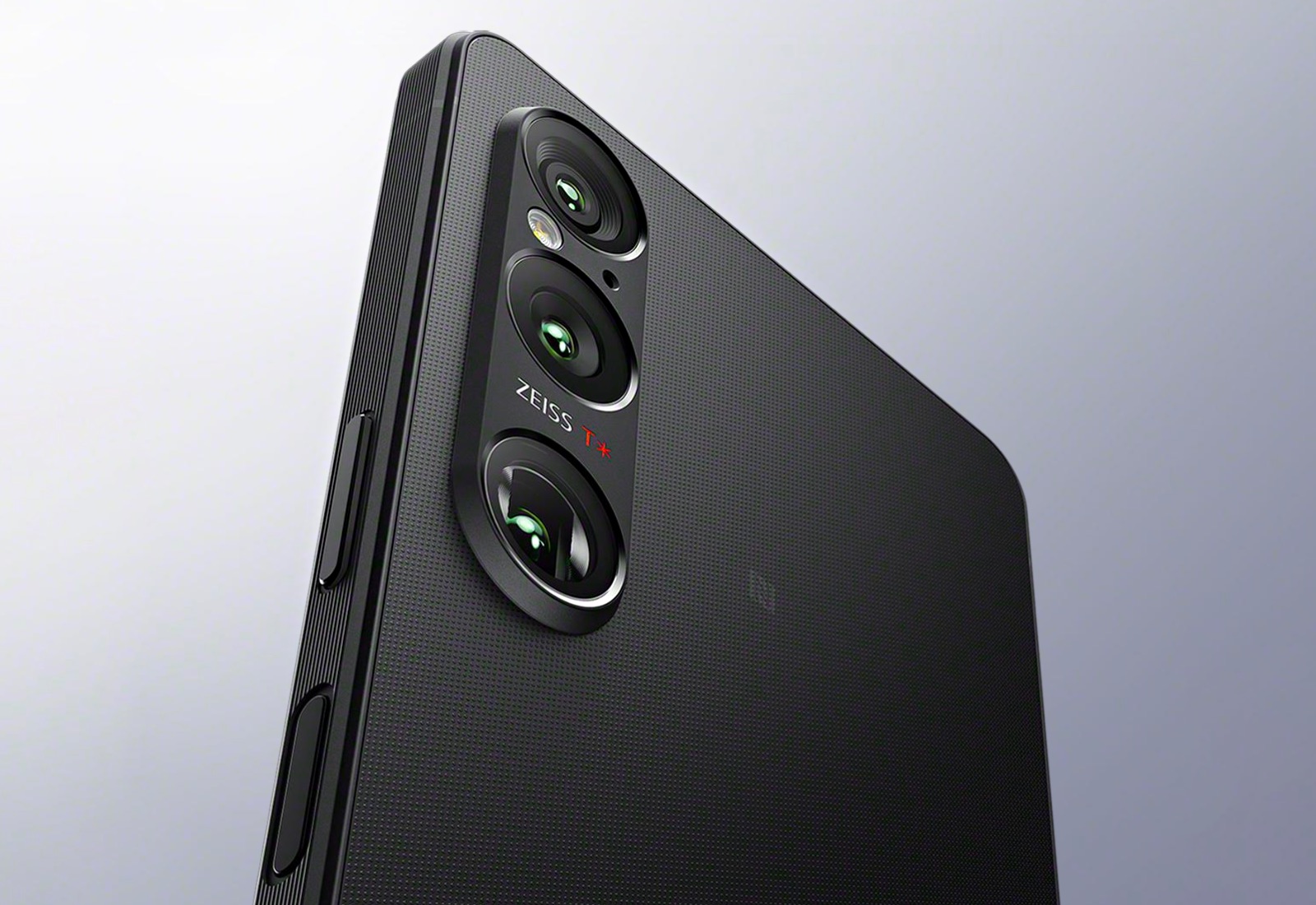
Sony is preparing to expand its mobile lineup with the upcoming release of its next-generation Android flagship, the Sony Xperia 1 VIII. While the company has yet to release a full specification sheet, early indicators suggest that Sony is doubling down on a specific hardware feature that most of its competitors abandoned years ago.
In an era of wireless dominance, the focal point of the current discussion surrounding the Xperia 1 VIII is the potential retention of the 3.5mm headphone jack. For many power users and audiophiles, this “legacy” port remains a critical requirement for high-fidelity audio, and it appears Sony may continue to cater to this niche market.
As a technology editor with a background in software engineering, I have watched the industry shift toward a dongle-dependent ecosystem. Yet, Sony’s persistence in maintaining wired audio options reflects a strategic decision to differentiate its flagship devices from the mainstream offerings of other major manufacturers.
FCC Certification Hints at Audio Hardware
The speculation regarding the device’s audio capabilities is not based on mere guesswork. Recent reports indicate that the Sony Xperia 1 VIII has appeared in FCC certification filings, which often provide a glimpse into a device’s physical hardware before the official unveiling. According to GSMArena, these filings hint that the 3.5mm audio jack will be retained in the new model.
The Federal Communications Commission (FCC) requires all wireless devices sold in the U.S. To undergo certification to ensure they meet radio frequency standards. Because these filings often include internal and external photos or hardware descriptions, they are frequently used by the tech community to identify key physical attributes of upcoming smartphones.
The Strategic Value of the 3.5mm Jack
While some industry critics view the headphone jack as an “ancient feature,” as noted by PhoneArena, the feature serves a practical purpose for a specific segment of the global audience. High-end wired headphones provide a level of audio fidelity and zero-latency performance that Bluetooth technology, despite significant improvements, cannot yet fully replicate.
By integrating this port into the Sony Xperia 1 VIII, Sony positions itself as the primary choice for professional creators and audio enthusiasts. This alignment with the “prosumer” market allows Sony to maintain a loyal user base that values hardware utility over the minimalist design trends adopted by other Android flagship manufacturers.
Further reports from Android Authority suggest that bringing the headphone jack back—or maintaining it—could be one of the most significant selling points for the device in a crowded consumer electronics market.
Key Takeaways for Potential Buyers
- Hardware Focus: The Sony Xperia 1 VIII is expected to prioritize high-fidelity audio options.
- Certification Evidence: FCC filings provide the primary evidence for the retention of the 3.5mm audio jack.
- Market Positioning: Sony continues to target audiophiles and professional users who prefer wired connections.
What happens next depends on Sony’s official announcement. While the FCC certification is a strong indicator, the final retail version of the device will confirm whether the 3.5mm jack remains a permanent fixture of the Xperia 1 series.
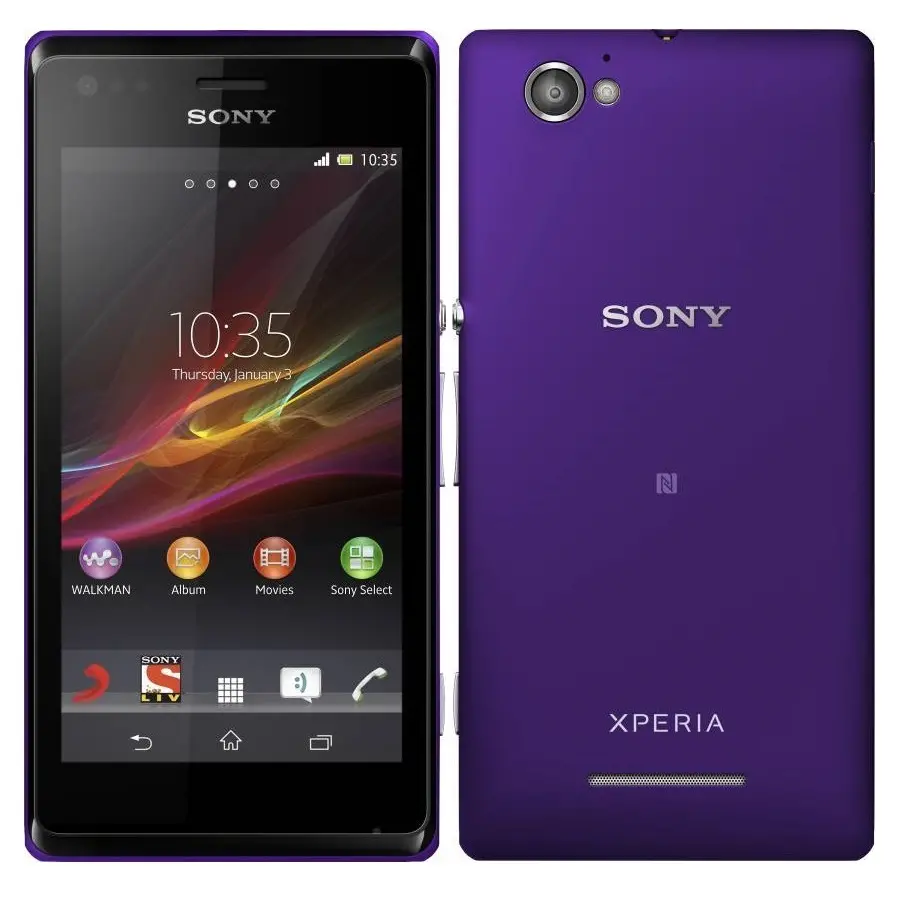
We are currently awaiting the official press release from Sony regarding the launch date and full technical specifications of the Xperia 1 VIII. Once the device is officially announced, we will provide a comprehensive review of its performance and hardware capabilities.
Do you believe the headphone jack still has a place in modern flagship smartphones, or is it time for the industry to move entirely to wireless? Share your thoughts in the comments below.
Keep reading