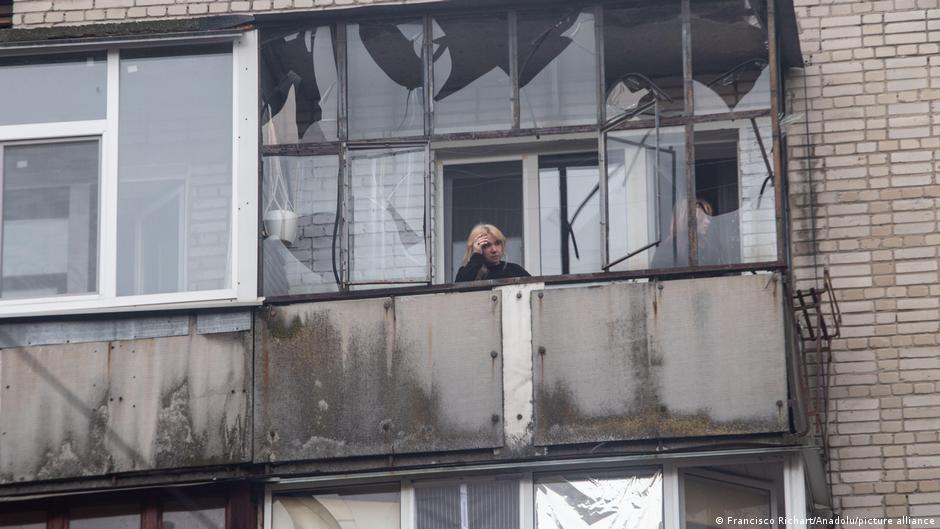
Russia has launched a massive aerial assault across Ukraine, deploying a combination of ballistic missiles and hundreds of unmanned aerial vehicles (UAVs) to strike critical infrastructure and urban centers. Preliminary reports indicate a coordinated effort to overwhelm Ukrainian air defenses, targeting multiple regions simultaneously.
According to reports, the strike involved the deployment of 324 drones and three “Iskander-M” ballistic missiles. The scale of the UAV deployment suggests a strategic attempt to saturate defensive systems, with some of the drones reportedly launched from positions within Crimea.
The attack has resulted in significant damage to administrative and industrial sites. In Dnipro, an administrative building was hit, while strikes in the Odesa region targeted port facilities. In Zaporizhzhia, an industrial enterprise was struck, with reports indicating at least one woman was killed in the resulting impact.
Scale of the Aerial Assault
The coordination of the strike highlights a continued Russian reliance on high-volume drone swarms to mask the trajectory of high-precision ballistic weaponry. While the exact number of intercepted targets has not been fully detailed by official channels, the use of 324 drones marks one of the most intensive single-event UAV deployments reported in recent weeks.
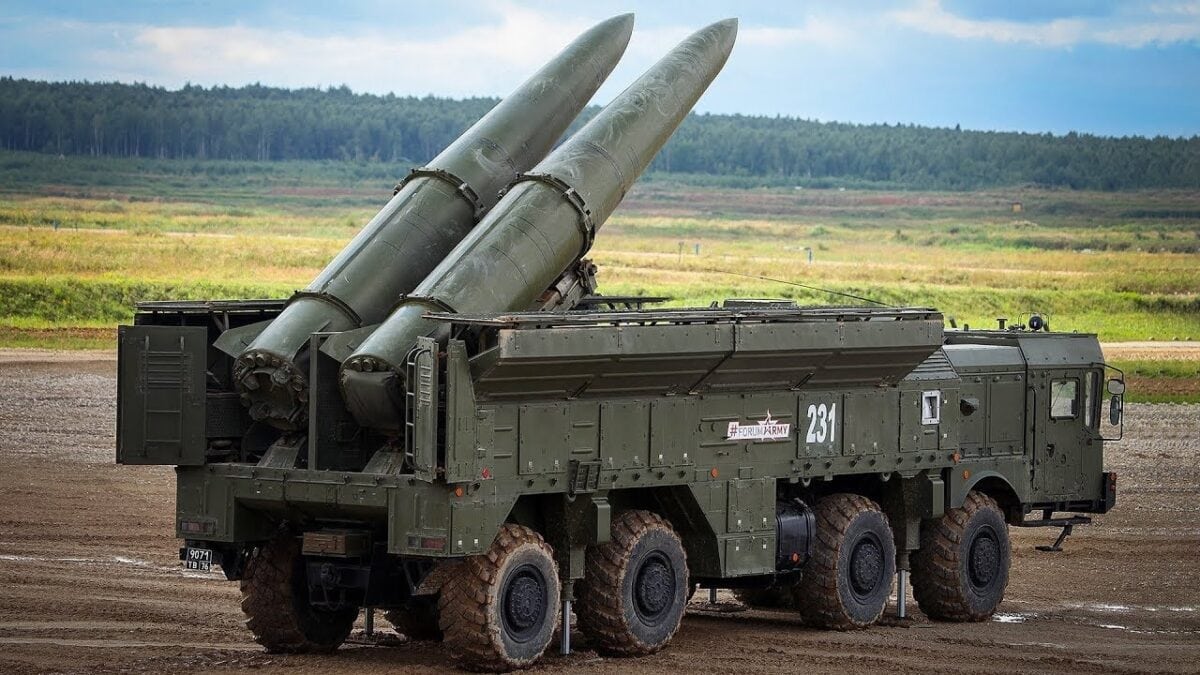
The inclusion of three “Iskander-M” missiles—known for their high speed and ability to evade certain detection systems—indicates a dual-track strategy: using low-cost drones to exhaust ammunition and attention, followed by high-impact ballistic strikes on hardened targets.
Urban Centers and Infrastructure Under Fire
The geographic spread of the attack underscores the vulnerability of Ukraine’s logistical and administrative hubs. Beyond the primary hits in Dnipro and Zaporizhzhia, strikes were too reported in Cherkasy and Sumy, extending the reach of the assault across the central and eastern regions.

The targeting of the Odesa port is particularly significant given the region’s role in Ukraine’s maritime grain exports and overall economic stability. Similarly, the strike on an enterprise in Zaporizhzhia emphasizes the ongoing risk to industrial capacity in the frontline provinces.
Broader Strategic Context and Recent Exchanges
This escalation comes during a volatile period in the conflict, currently marked as the 1511th day of the war. The intensity of the aerial campaign follows a brief window of diplomatic movement regarding the treatment of captives.
On April 11, 2026, a significant prisoner exchange took place. The Russian Ministry of Defense confirmed that 175 Russian servicemen returned from Ukrainian captivity, with 175 Ukrainian soldiers transferred in exchange. Seven civilians from the Kursk region, described as the final hostages captured during the Ukrainian incursion into that region, were returned to Russia.
The timing of the current drone and missile strikes is also noteworthy following a short-lived “Easter truce” declared by Vladimir Putin, which was scheduled to run until the end of the day on April 12. The resumption of large-scale strikes by April 15 suggests a return to high-intensity operations immediately following the cessation of the temporary ceasefire.
Key Details of the Recent Escalation
| Event | Details | Status/Date |
|---|---|---|
| Aerial Assault | 324 drones, 3 Iskander-M missiles | Reported April 15 |
| Prisoner Exchange | 175 soldiers each side; 7 civilians | April 11, 2026 |
| Easter Truce | Short-term ceasefire | Ended April 12, 2026 |
| War Duration | 1,511 days | As of April 15, 2026 |
As Ukraine continues to manage the aftermath of the strikes in Dnipro and Odesa, international observers are monitoring whether this surge in UAV activity signals a broader shift in Russian tactical deployment or a localized effort to degrade Ukrainian infrastructure before the onset of new seasonal offensive operations.

Official updates regarding the total casualty count and the full extent of the structural damage are expected as emergency services complete their assessments in the affected cities.
World Today Journal will continue to monitor official reports from the Ukrainian Air Force and the Ministry of Defense for further verification of intercepted targets.
We invite our readers to share their perspectives on the escalating use of drone swarms in modern conflict in the comments section below.
Keep reading