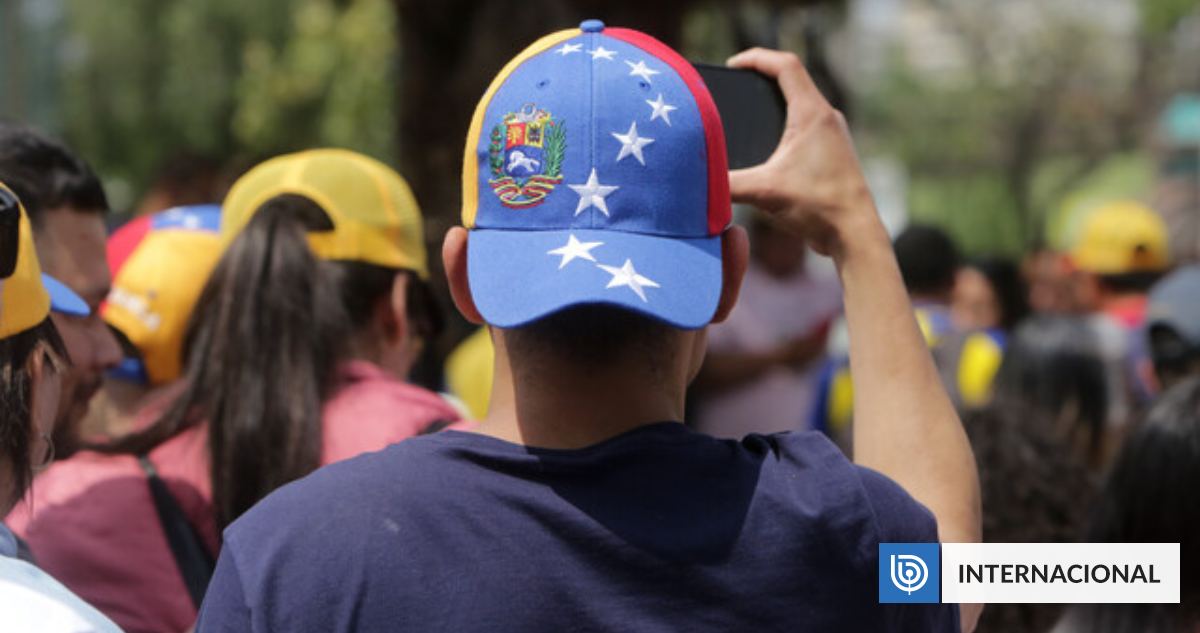
A significant majority of Venezuelan refugees living across Latin America do not currently plan to return to their home country, according to a new study by the United Nations High Commissioner for Refugees (UNHCR). The findings underscore the deep-seated socioeconomic and security concerns that continue to drive one of the largest displacement crises in the world.
The survey, titled “Intenciones de regresar a Venezuela. Marzo 2026,” reveals that only 35% of Venezuelan migrants and refugees in Latin American countries intend to return home. Although this figure represents a meaningful minority, the vast majority of the displaced population remains hesitant to repatriate despite potential improvements in domestic conditions.
Of those who expressed a desire to return, the urgency varies. Approximately 9% of those surveyed plan to return within less than a year, while 10% are currently considering the option and 16% expressed a general preference for repatriation. Matthew Saltmarsh, the spokesperson for UNHCR, noted during a press conference that while the percentage may seem limited, it could translate into a high number of individuals given the millions of Venezuelans currently hosted across the region.
Una encuesta de ACNUR revela que un tercio de los venezolanos desplazados en América Latina y el Caribe podría plantearse la opción del retorno. 🇻🇪
También pone de relieve los complejos factores que influyen en las intenciones de retorno. https://t.co/Ci34yIwg79&mdash. ACNUR, la Agencia de la ONU para los Refugiados (@ACNUR_es) April 14, 2026
The Push and Pull of Repatriation
The motivations for those considering a return to Venezuela are primarily personal. Family reunification stands as the leading driver for short-to-medium-term repatriation. Some respondents cited increasing pressures in their host countries, often stemming from their own socioeconomic difficulties while living abroad.
The survey sampled 1,288 Venezuelan citizens across six key host nations: Colombia, Peru, Ecuador, Brazil, Chile, and Guatemala. For those who have already made the decision to return, the outcome appears stable; UNHCR data indicates that 80% of refugees who have already repatriated wish to remain in Venezuela.
However, the barriers to return remain formidable. The primary deterrents are the fear of insecurity and the lack of stable employment or income, with 22% of respondents citing each of these factors as the main reason for staying abroad.
Economic Fears and the Information Gap
Beyond physical safety and employment, a critical lack of reliable information is hindering the decision-making process for displaced Venezuelans. According to the report, 60% of those surveyed stated they do not have sufficient reliable information regarding their legal status should they choose to return to Venezuela or their current country of residence.
UNHCR has emphasized that any move toward repatriation must be “voluntary, safe, and dignified.” The agency maintains that refugees require comprehensive information on the legal and practical implications of their decision to ensure that returns are not forced by desperation but are based on sustainable conditions.
Key Takeaways from the UNHCR Study
- Return Intentions: Only 35% of displaced Venezuelans in Latin America plan to return home.
- Short-term Outlook: 9% of the surveyed population expects to return in under one year.
- Primary Deterrents: Insecurity and lack of income are the top concerns, cited by 22% of respondents each.
- Information Deficit: 60% of refugees lack clear information on the legal consequences of returning.
- Returnee Stability: 80% of those who have already returned to Venezuela intend to stay.
A Critical Funding Shortfall for Humanitarian Aid
The reluctance to return is set against a backdrop of immense humanitarian require. As of November 2025, Latin America and the Caribbean host approximately 6.9 million Venezuelan refugees, with 4 million of them requiring urgent humanitarian assistance.
Providing this support is becoming increasingly difficult due to a widening gap in international funding. For 2026, UNHCR requested 328.2 million dollars to assist displaced persons both inside and outside of Venezuela. To date, however, donors have provided only 12% of those requested funds.
This funding shortfall threatens the ability of international agencies to provide the very legal guidance and socioeconomic support necessary to create voluntary returns a viable option for the millions currently in limbo.
The international community continues to monitor the situation as regional dynamics shift. The next critical focus for UNHCR will be the mobilization of the remaining 88% of the 2026 funding requirement to ensure that the millions of refugees in the region receive the necessary aid to survive and potentially reintegrate.
World Today Journal encourages readers to share this report and join the conversation on global displacement in the comments below.
Related reading
- London’s Hyde Park Shows Unusual Brown Areas Amid Summer Heat
- Will Anthony Fauci Face Prosecution? Senate Contempt, Phone Evidence, and Legal Challenges
- Albuquerque Public Schools Students Return to Class with New Goals for Safety and Academics (news-usa.today)
- Carabinieri Return Recovered Funds to Lawful Owner in Forlì (archyde.com)