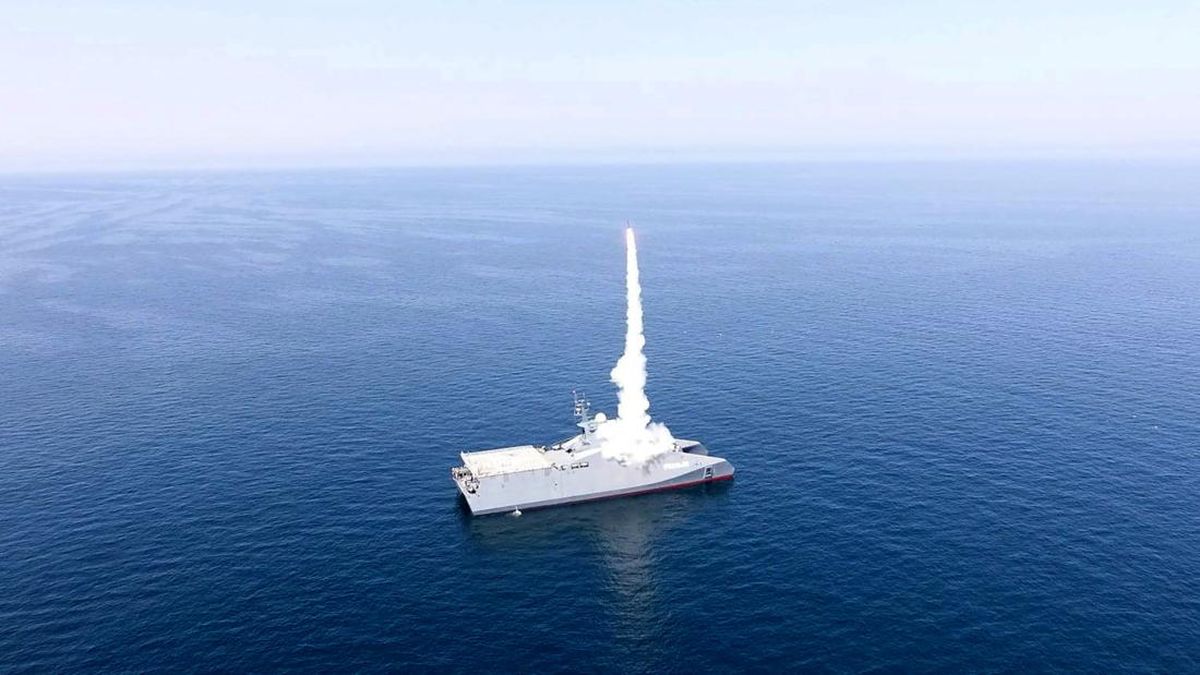
The fragile stability of the Middle East is currently balancing on a knife-edge as the United States and China clash over allegations of China Iran weapons transfers. Whereas a ceasefire has paused active hostilities between Washington and Tehran, fresh intelligence suggests that Beijing may be undermining the peace by preparing to supply Iran with advanced military hardware.
At the center of the dispute are reports that China is preparing to deliver shoulder-fired anti-air missile systems, known as MANPADS, to Iran. According to US intelligence assessments reported on April 11, 2026, these shipments are intended to arrive within a few weeks via CNN. The move is viewed as a provocative step that could jeopardize a ceasefire agreement that Beijing itself helped broker earlier this week.
The timing of these alleged transfers is particularly sensitive. President Donald Trump is scheduled to visit China early next month for high-level talks with leader Xi Jinping via CNN. The tension highlights a complex geopolitical game where military replenishment and diplomatic maneuvering occur simultaneously, leaving the region vulnerable to a sudden return to conflict.
The Intelligence: MANPADS and Masked Shipments
The primary concern for US military planners is the asymmetric threat posed by MANPADS. These portable air defense systems are designed to target low-flying aircraft, a capability that proved dangerous to US military assets during the five-week war that preceded the current ceasefire via CNN. If the ceasefire collapses, the introduction of new Chinese systems could significantly increase the risk to US personnel in the region.
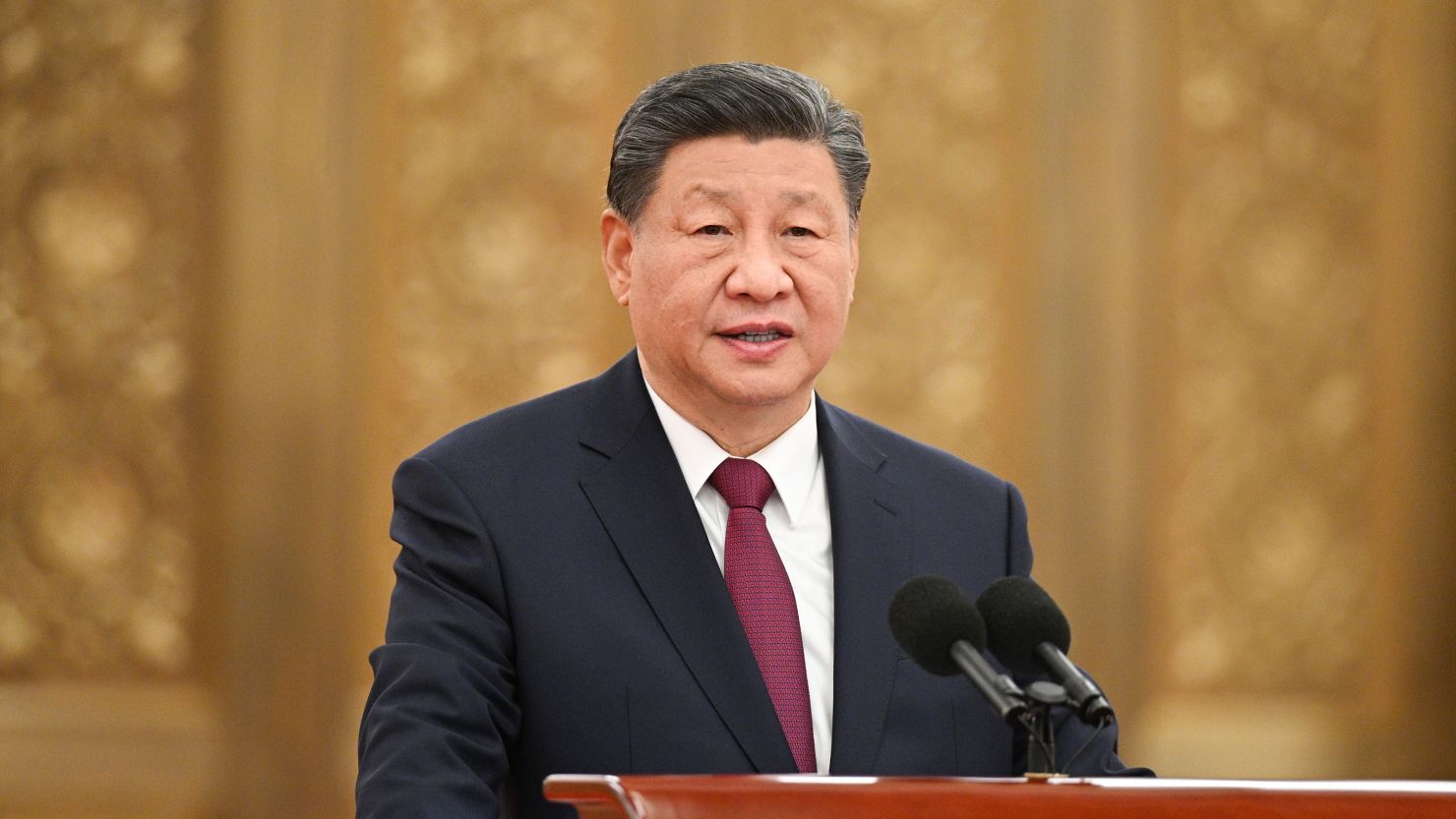
intelligence indicates that Beijing is not shipping these weapons directly. Sources suggest that China is working to route the shipments through third countries to mask the true origin of the hardware via CNN. This tactic of obfuscation allows Beijing to maintain a veneer of neutrality and diplomatic cooperation while providing Tehran with the means to replenish its arsenal.
President Trump has responded to these reports with blunt warnings. Speaking as he departed the White House for Florida, Trump stated that if China proceeds with the transfers, “China will have big problems, OK?” via CNN. While he did not confirm whether he has discussed the specific intelligence with President Xi, the rhetoric underscores the potential for a severe diplomatic or economic fallout between the two superpowers.
China’s Denial and the ‘Dual-Use’ Strategy
Beijing has categorically denied the US intelligence claims. A spokesperson for the Chinese Embassy in Washington asserted that “China has never provided weapons to any party to the conflict” and described the information as untrue via CNN. China maintains that it acts as a responsible major power and fulfills its international obligations.
However, the reality of China’s support for Iran is often more nuanced than direct weapons sales. Reports from April 15, 2026, indicate that in recent years, China has supported Iran through the provision of dual-use parts—components that have both civilian and military applications via The New York Times. These transfers allow Iran to maintain and upgrade its military infrastructure without triggering the same level of international alarm as the delivery of completed missile systems.
This strategy of “dual-use” support creates a grey zone in international law and diplomacy. It allows Beijing to deny direct arms shipments while ensuring that its strategic partner in Tehran remains capable of challenging US influence in the Middle East.
Diplomatic Tug-of-War and Regional Stability
Despite the friction over weapons, there are simultaneous efforts to lower the temperature. On April 15, 2026, a Pakistani delegation arrived in Tehran in a move intended to ease tensions and facilitate further talks between the US and Iran via AP News. Pakistan’s role as a mediator suggests that regional powers are anxious to prevent a full-scale return to war.
Adding to the confusion, President Trump claimed on April 15, 2026, that China has actually agreed not to provide weapons to Iran via AP News. This statement appears to contradict the ongoing intelligence reports of imminent MANPADS deliveries, highlighting a possible gap between public diplomatic claims and the reality of clandestine military logistics.
Key Dynamics of the US-China-Iran Triangle
| Stakeholder | Public Position | Reported/Intelligence Action |
|---|---|---|
| United States | Demanding no weapons transfers; warning of “big problems.” | Monitoring shipments of MANPADS via third countries. |
| China | Denies all weapons transfers; claims to be a responsible power. | Allegedly preparing MANPADS shipments; providing dual-use parts. |
| Iran | Observing ceasefire. | Using ceasefire period to replenish weapons systems. |
What This Means for Global Security
The situation is a textbook example of “proxy competition,” where the US and China vie for influence in a third country’s conflict. For the global community, the stakes are high. A failure of the ceasefire would not only reignite a regional war but could potentially draw the US and China into a direct confrontation, either economically or militarily.
The use of third-country routing for weapons shipments also underscores a growing trend in modern warfare: the erosion of transparency. When weapons are masked, attribution becomes tricky, and the risk of miscalculation increases. If a US aircraft were to be downed by a Chinese-made MANPADS, the diplomatic fallout would be immediate and severe, regardless of whether Beijing officially denied the transfer.
For now, the world looks toward the upcoming summit between President Trump and President Xi. This meeting will likely be the ultimate test of whether the agreement to halt China Iran weapons transfers is a genuine commitment or a temporary diplomatic shield.
The next critical checkpoint will be the official commencement of the Trump-Xi talks early next month, where the issue of arms shipments to Tehran is expected to be a primary agenda item.
Do you believe diplomatic summits can effectively stop clandestine weapons transfers, or is the strategic bond between China and Iran too strong to break? Share your thoughts in the comments below.
Related reading