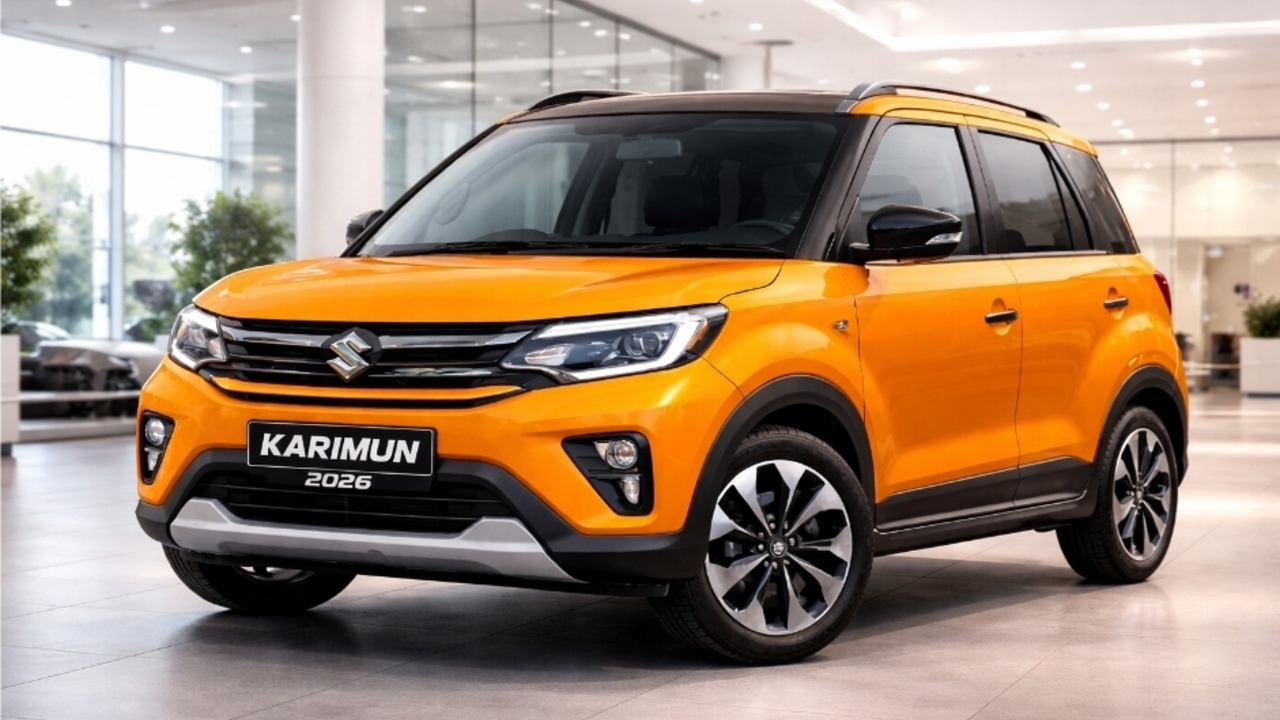
The automotive landscape in Southeast Asia is witnessing a renewed interest in ultra-compact efficiency as reports surface regarding the Suzuki Karimun 2026. Designed to navigate the dense congestion of urban centers although maintaining a minimal financial footprint, this anticipated city car aims to solidify its position as a primary tool for daily urban mobility.
For years, the “box-style” design has been a hallmark of the Karimun line, prioritizing interior volume over aerodynamic flair. The latest iterations of this concept focus on maximizing fuel economy and affordability, targeting a demographic of first-time car buyers and urban commuters who require a vehicle that is as agile in traffic as it is light on the wallet.
While official technical specifications from Suzuki remain limited, industry chatter and regional reports suggest a strategic push toward the Low Cost Green Car (LCGC) segment. This move is designed to challenge the current dominance of existing entry-level models by offering a blend of modern styling and the legendary fuel efficiency associated with the Wagon R platform, upon which the Karimun is based.
The Evolution of the ‘Box’ Design: From Classic to Modern
The Suzuki Karimun has long been recognized for its distinctive cubic silhouette, a design choice that maximizes headroom and cargo flexibility within a tiny footprint. This “evolution of two generations” has seen the vehicle transition from a simple utilitarian tool to a more stylish urban accessory. The 2026 trajectory suggests a further refinement, blending the practicality of the original “si kotak” (the box) with contemporary aesthetics to appeal to a younger, tech-savvy audience.
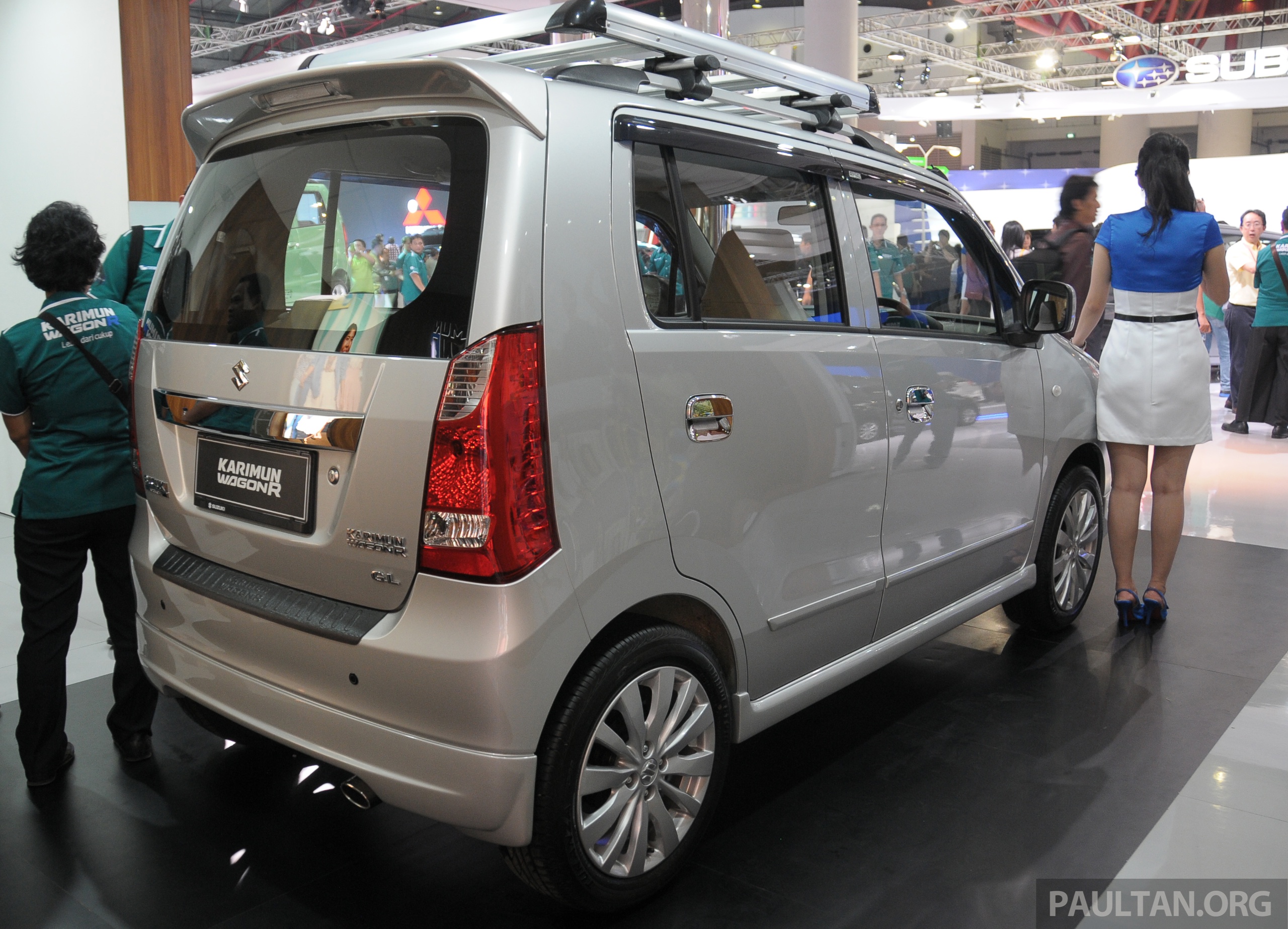
Central to this evolution is the integration of the Wagon R’s global success. In Indonesia, the Suzuki Karimun Wagon R has previously been unveiled, showcasing a layout that prioritizes a “tall-boy” design. This allows for an upright seating position, which significantly improves visibility in tight city streets and provides a surprising amount of legroom for passengers.
The 2026 model is expected to lean further into this “modern and stylish” direction. By updating the exterior trim and interior materials, Suzuki is attempting to move the Karimun away from being perceived merely as a budget vehicle and instead positioning it as a smart, intentional choice for the modern city dweller.
Economic Accessibility and Market Positioning
One of the most critical factors for the success of the Suzuki Karimun 2026 will be its pricing strategy. In a market where cost-of-living pressures are mounting, a vehicle that remains “irit di kantong” (easy on the pocket) is highly competitive. Reports indicate a potential pricing structure that could start as low as Rp130 million, with other estimates suggesting a starting point around Rp150 million.
This pricing puts the vehicle in direct competition with other LCGC models. By keeping the entry price low, Suzuki targets the “entry-level” segment of the market—individuals who are transitioning from motorcycles to cars or compact families needing a secondary vehicle for short-distance errands. The goal is to provide a “super fuel-efficient” (super irit BBM) alternative that reduces the long-term cost of ownership through low fuel consumption and affordable maintenance.
Key Market Drivers for the 2026 Model
- Urban Congestion: The small turning radius and compact dimensions make it ideal for “lincah di kota” (agility in the city).
- Fuel Price Volatility: A focus on maximum fuel efficiency makes the car a hedge against rising petrol costs.
- LCGC Dominance: By optimizing the price-to-feature ratio, Suzuki aims to challenge the current leaders in the low-cost green car category.
Technical Expectations: Efficiency and Agility
While a full technical dossier has not been released, the focus for the 2026 model is centered on the “dapur pacu” (engine/powertrain). The objective is to maintain a balance between enough power to handle urban stop-and-go traffic and the ability to maintain high fuel economy ratings.
The vehicle’s agility is not just a product of its engine, but its overall weight and dimensions. The “tall-boy” architecture allows for a shorter wheelbase, which is the primary reason for its maneuverability in narrow alleys and crowded parking lots. This makes the Karimun an “andalan mobilitas harian” (daily mobility mainstay) for those who find larger sedans or SUVs cumbersome in metropolitan environments.
the interior is expected to see upgrades in “sophistication” (lebih canggih). This likely includes improved infotainment integration and a more ergonomic dashboard, ensuring that while the car remains affordable, the user experience feels current. The focus is on “practical luxury”—providing the essential modern conveniences without adding unnecessary weight or cost that would compromise the vehicle’s core mission of efficiency.
Comparative Outlook: The Karimun vs. The City Landscape
To understand the impact of the Suzuki Karimun 2026, one must look at the broader trend of “micro-mobility” in Asian cities. There is a growing shift away from oversized vehicles toward “right-sized” transport. The Karimun fits this trend perfectly by offering a “reincarnation” of the classic city car, updated for a generation that values sustainability and economic prudence.
| Feature | Traditional City Car | Suzuki Karimun 2026 Focus |
|---|---|---|
| Design Priority | Aerodynamics/Style | Interior Volume/Space Efficiency |
| Cost Focus | Resale Value | Low Initial Price & Fuel Economy |
| Driving Profile | Highway Comfort | Urban Agility & Easy Parking |
| Target User | General Commuter | Budget-Conscious Urbanite |
The strategic leverage of the Wagon R platform allows Suzuki to leverage global economies of scale, meaning they can offer more features and better reliability at a lower price point than a ground-up new design would allow. This “global-local” strategy is likely why the vehicle is being positioned as a “Raja Irit” (King of Efficiency).
What This Means for the Global Urban Consumer
The emergence of the Suzuki Karimun 2026 is more than just a product launch; it is a reflection of a wider economic shift. As cities develop into more crowded and fuel costs more unpredictable, the demand for “minimalist” transport increases. For the consumer, this means more options for vehicles that do not require a massive financial commitment but still provide the safety and comfort of a four-wheeled vehicle.
For the automotive industry, it signals a continued viability for the LCGC segment. If Suzuki can successfully launch a vehicle that is both “modern and stylish” and “super fuel-efficient,” it may force other manufacturers to rethink their entry-level offerings, potentially leading to a new wave of affordable, high-efficiency city cars across the region.
The impact extends to urban planning as well. Smaller cars reduce the footprint of parking and alleviate some of the pressure on city infrastructure. By encouraging the shift toward smaller, more efficient vehicles, Suzuki is aligning its business goals with the broader urban need for sustainable and manageable growth.
As we look toward the official rollout, the industry will be watching to see if the rumored pricing of Rp130 million to Rp150 million holds true. If Suzuki manages to hit this price point without sacrificing the “sophistication” promised in early reports, the Karimun 2026 could indeed become the new standard for daily urban mobility.
The next confirmed milestone for the vehicle will be the official announcement of technical specifications and the formal pricing list from Suzuki’s regional headquarters. We will continue to monitor official filings and press releases for these details.
Do you reckon the “box-style” car is the best solution for modern city traffic, or is the era of the micro-car over? Share your thoughts in the comments below and share this article with your fellow urban commuters.
Related reading