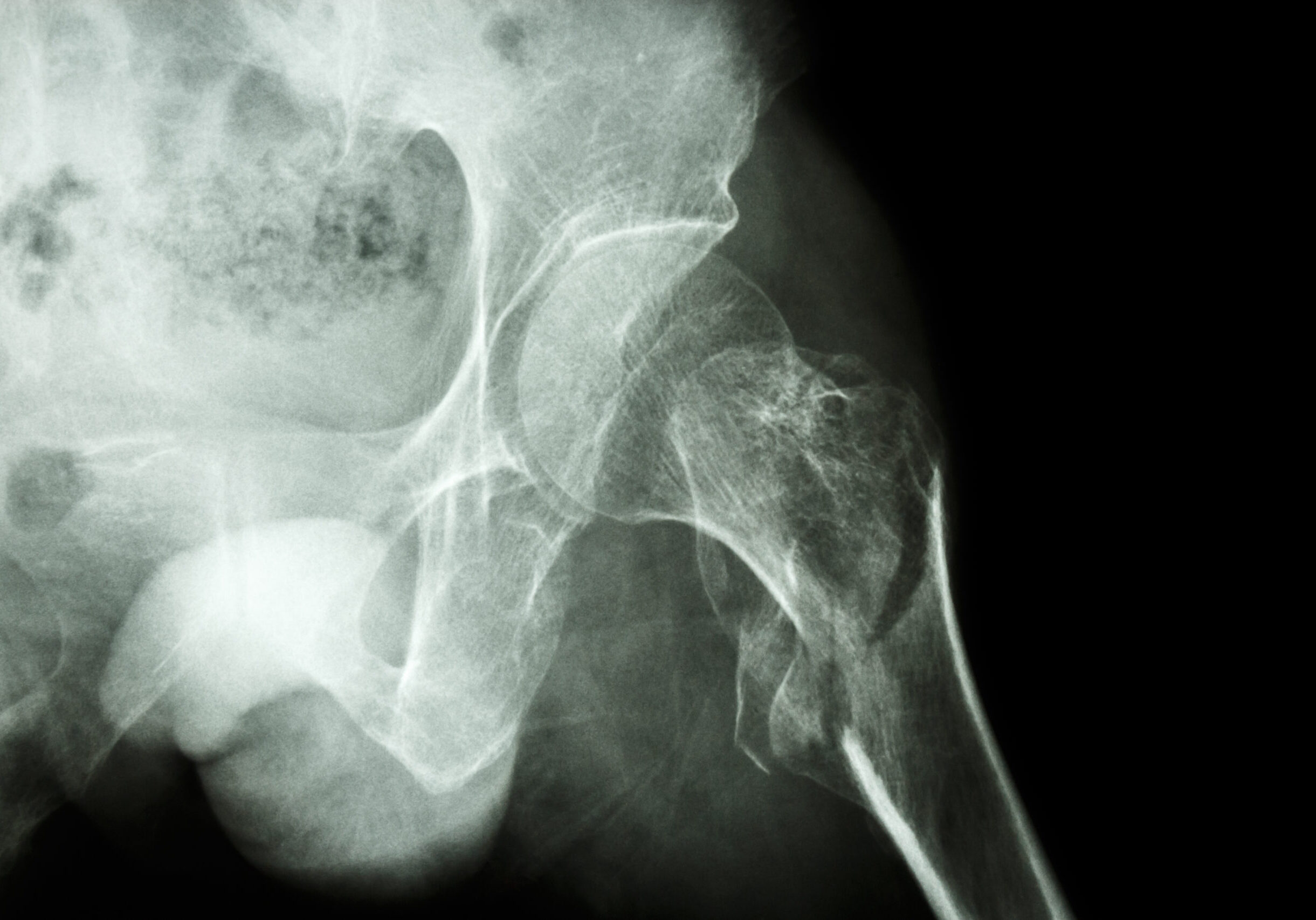
In a challenging landscape for orthopedic care, Keimyung University Gyeongju Dongsan Hospital has reported a series of successful hip fracture surgeries on super-elderly patients, including individuals over the age of 100. These procedures challenge the long-held medical perception that advanced age is an absolute barrier to surgical intervention, demonstrating instead that patient-specific health status is the critical determinant for success.
The hospital recently announced the successful treatment of three patients aged 102, 92, and 90, all of whom suffered from femoral hip fractures. These outcomes are particularly significant given the current medical climate in South Korea, where a shortage of orthopedic specialists has created gaps in emergency surgical availability at several university hospitals.
According to data from the Korean Orthopaedic Association, the number of patients with hip fractures increased from approximately 30,000 in 2014 to 40,000 by 2023 (via KBSM). This rising demand coincides with a precarious staffing situation; between 2024 and 2025, 133 out of 873 orthopedic guiding specialists resigned, representing a national resignation rate of 15.2%, with the rate in regional areas climbing even higher to 19.1% (via KBSM).
Multidisciplinary Approach to Super-Elderly Surgery
The success of these high-risk procedures at Gyeongju Dongsan Hospital was attributed to a “multidisciplinary cooperation” model. This approach integrated the expertise of the orthopedic department, internal medicine, and the department of anesthesiology and pain medicine to mitigate the risks associated with super-elderly patients.
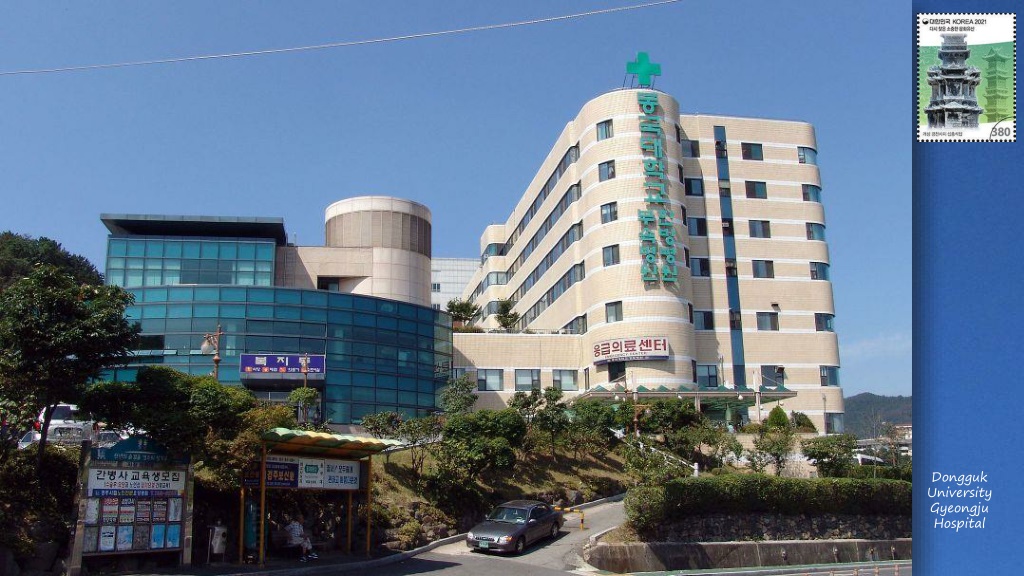
The process began with rigorous preliminary screenings conducted by the internal medicine team to meticulously verify the health status of the patients. During the surgical phase, the anesthesiology team utilized spinal anesthesia rather than general anesthesia to minimize the burden on the patients’ cardiopulmonary systems, which is often a primary concern in patients over 90.
Within the orthopedic department, surgeons implemented precise internal fixation techniques using metal implants, specifically tailored to account for the bone density loss associated with osteoporosis. This combination of pre-operative screening, targeted anesthesia, and specialized surgical hardware allowed the team to maintain stability and safety throughout the procedures.
Redefining Age-Based Surgical Criteria
The clinical outcomes at Gyeongju Dongsan Hospital suggest a shift in how medical professionals evaluate surgical candidates in the geriatric population. Dr. Choi Yo-han, the head of the orthopedic department who performed the surgeries, emphasized that chronological age should not be the primary metric for deciding whether to operate.
According to Dr. Choi, the decision to proceed with surgery should be based on the patient’s overall health condition and their will to recover. He noted that if appropriate conditions are met, even super-elderly patients can undergo surgery to prevent complications and significantly improve their quality of life (via Nate News).
This perspective is vital for public health as the global population ages. Hip fractures in the elderly often lead to prolonged immobility, which can trigger a cascade of secondary complications such as pneumonia, pressure ulcers, and pulmonary embolisms. Rapid surgical intervention allows for earlier mobilization, which is the most effective way to reduce these risks.
Key Takeaways from the Gyeongju Dongsan Hospital Cases
- Patient Age: Successful surgeries were performed on patients aged 102, 92, and 90.
- Surgical Method: Precision metal internal fixation was used to address osteoporotic bone conditions.
- Risk Mitigation: Spinal anesthesia was employed to reduce cardiopulmonary stress.
- Decision Metric: Health status and recovery intent were prioritized over chronological age.
- Systemic Context: These successes occur despite a 19.1% resignation rate among regional orthopedic guiding specialists between 2024 and 2025.
The Crisis of Orthopedic Medical Gaps
While the success at Gyeongju Dongsan Hospital provides a blueprint for geriatric care, it highlights a broader systemic issue within the South Korean healthcare system. The “medical gap” in orthopedics has become a pressing concern as some university hospitals struggle to accept emergency surgeries due to a combination of staffing shortages and restrictions on operating room usage.
The disparity is most evident in regional areas. While the national resignation rate for orthopedic specialists was 15.2%, the higher rate of 19.1% in the provinces suggests that rural populations are more vulnerable to the loss of essential surgical services (via KBSM). This trend is particularly dangerous given that the demographic most prone to hip fractures—the elderly—is often concentrated in these regional areas.
The ability of Gyeongju Dongsan Hospital to maintain a functioning, multidisciplinary team capable of performing complex surgeries on centenarians serves as a counter-narrative to the prevailing trend of medical vacancies. It underscores the importance of maintaining specialized surgical capacity in regional centers to ensure that elderly patients do not have to travel long distances for emergency care, which can further complicate recovery.
As the medical community continues to navigate the shortage of specialists, the integration of internal medicine and anesthesiology into the orthopedic workflow remains the most viable strategy for expanding the safety profile of surgeries for the super-elderly. By shifting the focus from “how old is the patient” to “how stable is the patient,” hospitals can provide life-altering interventions to a population that was previously deemed “too old” for the operating table.
There are currently no further scheduled announcements regarding latest surgical protocols from the hospital, but the medical community continues to monitor the recovery progress of these patients as a benchmark for geriatric orthopedic care.
Do you have experience with geriatric care or thoughts on the regional healthcare gap? Share your perspectives in the comments below.
Worth a look