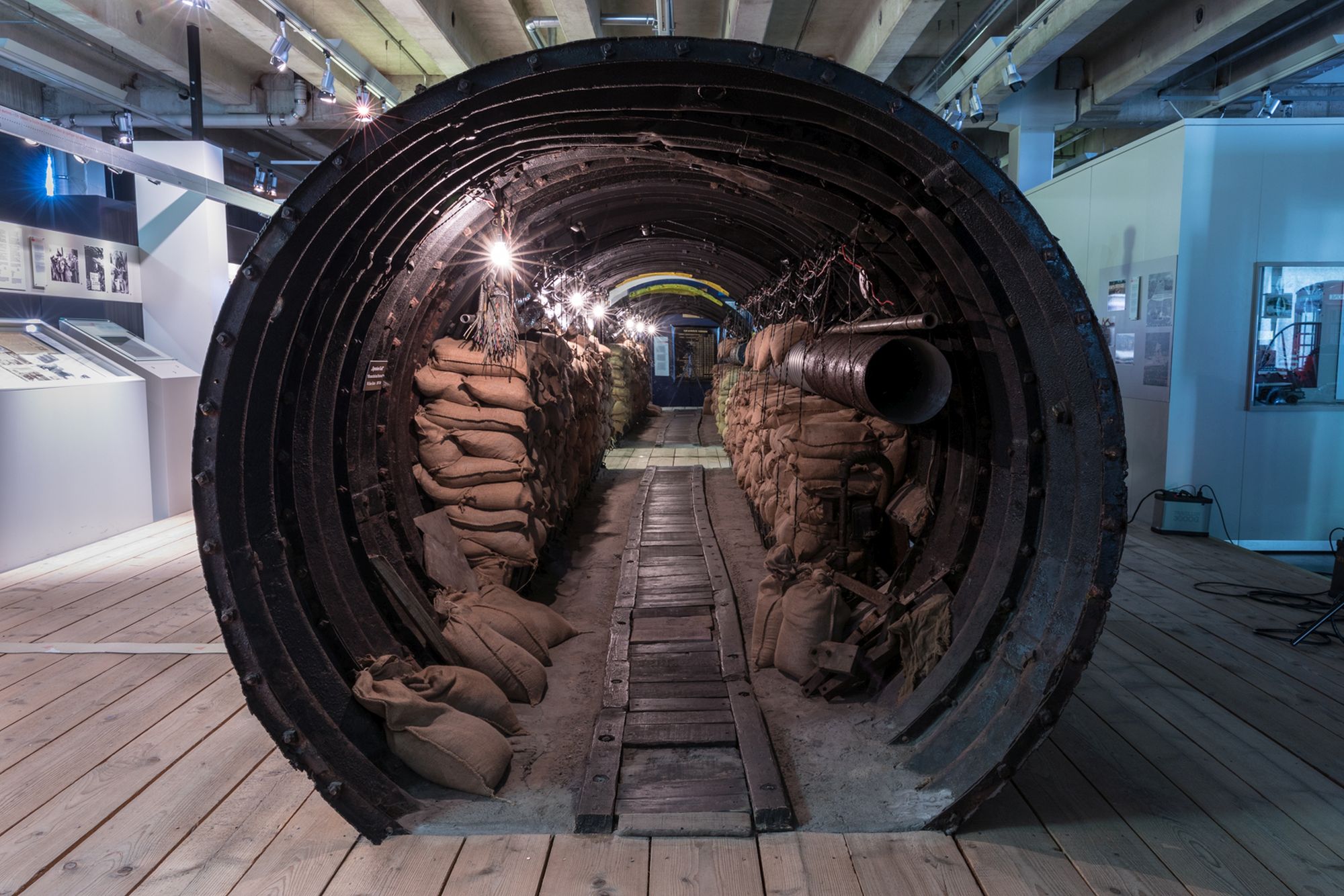
Berlin has long been regarded as the epicenter of Cold War espionage, a city where the lines between diplomacy and deception were perpetually blurred. Among the most audacious of these clandestine efforts was Operation Gold, a joint intelligence venture that saw the construction of a secret tunnel beneath the streets of a divided city to intercept Soviet communications.
The mission, also referred to by British intelligence as Operation Stopwatch, represents one of the most significant intelligence successes of the Cold War era. By tapping into the underground telephone lines of the East German postal service, the United States and the United Kingdom managed to eavesdrop on the headquarters of the Soviet Army, gaining a rare window into the military and diplomatic communications of the Eastern Bloc.
As Berlin reflects on its history as a “capital of espionage,” the legacy of the Berlin Tunnel serves as a reminder of the extreme lengths to which superpowers went to secure a strategic advantage. The operation was not merely a feat of engineering, but a high-stakes gamble involving deep-cover informants and the constant threat of exposure.
The scale of the project was immense, with the tunnel extending approximately 330 meters from West Berlin into the territory of the German Democratic Republic (GDR) according to local historical records. This clandestine artery allowed the West to monitor the flow of information between Moscow, Warsaw, and Bucharest, all of which passed through the Berlin communications hub.
The Strategic Planning of Operation Gold
The genesis of Operation Gold lay in the lessons learned from a previous successful eavesdropping mission known as Operation Silver in Vienna. Allen Dulles, the Director of Central Intelligence at the time, pushed for a similar operation to be replicated in the divided city of Berlin. While the planning was a collaborative effort between the CIA and the British Secret Intelligence Service (SIS), also known as MI6, the actual financing and staffing of the project were handled exclusively by the CIA as documented by Wikipedia.
Secrecy was the paramount concern for the CIA. Dulles issued strict orders that as little as possible of the project’s details be reduced to written form to prevent a paper trail that could be compromised. This commitment to extreme confidentiality means that much of the operational data remains classified to this day, limiting the amount of verifiable public information available regarding the tunnel’s internal workings.
The identification of the target was a critical phase of the planning. Reports indicate that Reinhard Gehlen, who later became the first president of the Bundesnachrichtendienst (BGS), was the first to alert Dulles to a vital telecommunications cable route. These cables were located at a shallow depth of less than two meters and ran in close proximity to the American sector of West Berlin according to Wikipedia.
To pinpoint the exact location of these cables, the intelligence services relied on a high-level informant within the East Berlin telecommunications office. This insider information confirmed that the cables were used for the telephone and telegraphic communications of Soviet military officials, security services, and diplomats, making them an invaluable target for intelligence gathering.
Engineering a Secret Ear Behind the Iron Curtain
The construction of the Berlin Tunnel was a daring operation in both scope and technical skill. In an era before reconnaissance satellites, landline wiretaps were essential for collecting intelligence on Soviet military capabilities. Because the Soviets had transitioned most of their military traffic from radio to landline telephones, Berlin became the perfect target, as it served as the central node connecting key European communication points according to the CIA.

The tunnel was designed to clandestinely intercept these communications without alerting the Soviet authorities. For a period, the operation succeeded in providing the West with a stream of encrypted and non-secure messages. This allowed the CIA and MI6 to monitor the influence and movements of Moscow across Europe during a period of intense geopolitical tension.
However, the operation was plagued by the presence of a mole. Despite the operational success of the tunnel, a double agent had compromised the mission, meaning the Soviets were likely aware of the intrusion even as the West continued to gather data. Historians still debate the extent to which the Soviets allowed the tunnel to operate to feed the West misinformation, though the mission is generally regarded as one of the greatest intelligence successes of the Cold War per CIA historical accounts.
The Discovery and Exposure
The secret of Operation Gold eventually came to light not through a failure of stealth, but through a coincidence of weather and maintenance. In the early morning hours of April 22, 1956, an exceptionally rainy spring had caused numerous short circuits within Berlin’s telephone network. This prompted a team of Soviet and East German soldiers to begin digging at a municipal cemetery in Altglienicke, East Berlin, to inspect for cable damage according to the CIA.
Upon reaching the buried telephone cable, the soldiers discovered that the line had been wiretapped and rerouted into a secret tunnel. This discovery brought the clandestine operation into the open, exposing the joint effort of the CIA and MI6 to the Soviet Union and the GDR government.
Timeline of Key Events
| Event | Details |
|---|---|
| Planning Phase | Based on Operation Silver (Vienna); pushed by Allen Dulles. |
| Construction | Joint CIA/SIS project; tunnel extended ~330m into the GDR. |
| Operational Focus | Interception of Soviet military and diplomatic landlines. |
| Discovery Date | April 22, 1956; found by Soviet/East German soldiers in Altglienicke. |
The aftermath of the discovery served as a significant propaganda victory for the Soviet bloc, which used the tunnel as evidence of Western aggression and espionage. For the West, however, the data gathered during the tunnel’s operational life provided critical insights into the Soviet communication infrastructure and military capabilities during the early years of the Cold War.
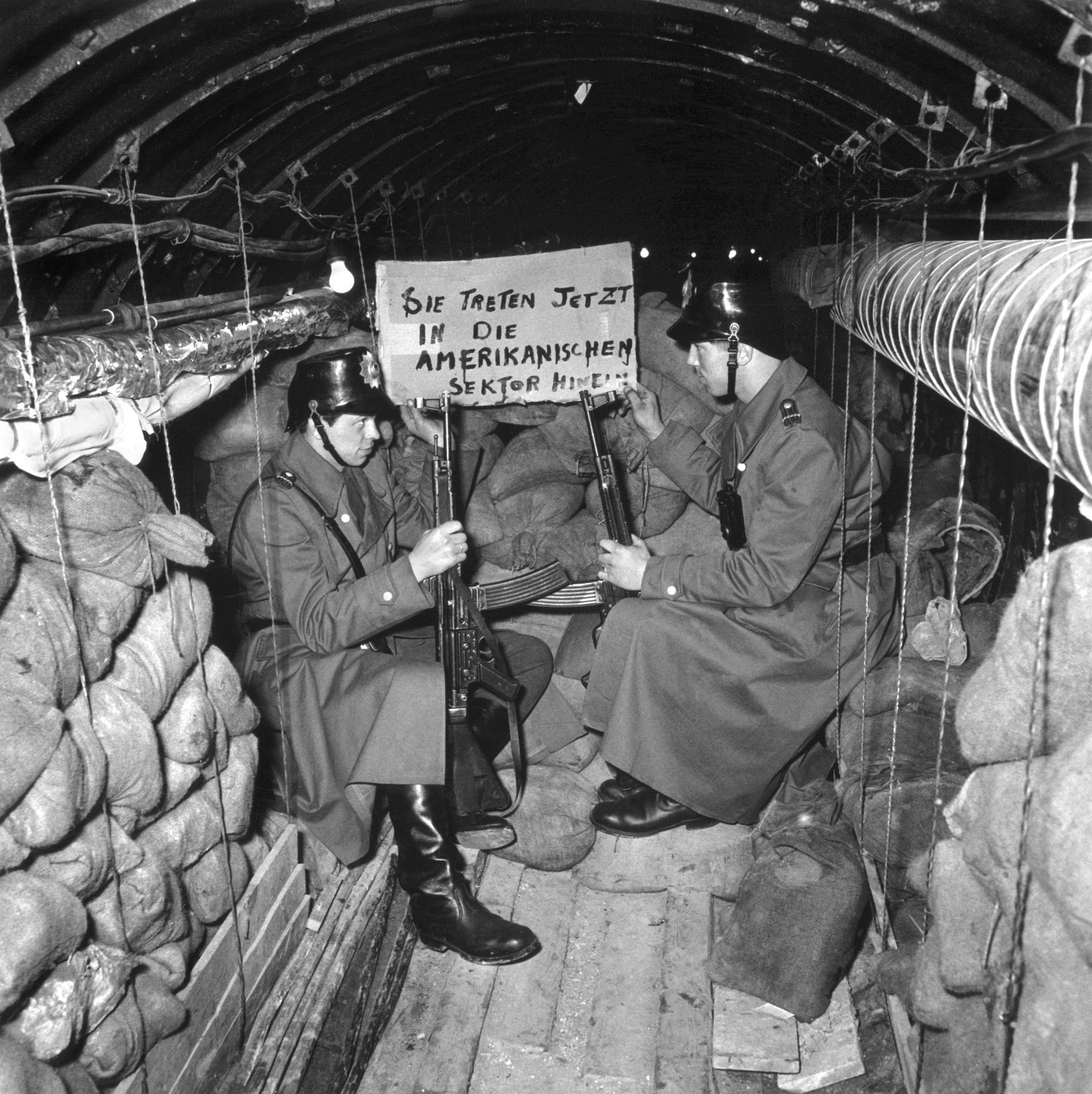
The legacy of Operation Gold continues to fascinate historians and the public alike, symbolizing the invisible war fought beneath the surface of the most divided city in the world. From the strategic insights of Allen Dulles to the accidental discovery in a muddy cemetery, the Berlin Tunnel remains a testament to the audacity of Cold War intelligence gathering.
For those interested in the ongoing historical preservation and exhibitions regarding Berlin’s espionage history, official city archives and museums in Berlin provide the most accurate records of the era.
We invite readers to share their thoughts or family histories related to the Cold War in the comments below.